Iran imposes gasoline rationing, raises prices

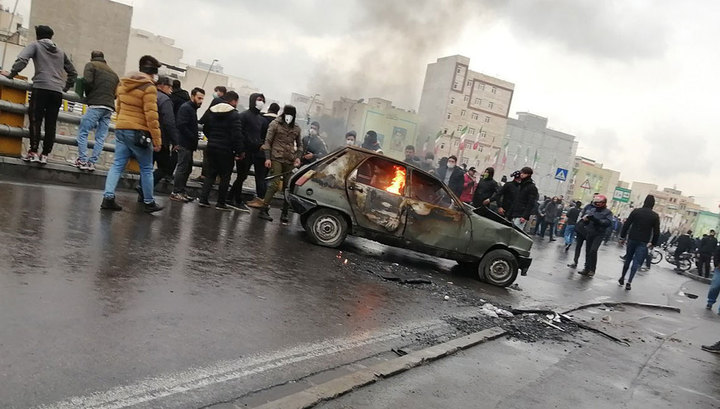
Protests erupted in Iran last Friday after the government unexpectedly announced it was rationing petrol and removing subsidies – sending prices up by 50%. The BBC says the measures are the latest sign of pressure on the Iranian economy after the re-imposition of US sanctions. At least one person has reportedly been killed and others […]

Protests erupted in Iran last Friday after the government unexpectedly announced it was rationing petrol and removing subsidies – sending prices up by 50%.

The BBC says the measures are the latest sign of pressure on the Iranian economy after the re-imposition of US sanctions.

At least one person has reportedly been killed and others injured in the violence.
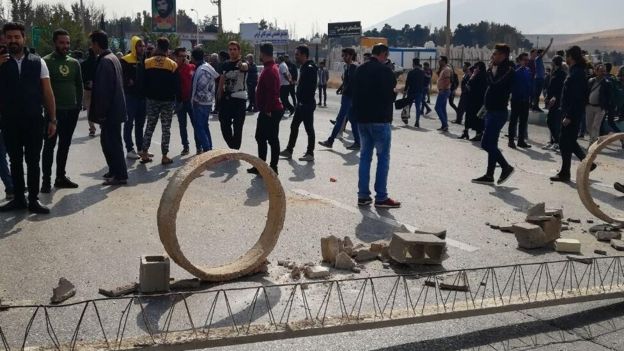
Meanwhile, Iranian Officials say the changes, which have seen prices rise by at least 50%, will free up money to help the poor. 

Iran's Interior Minister has warned security officials will step up action against protesters taking to the streets over a new petrol policy.

In a statement on Sunday, Ayatollah Khamenei acknowledged that some people were "no doubt worried" by the decision to increase fuel prices.  “But sabotage and arson is done by hooligans not our people,” Iran’s Supreme Leader said, quoted by state TV.

According to Iran’s Press TV, experts say rationing fuel in Iran would prevent tens of millions of liters of gasoline being wasted each day in a country, which still grapples with the economic impacts of a series of American sanctions.

“We have to defend the policy of gasoline price hike as it help eradicate poverty in the short run,” said Ali Sarzaeim, a professor of economy at Tehran’s university of Allameh Tabatabyi.

The economist said fuel price hike would enable the Iranian government to increase the amount of cash it hands out to the needy across the country.
Join us on social media!

Article translations:

Related Article

Tenisi
Оби зулол
Оби зулол

Most Read

Коммерсбонк Точикистон

Recent Articles

RZD announces the restoration of passenger services between Moscow and Dushanbe

Direct rail services between the capitals of Russia and Tajikistan were suspended in March 2020 due to the COVID-19 pandemic.

#AP30/Stories. “Selam! Heller nichek?” How Tatars live today in Sughd province

On the 30th anniversary of "Asia-Plus," we continue to publish reports that remain relevant even after years. This story was told in 2021, and since then, little has changed in the life of the Tatar community in Tajikistan.

15,000 cameras, drones, and robots: how technology monitors pilgrims in Mecca and Medina

During Hajj 2026, Mecca and Medina were under unprecedented digital control.

Another child in Dushanbe removed from family and sent to boarding school

The Ministry of Internal Affairs reports that the parents did not pay adequate attention to the child.

Emomali Rahmon instructs to address issues in seed production following criticism of the industry

Issues have been noted with certification, seed quality, and the material and technical base of the industry.

Water, climate, and a $130 billion deficit: seven key outcomes of the Water Conference in Dushanbe

At the forum, countries and international organizations discussed new mechanisms for cooperation, investments, and technologies that are essential for addressing the global water crisis.

Eskhata Bank introduces a new generation children’s wallet

"Eshkata Bank" has created a full-fledged digital platform that helps children aged 7 to 16 learn how to manage money.