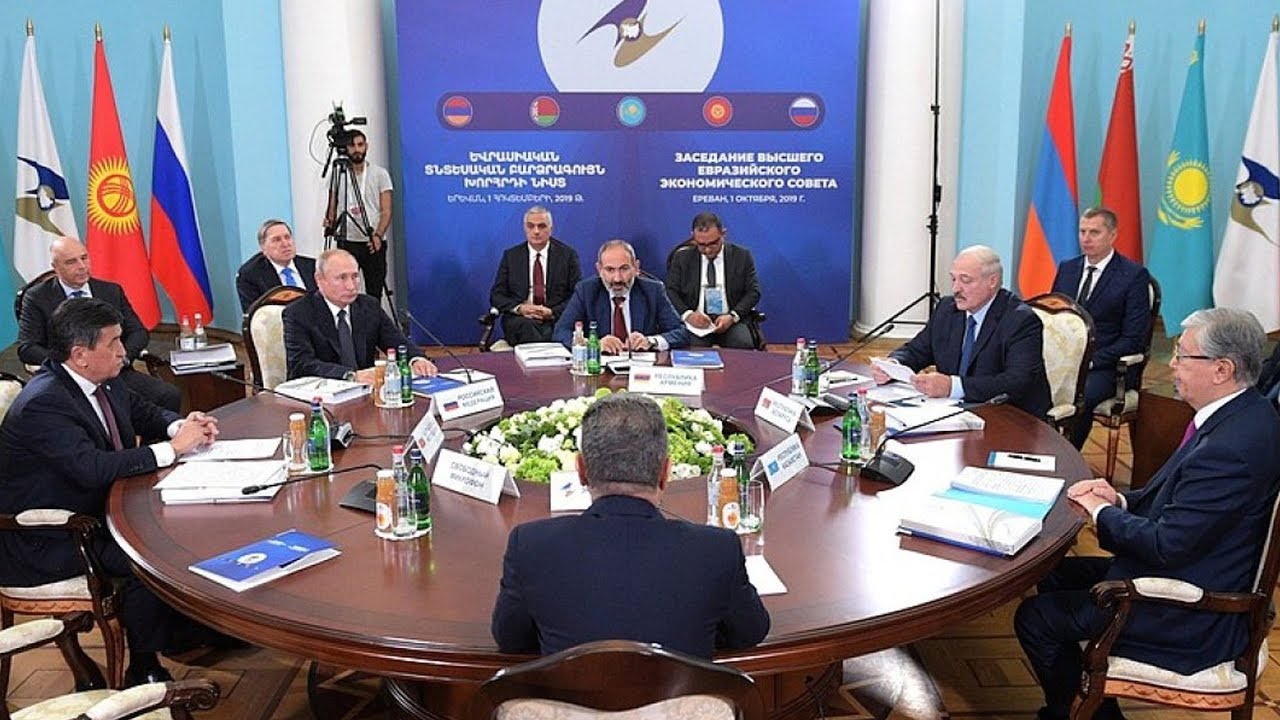
An agreement ensuring equal pension rights across the Eurasian Economic Union (EAEU) was signed by leaders of the EAEU nations in St Petersburg on December 20.
Under this agreement, seniority will be considered not only for the period of work in one of EAEU countries but also for the period of work in all EAEU member nations.
The agreement reportedly aims to remove an important obstacle and resolve a legitimate concern for both high and low skilled labor migrants.
Pensions may be paid by pension systems of the EAEU member countries, according to Ritm Yevrazii (Rhythm of Eurasia).
For this, pension bodies of the EAEU member nations will exchange information on all issues related to pension payment.
The agreement will take effects after ratification by the EAEU nations’ parliaments.
The unresolved issue of the payment of pension contributions and the export of pensions has been one of the main impediments to the free movement of labor within the EAEU space.
The Eurasian Economic Union (EAEU) is an economic union of states located primarily in northern Eurasia. A treaty aiming for the establishment of the EAEU was signed on May 29, 2014 by the leaders of Belarus, Kazakhstan and Russia, and came into force on January 1, 2015. Treaties aiming for Armenia's and Kyrgyzstan's accession to the Eurasian Economic Union were signed on October 9 and December 23, 2014, respectively. Armenia's accession treaty came into force on January 2, 2015. Kyrgyzstan's accession treaty came into effect on August 6, 2015.
The Eurasian Economic Union has an integrated single market of 183 million people and a gross domestic product of over 4 trillion U.S. dollars. The EEU introduces the free movement of goods, capital, services and people and provides for common transport, agriculture and energy policies, with provisions for a single currency and greater integration in the future.
The union operates through supranational and intergovernmental institutions. The Supreme Eurasian Economic Council is the “Supreme Body” of the Union, consisting of the Heads of the Member States. The other supranational institutions are the Eurasian Commission (the executive body), the Eurasian Intergovernmental Council (consisting of the Prime Ministers of member states) and the Court of the EEU (the judicial body).