EAEU countries ban export of some basic food products

The Eurasian Economic Union (EAEU) countries have decided to introduce a temporary ban on exporting some basic foods produces due to coronavirus spread. The Eurasian Economic Commission (EEC) Board reportedly decided on March 31 to introduce a temporary ban on exporting a number of essential food staples, including flour, cereals, millet, buckwheat, rice and some […]

The Eurasian Economic Union (EAEU) countries have decided to introduce a temporary ban on exporting some basic foods produces due to coronavirus spread.

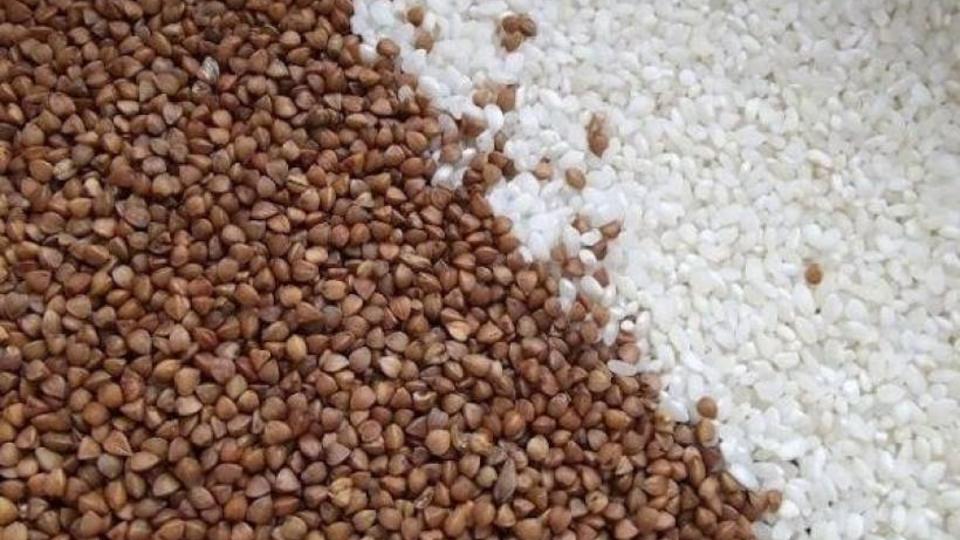
The Eurasian Economic Commission (EEC) Board reportedly decided on March 31 to introduce a temporary ban on exporting a number of essential food staples, including flour, cereals, millet, buckwheat, rice and some others.  

This measure has reportedly been taken so that EAEU member nations could provide their population with those essential food staples in the case of aggravation of the situation with coronavirus (COVID-19).  

Export of these food products is banned until June 30, 2020.  

The Eurasian Economic Commission (EEC) is the executive body of the Eurasian Economic Union responsible for implementing decisions, upholding the EAEU treaties and managing the day-to-day business of the Eurasian Economic Union. The main task of the Eurasian Economic Commission is to ensure the functioning and development of the EEU, and to prepare proposals for its further integration.

The Board of the Commission operates as a cabinet government, with 10 members of the Commission ("commissioners").  There are two members per member state.

Current members of the Eurasian Economic Union are Armenia, Belarus, Kazakhstan, Kyrgyzstan and Russia. 
Join us on social media!

Article translations:

Related Article

Оби зулол
Оби зулол
Tenisi

Most Read

Коммерсбонк Точикистон

Recent Articles

RZD announces the restoration of passenger services between Moscow and Dushanbe

Direct rail services between the capitals of Russia and Tajikistan were suspended in March 2020 due to the COVID-19 pandemic.

#AP30/Stories. “Selam! Heller nichek?” How Tatars live today in Sughd province

On the 30th anniversary of "Asia-Plus," we continue to publish reports that remain relevant even after years. This story was told in 2021, and since then, little has changed in the life of the Tatar community in Tajikistan.

15,000 cameras, drones, and robots: how technology monitors pilgrims in Mecca and Medina

During Hajj 2026, Mecca and Medina were under unprecedented digital control.

Another child in Dushanbe removed from family and sent to boarding school

The Ministry of Internal Affairs reports that the parents did not pay adequate attention to the child.

Emomali Rahmon instructs to address issues in seed production following criticism of the industry

Issues have been noted with certification, seed quality, and the material and technical base of the industry.

Water, climate, and a $130 billion deficit: seven key outcomes of the Water Conference in Dushanbe

At the forum, countries and international organizations discussed new mechanisms for cooperation, investments, and technologies that are essential for addressing the global water crisis.

Eskhata Bank introduces a new generation children’s wallet

"Eshkata Bank" has created a full-fledged digital platform that helps children aged 7 to 16 learn how to manage money.