Uzbek doctors arrive in Sughd to help Tajik colleagues

They appreciated the professionalism of Sughdian doctors in the treatment of coronavirus A group of four doctors – an epidemiologist, a virologist, and two anesthetists from Uzbekistan arrived in the Sogd region of Tajikistan in order to support their Tajik colleagues and exchange experiences in the fight against the spread of coronavirus. Doctors were received […]

They appreciated the professionalism of Sughdian doctors in the treatment of coronavirus

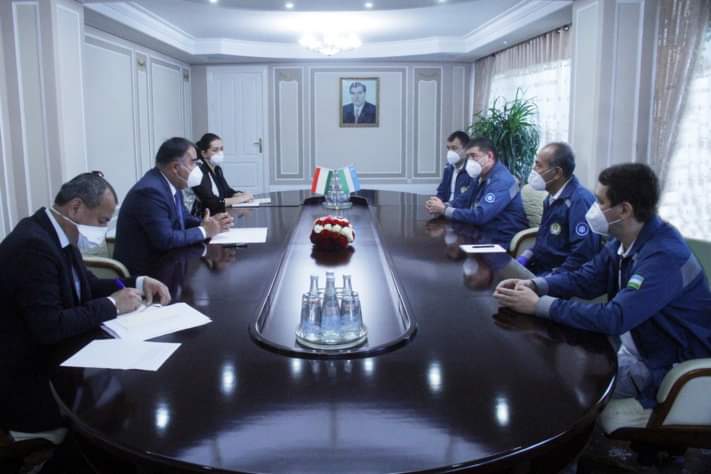
A group of four doctors – an epidemiologist, a virologist, and two anesthetists from Uzbekistan arrived in the Sogd region of Tajikistan in order to support their Tajik colleagues and exchange experiences in the fight against the spread of coronavirus.

Doctors were received by the head of Sughd Rajabboy Ahmadzoda. He informed them that the coronavirus pandemic in Tajikistan was registered at the end of April, and from the first days of the onset of this disease, on behalf of Emomali Rahmon, they began the work of 19 republican headquarters to combat the spread of COVID-19, including in Sughd, reported in the press service of the chairman of the region.
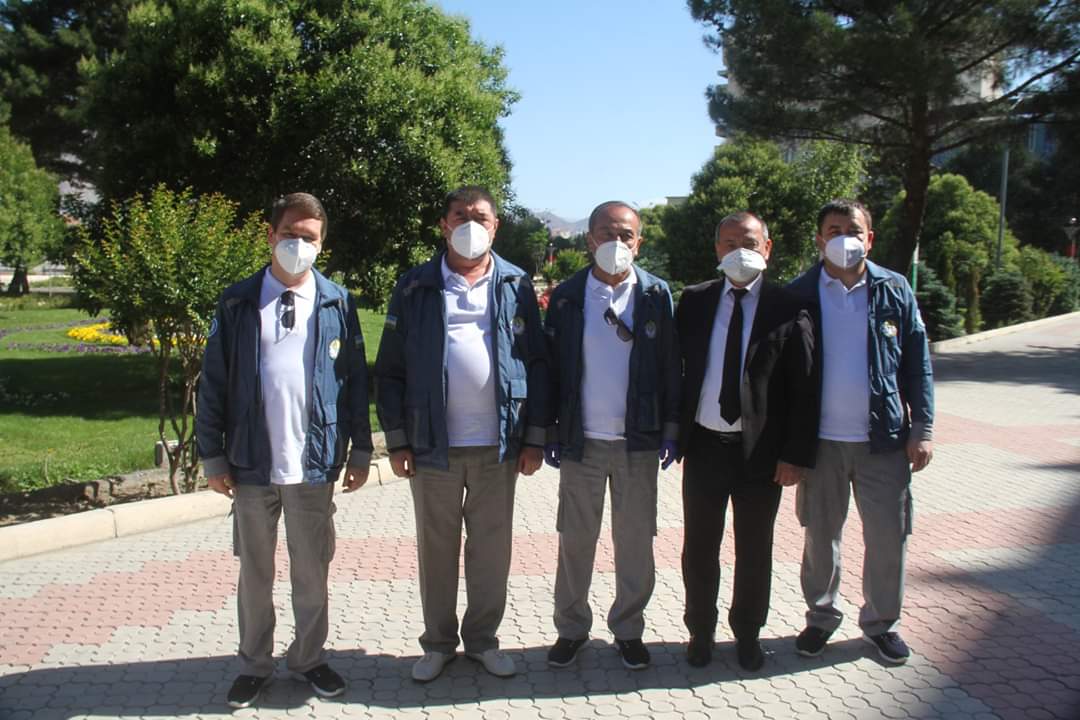
He also noted that on the initiative of the President of Uzbekistan Shavkat Mirziyoyev, humanitarian aid and 8 leading doctors of Uzbekistan were sent to Tajikistan, "which is a symbol of the friendship of fraternal and friendly peoples – Tajiks and Uzbeks".

The head of the group of doctors – Honored Doctor of the Republic of Uzbekistan Nematjon Ibragimov informed Rajabboy Akhmadzoda that they worked with Tajik doctors for two days in hospitals in the region and exchanged experiences.
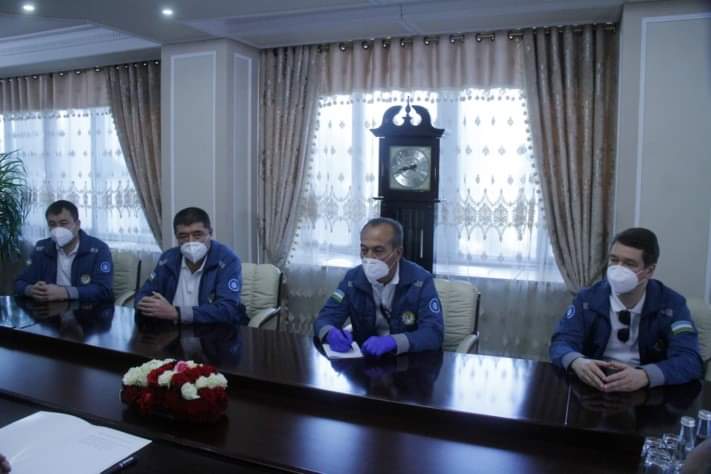
«In the hospitals of the region are professional doctors. Modern methods have been established that meet WHO requirements patients are treated professionally. If experienced doctors work this way further, in the near future they will win a complete victory in the fight against COVID-19», – Uzbek colleague noted merit of Sughdian doctors.
Join us on social media!

Article translations:

Related Article

Оби зулол
Tenisi
Оби зулол

Most Read

Коммерсбонк Точикистон

Recent Articles

President of Tajikistan instructed to develop measures for stabilizing the cement market within a week

Despite the increase in the production of this building material in the country, the domestic market faced a shortage, supply disruptions, and a sharp rise in the price of the building material.

Gusty winds and mudslides damage houses, roads, and cars in Dushanbe and some other regions

At least 9 vehicles were damaged, including three in Dushanbe and six in Vahdat.

The US struck military facilities in Iran. Trump expressed dissatisfaction with Tehran’s proposals and threatened Oman.

Earlier, Iran's state TV reported receiving a draft unofficial framework agreement between Tehran and Washington to settle the conflict.

How much did Tajikistan’s budget earn from the “Google tax”?

The law is already 5 years old, but the Tax Committee provided data only for the last 2 years.

The bilateral trade between Tajikistan and Iran increased by 8% in Q1 2026

Another meeting of the joint intergovernmental commission of the two countries took place in Dushanbe.

Russia and Taliban government sign military-technical cooperation agreement

The document may open up opportunities for the exchange of weapons, military technologies, and other types of defense cooperation.

“Hit with fists on the lower back and abdomen.” A teacher from Nurobod, claiming he was beaten by a student’s brother, details the attack

According to him, he is being threatened with murder, and law enforcement agencies have not yet detained the attacker.

International internet starts coming back in Iran after long shutdown 

Western media reports says Iranians ​isolated by a long...

Tajikistan listed among countries with low generative AI usage

Among the Central Asian countries, Kazakhstan has the highest rate.

Prices in Tajikistan rise almost 2% in January-April: apples, fuel, and utilities become particularly more expensive

In April, inflation was 0.6%: food products became more expensive, non-food products increased in price comparatively less, and tariffs for paid services remained unchanged.