27.5 million somoni (equivalent to some 2.6 million U.S. dollars) of direct investments have been attracted over the first six months of this year for development of the country’s fee economic zones, the Minister of Economic Development and Trade, Zavqi Zavqizoda, told reporters in Dushanbe on August 3.
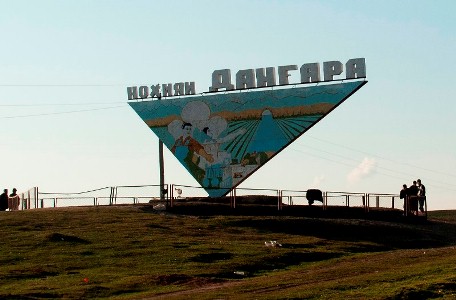
“Of this amount, 17.1 million somoni have been invested in FEZ Danghara, 8.8 million somoni have been invested in FEZ Sughd, and 1.5 million somoni have been invested in FEZ Panj,” the minister noted.
According to him, 66 domestic and foreign companies have been registered as corporate residents of the free economic zones in Tajikistan to date: 29 in FEZ Sughd, 21 in FEZ Danghara, 11 in FEZ Panj and 5 in FEZ Ishkashim.
“20 of a total number of corporate residents of Tajikistan’s free economic zones are engaged in production, export and import activities, while the remaining 46 corporate residents are engaged in construction and delivery of production equipment to the country,” Zavqizoda said.
Over the same six-month period, the subjects of the country’s free economic zones have reportedly produced a total of 74.2 million worth of goods.
918 people now work with the corporate residents of the free economic zones in Tajikistan.
Five free economic zones now operate in Tajikistan: FEZ Sughd (Sughd province); FEZ Panj (Khatlon province); FEZ Danghara (Khatlon province), FEZ Kulob (Khatlon province) and FEZ Ishkashim (Gorno Badakhshan Autonomous Region – GBAO).
The free economic zones provide preferential terms for economic, financial, trade, information, and other activities for investors. The FEZs offer incentives to investors, including preferences on taxation and customs procedures.
In the early 2000s, foreign direct investment has remained low because of political and economic instability, the poor domestic financial system, and Tajikistan’s geographic isolation. To attract foreign investment and technology, Tajikistan has offered to establish free economic zones in which firms receive advantages on taxes, fees, and customs. In 2004, the parliament passed a law on free economic zones. The zones reportedly offer customs and tax incentives to qualified investors that invest at least 500,000 USD and import at least 90% of the technology and equipment.