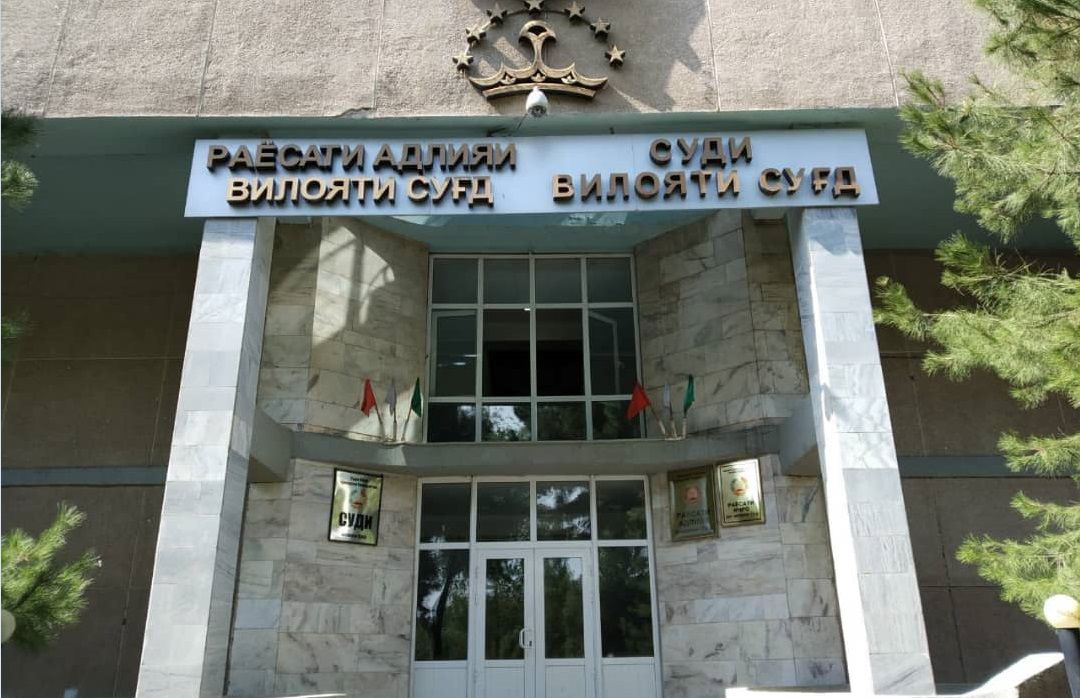
A court in the northern Sughd province sentenced 20 local residents to prison terms ranging from between five and seven years last week, according to Radio Liberty’s Tajik Service.
The sentence followed their conviction on charge of membership in the banned Muslim Brotherhood movement.
The trials reportedly took place behind closed doors, without the presence of family members and reporters, and relatives.
The names of the defendants have not been made public and details of the investigation and the trial process remain unknown.
Anvarjon Abdughaffori, the judge who presided over the trials, said on August 18 that the main charge against the defendants was membership of a banned group.
Separately, one defendant has been fined after being found guilty of failing to report crimes, Abdughaffori told RFE/RL’s Tajik Service.
The defendants were among 154 people who have been detained in several raids against suspected Muslim Brotherhood cells across Tajikistan since January.
It remains unclear whether the defendants pleaded guilty or rejected the charges, or if they had been given a chance to appeal their sentences.
The defendants are said to have been denied access to defense lawyers, a claim RFE/RL cannot independently verify.
Several relatives of the defendants told RFE/RL that they have been kept in the dark about the situation since the arrest of their family members.
The relatives said they have complained to higher courts about the Sughd court’s handling of the cases, saying the accusations against the defendants are baseless and unfair.
Speaking on condition of anonymity, they described the defendants as educated people with university diplomas on secular subjects.
Tajik authorities banned the Muslim Brotherhood as an extremist group in 2006, accusing it of seeking to overthrow the government through violence and replace it with an Islamic system. The group faces a similar ban in Central Asian neighbors Kazakhstan, Turkmenistan, and Uzbekistan. It is not banned in Kyrgyzstan.
It is considered a terrorist organization in Tajikistan, Syria, Egypt, Libya, Saudi Arabia, Bahrain, the United Arab Emirates, and Russia but not in the United States or other Western countries.