Darvoz in the Gorno Badakhshan Autonomous Region (GBAO) of Tajikistan is crossed by roads of varying quality where trucks rumble through to and from China.
An article by Yau Tsz Yan, who researches China in Central Asian affairs at the OSCE Academy in Bishkek, in particular, says readers of official Chinese news now know Darvoz as an economic miracle that, thanks to Chinese technology and Beijing’s Belt and Road Initiative, promises Tajikistan a prosperous future.
Or so says a long-time Tajik envoy to Beijing given a platform in the Communist Party of China’s mouthpiece, reads the article posted on Eurasianet’s website.
According to the article, Rashid Alimov’s effervescent August 21 op-ed in People’s Daily describes a vision of the future – a future that the Belt and Road has brought to Tajikistan: the Darvoz Industrial and Innovative Technological Park.
Darvoz, the former Tajik foreign minister writes, is a key node on the “China-Tajikistan friendship highway.” With the “most advanced automation equipment made in China,” the Darvoz park can produce drinking water and honey for export, limestone for the Tajik cement market, and tomatoes year-round. And the timing couldn’t be better. Chinese machines can yield 10 tons of disinfectant a day and 2,000 pieces of PPE per hour.
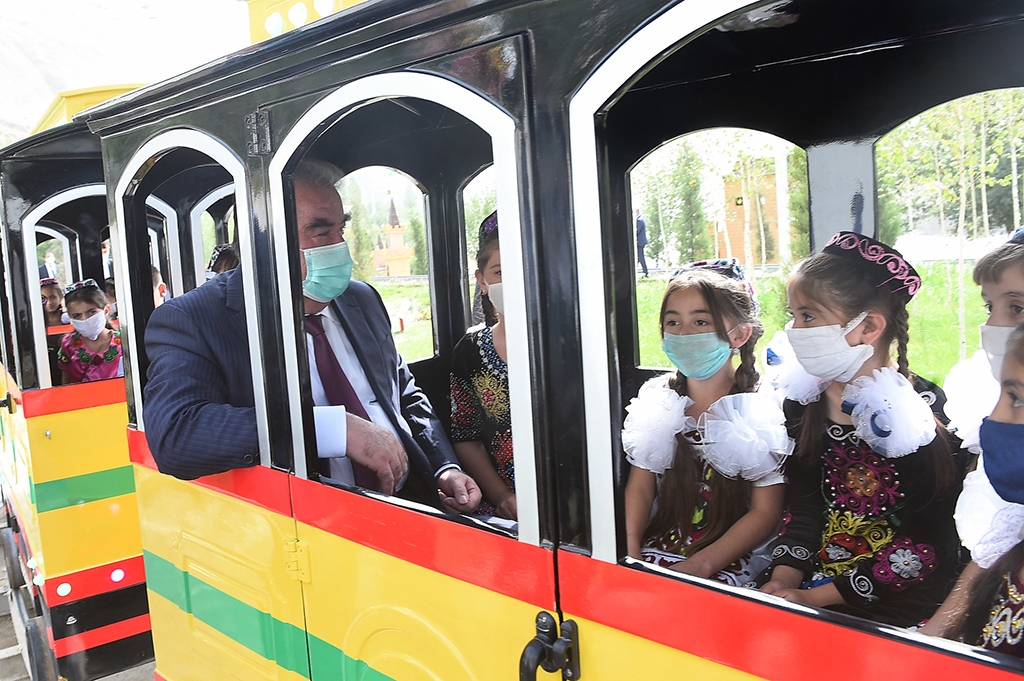
Meanwhile, the article notes that “unusually, no Chinese companies are taking credit for the project. That lends support to the local chatter: that it is being funded by the Tajik Aluminum Company (TALCO), which operates the Tajik aluminum smelter. Indeed, a man strongly resembling the elusive TALCO deputy director, Sherali Kabirov, appears in photos with President Emomali Rahmon at the facility’s grand opening on August 19, according to the article.
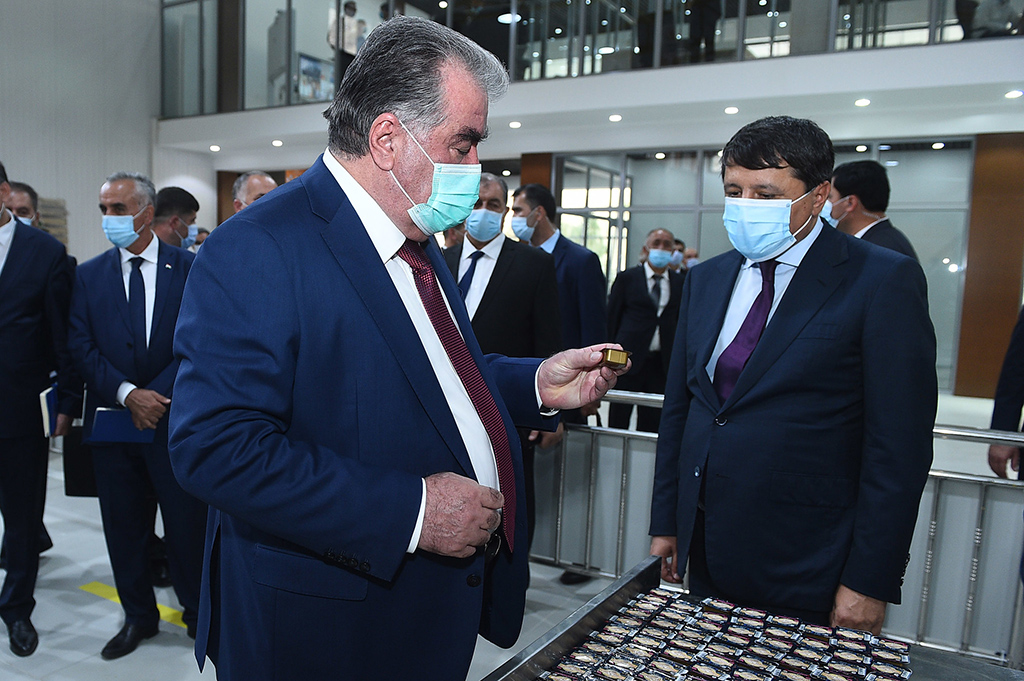
The article says anyone familiar with how loss-making Talco spends money knows the company is not a harbinger of economic transformation.
Yet Alimov reportedly likens the project to the Shenzhen Special Economic Zone near Hong Kong that kickstarted the Chinese economic miracle of the last few decades. And he is not shy with praise for Chinese knowhow: “What is striking is that the design and construction of the Darvoz Innovation and Technology Park fully draws on China's experience in developing technology parks.”
That Tajikistan is spending its own money on job-creating industry can only be celebrated, if indeed those jobs materialize. The country has lately spent a lot of Chinese money. And despite Dushanbe’s recent request for forbearance, Beijing has signaled it is not in a forgetting mood.
Sputnik reported that earlier in the month, Beijing postponed a US$40 million debt payment. That’s small potatoes relative to the Tajik debt Beijing owns: US$1.15 billion, 29 percent of Tajikistan’s external debt or 16 percent of the country’s GDP.