Almost 50 million cases of COVID-19 have now been reported to the World Health Organization (WHO), and more than 1.2 million people have lost their lives, WHO Director-General Tedros Adhanom Ghebreyesus noted yesterday while opening the World Health Assembly.
According to him, millions more have died due to disruption of essential health services.
“Although this is a global crisis, we must remember that countries have responded differently, and they have been affected differently. Half of all cases and deaths are in just four countries,” UN health agency chief said.
There are many countries and cities that have successfully prevented or controlled transmission with a comprehensive, evidence-based approach he noted.
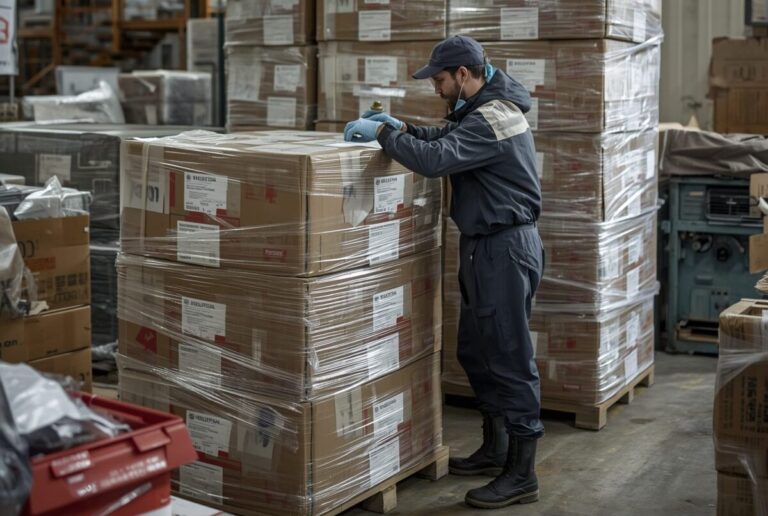
“We have given countries the solutions they need by sending more than 285 million essential medical products to 168 countries and territories, including masks, gloves, gowns, goggles, swabs, tests and more,” said Ghebreyesus. “We have delivered almost 13,000 oxygen concentrators to 110 countries, and in several countries we’re designing and building oxygen generation plants.”
“When the history of the pandemic is written, I believe that the ACT Accelerator will be recorded as one of its standout successes,” he noted.
The ACT Accelerator is a unique mechanism with two aims: to develop vaccines, diagnostics and therapeutics fast; and to allocate them fairly.
He further noted that a vaccine is needed urgently to control the pandemic. According to him, the world has come together as never before to ensure these life-saving tools are developed, produced and allocated fairly as global public goods, not private commodities that become one more reason some people are left behind.
“First, in our commitment to make 1 billion people safer from health emergencies, COVID-19 is far from the only emergency to which WHO has responded,” said WHO director-general. “It hasn’t made the headlines, but so far this year we have responded to more than 60 emergencies, including major outbreaks of Chikungunya in Chad, yellow fever in Gabon and Togo, measles in Mexico, conflicts in the Sahel, Middle East and Caucasus, storms in the Philippines and Viet Nam, and much more.”
It’s time to forge a new era of cooperation that puts health and well-being at the center of common future, he said, noting that that would not be the last global health crisis.