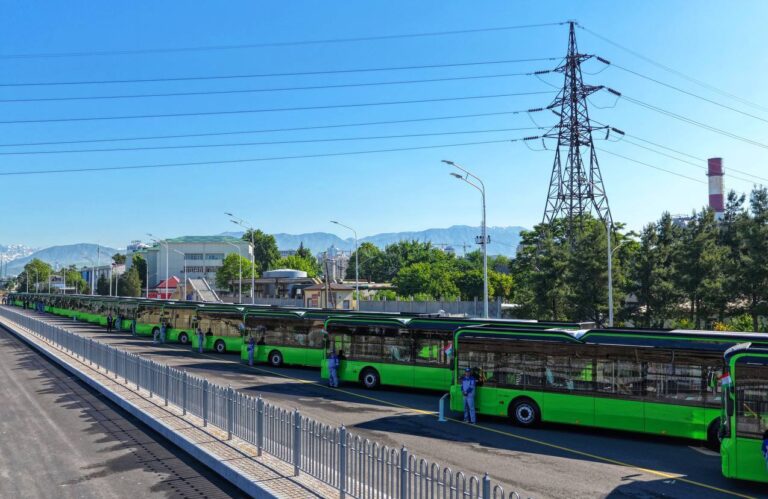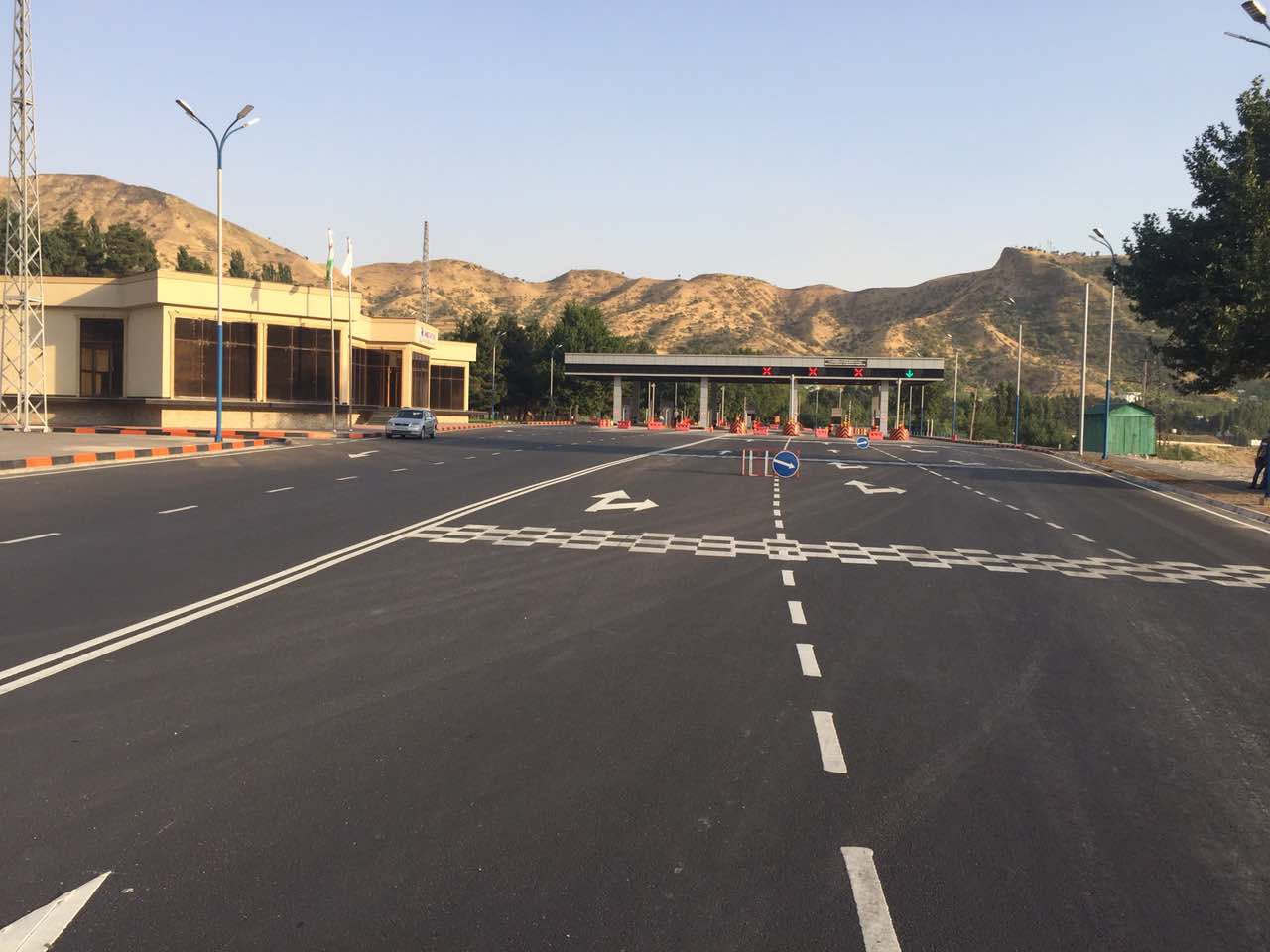
Tajikistan’s road assets reportedly reach 2.566 billion somonis

Tajikistan’s road asset management system program designed for 2021-2024 notes that current road assets of Tajikistan are estimated at 2.566 billion somonis    Over the past eight years, the country’s road d assets have reportedly increased nearly eight times.  In 2012, Tajikistan’s road assets were reportedly estimated at only 325.8 million somonis. The objective of road […]

Asia-Plus

Tajikistan’s road asset management system program designed for 2021-2024 notes that current road assets of Tajikistan are estimated at 2.566 billion somonis    Over the past eight years, the country’s road d assets have reportedly increased nearly eight times.  In 2012, Tajikistan’s road assets were reportedly estimated at only 325.8 million somonis.

The objective of road asset management is generally to optimize the economic benefits by minimizing the sum of maintenance costs and road user costs—road asset management looks not only at the maintenance costs for the road entities, but also at the road transport costs for road users, encompassing all the costs related to road transport (total road transport costs).  Road asset management can help determine the optimal funding levels that help minimize these total road transport costs for a country, and can demonstrate how available funding can best be allocated to specific roads or road sections, and to specific types of maintenance and repair.  

A total length of roads in Tajikistan is now about 27,000 kilometers, including more than 14,000 kilometers of roads together with 2,232 bridges being on the balance sheet of the Ministry of Transport and about 13,000 kilometers of other roads being on the balance sheet of other agencies and organizations.  

Meanwhile, Tajikistan tops the Central Asian nations in terms of quality of roads.  

According to the Global Competitiveness Index, published annually by the World Economic Forum, Tajikistan ranks 50th among 141 countries in terms of quality of roads. 

In a couple of years, Tajikistan has managed to considerably improve its position in the Global Competitiveness Index in terms of quality of roads, climbing 20 positions in this rating – from the 70th place in 2017 to the 50th place in 2019.  

While creating the rating, its authors probably did not take into account the quality of roads in the Gorno Badakhshan Autonomous Region (GBAO). 

The Road quality indicator is one of the components of the Global Competitiveness Index.  It represents an assessment of the quality of roads in a given country based on data from the WEF Executive Opinion Survey, a long-running and extensive survey tapping the opinions of over 14,000 business leaders in 144 countries.
 

Join us on social media!

Article translations:

Related Article

Оби зулол
Оби зулол

Most Read

Recent Articles

The only GPW veteran in Dushanbe allocated more than 80,000 somoni

The mayor's office of Dushanbe allocated him 25,000 somoni.

GITEX AI Kazakhstan 2026: how Almaty became the main AI hub of Central Asia

More than 300 companies and startups, over 200 speakers and 100 investors from 50 countries — the region is entering the global stage.

A trade and economic park to be built at the border junction of Tajikistan, Kyrgyzstan, and Uzbekistan

President of the Kyrgyz Republic Sadyr Japarov familiarized himself with the project.

A project to protect soil from degradation to be developed in Central Asia

The initiative is of great significance for the mountainous countries of the region, including Tajikistan.

Mudslide, death, and destroyed homes: hundreds of families in Tajikistan left homeless

A correspondent from "Asia-Plus" visited Kulob and spoke with the families of those who died and were affected by the disaster.

Spring 2026 bright event: new issue of VIPzone now on sale

This issue is about people and ideas that change everything: from business and investments to fashion, food, and urban environment.

Godfrey Sullivan: “Tajikistan is a promising market for Visa to develop digital payments”

The Vice President of Visa explained why Tajikistan is becoming a promising market for digital payments and how artificial intelligence is influencing the future of finance.

Seven students in Dushanbe were threatened with expulsion for arriving at universities in personal cars

The materials for each case have been sent to the Ministry of Education and Science for appropriate actions.

India’s blockchain push and lessons for the global south

The Indian Government has started pushing aggressively its agenda...

India’s blockchain push and lessons for the global south

The Indian Government has started pushing aggressively its agenda...