Yemen fishermen find $1.5m of ambergris in the belly of a whale

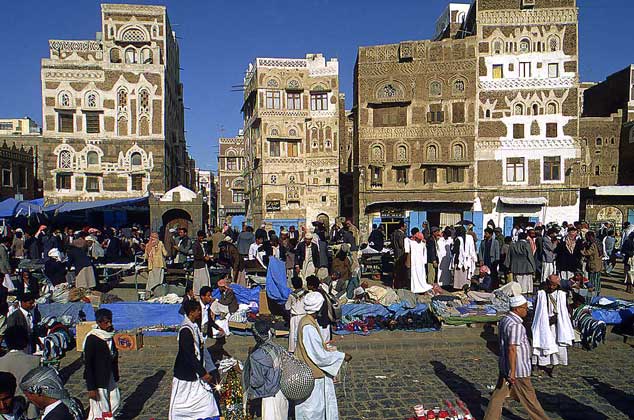
Fortune smiled upon a group of fishermen in Yemen who found a floating treasure worth US$1.5 million inside the carcass of a sperm whale. A group of fishermen in Yemen came across a sperm whale carcass floating in the Gulf of Aden.  “As soon as we got close to it there was this strong smell […]

Fortune smiled upon a group of fishermen in Yemen who found a floating treasure worth US$1.5 million inside the carcass of a sperm whale.

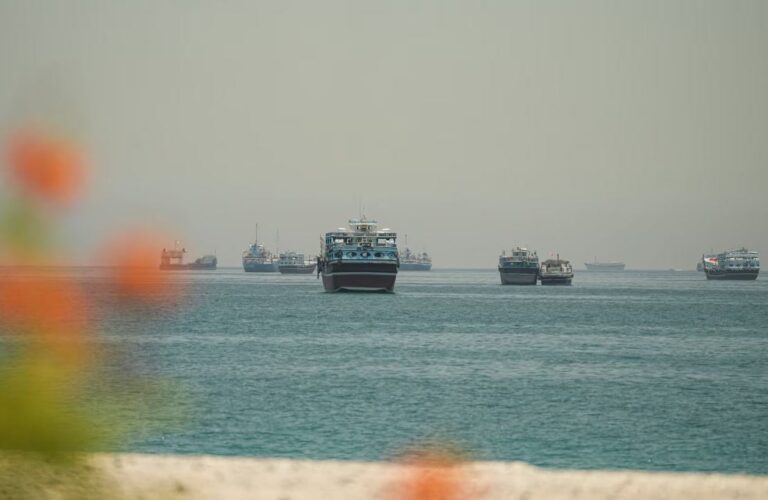
A group of fishermen in Yemen came across a sperm whale carcass floating in the Gulf of Aden. 

“As soon as we got close to it there was this strong smell and we had the feeling that this whale had something,” one of the fishermen told the BBC.

The unnamed Yemeni man added: “We decided to hook the whale in, take it to shore and cut into it to see what was inside its belly, and yes, it was ambergris. The smell wasn’t very nice – but lots of money.”

When the fishermen dissected it, they were surprised to find 127 kg lump of waxy, black ambergris.  The group was more than happy as they found US$1.5 million worth of ambergris: a lump of solid whale “vomit” which is used in the making of perfume, according to the Independent.

The rare treasure they discovered in its belly has lifted them out of poverty. 

The UN has estimated that 80 per cent of the Yemen’s population are vulnerable to hunger following years of civil conflict.

Ambergris – known as “vomit gold” or “floating gold” – is formed inside sperm whales’ intestines over many years to produce a waxy substance of a grey or black color. It is used in perfumes to preserve the scent.
Join us on social media!

Article translations:

Related Article

Оби зулол
Tenisi
Оби зулол

Most Read

Коммерсбонк Точикистон

Recent Articles

RZD announces the restoration of passenger services between Moscow and Dushanbe

Direct rail services between the capitals of Russia and Tajikistan were suspended in March 2020 due to the COVID-19 pandemic.

#AP30/Stories. “Selam! Heller nichek?” How Tatars live today in Sughd province

On the 30th anniversary of "Asia-Plus," we continue to publish reports that remain relevant even after years. This story was told in 2021, and since then, little has changed in the life of the Tatar community in Tajikistan.

15,000 cameras, drones, and robots: how technology monitors pilgrims in Mecca and Medina

During Hajj 2026, Mecca and Medina were under unprecedented digital control.

Another child in Dushanbe removed from family and sent to boarding school

The Ministry of Internal Affairs reports that the parents did not pay adequate attention to the child.

Emomali Rahmon instructs to address issues in seed production following criticism of the industry

Issues have been noted with certification, seed quality, and the material and technical base of the industry.

Water, climate, and a $130 billion deficit: seven key outcomes of the Water Conference in Dushanbe

At the forum, countries and international organizations discussed new mechanisms for cooperation, investments, and technologies that are essential for addressing the global water crisis.

Eskhata Bank introduces a new generation children’s wallet

"Eshkata Bank" has created a full-fledged digital platform that helps children aged 7 to 16 learn how to manage money.