Tajikistan’s population is seriously concerned over increasing prices for petroleum products in the country because a gas price hike can lead increase in the price of basic food products. It is to be noted that over the first seven months of this year, gasoline has risen in price more than all other goods in Tajikistan.
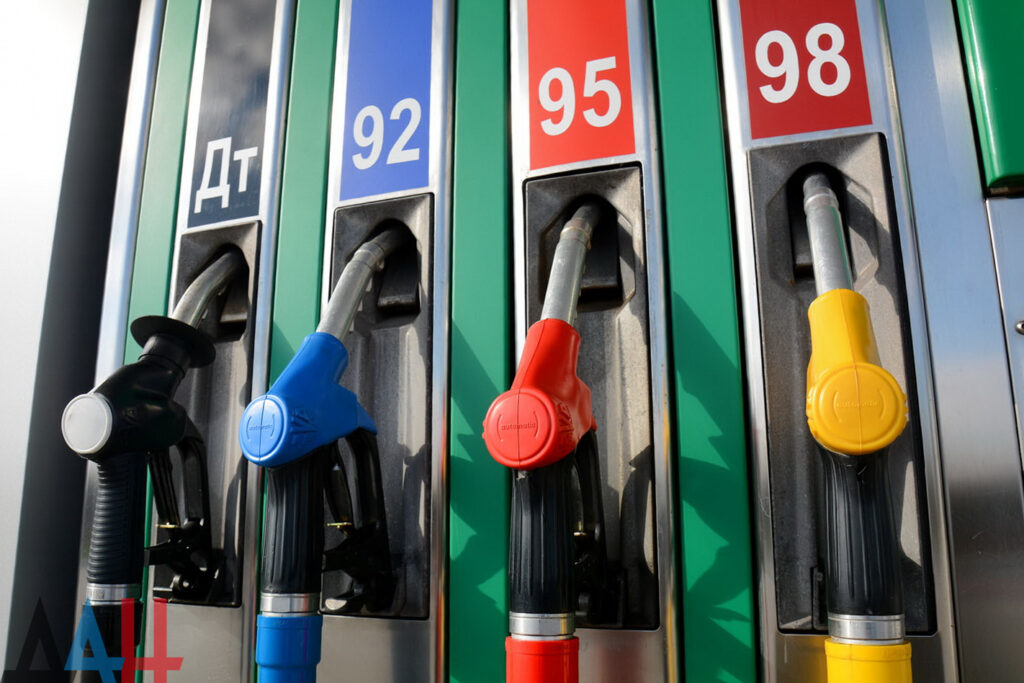
Usually, three brands of gasoline are delivered to Tajikistan: 92-octane gasoline; 95-octane gasoline; and 98-octane gasoline.
The 92-octane gasoline is the most sought-after grade of automobile gas in the country for the simple reason that this grade is cheaper for motorists.
The price of one liter of 92-octane gasoline in Dushanbe rose from 9.17 somonis in April to 9.90 somonis on August 4, with similar price rises in other parts of the country.
The current price for one liter of 95-octane gasoline in Dushanbe is 10.50 somonis.
Other types of motor fuel have also risen in prices over the first six months of this year. The prices of diesel fuel and liquefied natural gas (LNG) have also dramatically risen over the same seven-month period.
In Dushanbe, the current price for one liter of diesel fuel is 9.30 somonis and the price for one liter of LNG is 6.40 somonis.
Over the first six months of this year, Tajikistan has reportedly imported nearly US$146 million worth of about 262 million tons of petroleum products, which was 11 percent fewer by weight and 1.1 percent fewer by cost compared to the same period last year.
Russia provides the bulk of Tajikistan’s gasoline and diesel fuel imports, while Kazakhstan provides the bulk of Tajikistan LNG imports.
Petroleum product suppliers say the main reason for the increase in gas prices across the country is devaluation of the national currency, the somoni.
Meanwhile, the Tajik authorities said that the price hike has resulted from the rising cost of petroleum products in producer countries.
Recall, Russian media reports said on July 23 that Russia is ready to introduce a ban on gasoline exports amid record-high wholesale prices on the exchange.
Besides, one of Kazakhstan’s largest oil refinery “Atyrau” has not operated since the beginning of the year due to technical problems. In addition, the Kazak authorities in March this year has banned petroleum product exports for six months.