Excess tax burden, frequent inspections and illegal levies, expensive loans, unfair distribution of benefits, and technological backwardness are the five unresolved problems facing Tajik entrepreneurs.
Excess tax burden
The tax burden on business has slightly decreased in Tajikistan after the adoption of the current Tax Code in 2013. Tajikistan however is still among the countries with a high level of taxation of entrepreneurs.
According to the latest data from the World Bank, mid-sized enterprises in Tajikistan spend about 65 percent of their incomes on taxes.
Some representatives of small and medium-sized enterprises (SMEs) admit that they have to hide most of their income to somehow survive in conditions of unbearable taxes.
Frequent inspections and illegal levies
Tajik authorities have taken various steps to prevent frequent inspections of entrepreneurs and introduced moratorium on inspection of businesses in the manufacturing sector (2019-2020).
According to official data, the number of inspecting bodies over the past two years has decreased from 31 to 25 and the number of planned inspection has decreased over the reporting period by 27 percent. The number of permits has reportedly decreased from 605 to 74 and the unified state electronic register for permits has been created.
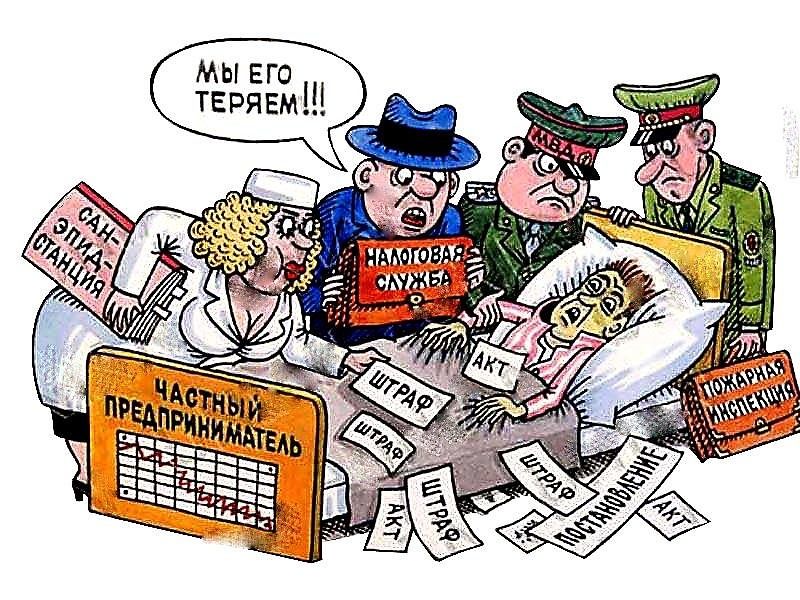
However, representatives of small and medium-sized enterprises complain about frequent inspections by various government agencies such as tax bodies, prosecutor’s offices, police, sanitary and epidemiological stations, environmental and fire services and so forth.
Entrepreneurs also complain about unfair extortions from these agencies.
Unfair distribution of benefits
Another problem facing Tajik entrepreneurs, which is mentioned not only by entrepreneurs themselves, experts and international financial organizations but also by the country’s fiscal authorities, is unfair distribution of benefits that is, massive indulgences in favor of one group of taxpayers over others.
Experts call such benefits a hidden indirect subsidization of one group at the expense of another group. They explain that when you exempt someone from paying taxes, others, even if they do not pay more, will not be able to hope for any rate cuts, at least in the short term, because someone needs to replenish the budget.
Expensive loans
Business at times faces liquid gap. Supposedly, such matters are dealt by attraction of bank loans.
Meanwhile, sober-minded entrepreneurs don't take expensive loans from Tajik banks, realizing all the inconsistency of such a solution to their financial problems. The businesspeople, who decide to embark on such an adventure, create big problems not only for themselves but also to a bank and for the entire financial system of the country as a whole.
The problem that shouldn't have been
Specialists in international fields say that one of the serious problems facing the business environment in Tajikistan is backwardness in terms of modern technology.
They noted at the level of digitization, Tajik significantly lags behind even its neighbors in Central Asia, not to mention the more advanced regions.
Electronic document flow in the civilized world has long supplanted paper in the internal corporate life of companies.
However, this problem is connected not so much with entrepreneurs as with the government, which should create a full-fledged digital economy.