The combined shocks of drought, conflict, COVID-19 and an economic crisis in Afghanistan, have left more than half the population facing a record level of acute hunger, says a report released by the United Nations on October 25.
The latest Integrated Food Security Phase Classification (IPC) report co-led by the Food and Agriculture Organization (FAO) and World Food Programme (WFP), revealed that the lives, livelihoods and access to food for 22.8 million people will be severely impacted.
The IPC report found that more than one-in-two Afghans will face Phase 3 crisis or Phase 4 emergency levels of acute food insecurity from November through the March lean season, requiring an urgent international response to prevent a humanitarian catastrophe.
This is the highest number of acutely food insecure people ever recorded by the UN, during 10 years of conducting IPC analyses in Afghanistan.
The report revealed a 37 percent surge in the number of Afghans facing acute hunger since its last assessment in April.
Among those at risk are 3.2 million children under five, who are expected to suffer from acute malnutrition by the end of the year. Last month, WFP and the UN Children’s Fund (UNICEF) warned that without immediate life-saving treatment, one million children risked dying from severe acute malnutrition.
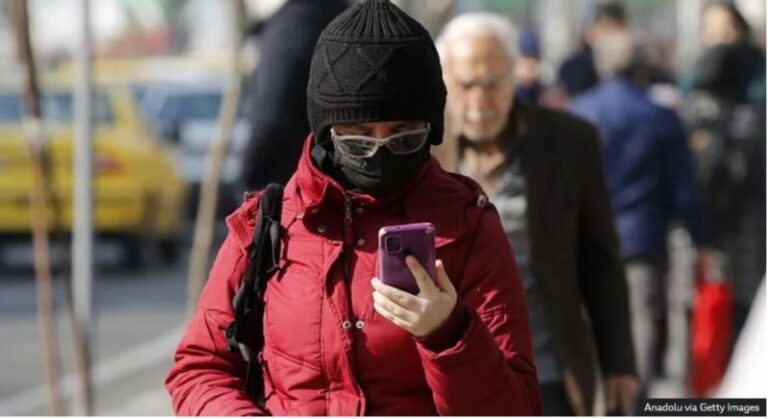
And for the first time, urban residents are suffering from food insecurity at similar rates to rural communities.
Meanwhile, rampant unemployment and a liquidity crisis are putting all major urban centers in danger of slipping into a Phase 4 emergency level of food insecurity, including formerly middle class populations.
In rural areas, the severe impact of a second drought in four years continues to affect the livelihoods of 7.3 million people who rely on agriculture and livestock to survive.
“It is urgent that we act efficiently and effectively to speed up and scale up our delivery in Afghanistan before winter cuts off a large part of the country, with millions of people – including farmers, women, young children and the elderly – going hungry in the freezing winter”, said FAO Director-General QU Dongyu. “It is a matter of life or death”.
“We cannot wait and see humanitarian disasters unfolding in front of us – it is unacceptable”, he added.
“Afghanistan is now among the world’s worst humanitarian crises – if not the worst – and food security has all but collapsed”, said WFP Executive Director David Beasley. “This winter, millions of Afghans will be forced to choose between migration and starvation unless we can step up our life-saving assistance, and unless the economy can be resuscitated.”