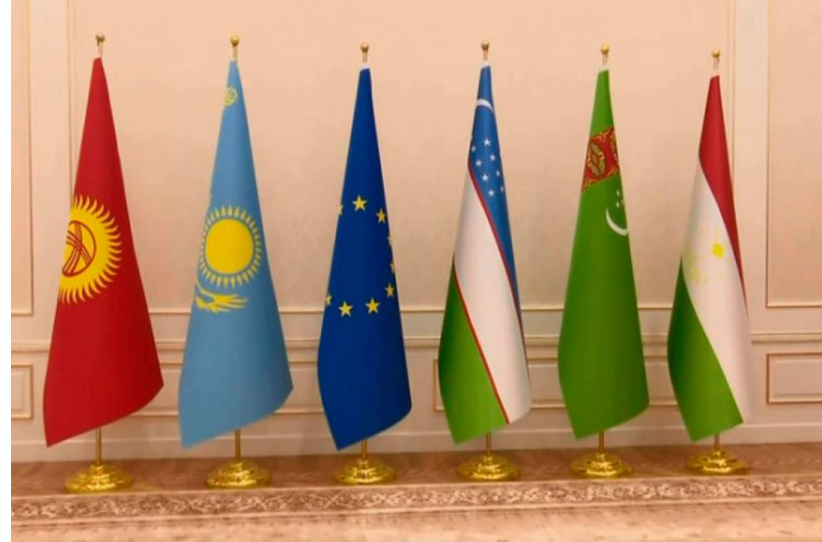
The European Union – Central Asia Forum will be held in the Kyrgyz capital of Bishkek on November 5. It is the first platform of the European Union and Central Asia, which reflects and unifies the economic interests of the member-states.
Kyrgyzstan’s national news agency Kabar says the event will be attended by high-ranking guests from Kazakhstan, Kyrgyzstan, Tajikistan, Turkmenistan, Uzbekistan and EU countries.
The European Commission's Executive Vice President (EVP) Valdis Dombrovskis will be the highest-ranking EU official to attend the upcoming EU – Central Asia Economic Forum.
Meanwhile, Altyn Asyr (electronic newspaper), an online publication of the Turkmenistan national news agency, says the Forum will be held at a level of the prime ministers of Central Asia’s nations and the event’s agenda will focus on such topic issues as the green recovery, digitalization and improvement of the business environment. The separate sessions will be aimed at discussing energy, finances, tourism and other issues.
It is expected that the Forum will bring together not only the representatives of the Central Asia and EU, but also wider range of representatives of other countries. Further it will be held on the rotational system in different countries of Central Asia.
The EU has been engaged with Central Asian countries (Kazakhstan, Kyrgyzstan, Tajikistan, Turkmenistan and Uzbekistan) since the early years of their independence. In 2019, the EU updated its Central Asia strategy to focus on resilience (covering areas such as human rights, border security and the environment), prosperity (with a strong emphasis on connectivity) and regional cooperation.
Bilateral Partnership and Cooperation Agreements (PCAs) provide a framework for the EU's bilateral relations with all Central Asia Countries. The Enhanced Partnership and Cooperation Agreements (EPCAs) constitute a new generation of bilateral agreements, which elevate and deepen the current level of the EU-Central Asia partnership.
Annual formal dialogues on home affairs – based on the PCAs and EPCAs – are organized with each country within the framework of Joint Cooperation Councils and Joint Cooperation Committees, including their special Subcommittees on Justice and Home Affairs issues.