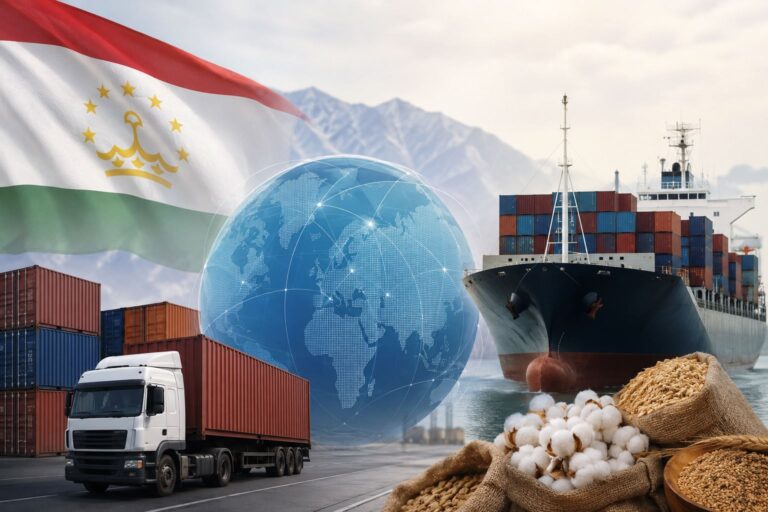
A report, released by the Executive Board of the International Monetary Fund (IMF) on February 18, 2022, in particular, notes that Tajikistan is recovering rapidly from the negative COVID-19 shock. After growing by 4.5 percent in 2020, the economy reportedly expanded by 8.9 percent in the first nine months of 2021 due to strong industrial activity and domestic demand, supported by public investment and robust remittance inflows. While the current account surplus has decline somewhat as imports pickup in line with the recovery, international reserves remain well above adequacy metrics. Inflation remains somewhat above the National bank of Tajikistan (NBT)’s target range (6±2 percent) mainly due to higher global food and fuel prices.
Meanwhile, the IMF Executive Directors stressed the need for fiscal discipline to ensure that debt remains on a sustainable downward trajectory given the high risk of debt distress. They agreed that achieving the 2022 fiscal targets will require tight expenditure control and additional measures if revenue shortfalls emerge. Over the medium term, Directors recommended introducing an operational fiscal anchor, complemented with steps to phase out tax exemptions, broaden the tax base, and improve public spending efficiency and transparency.
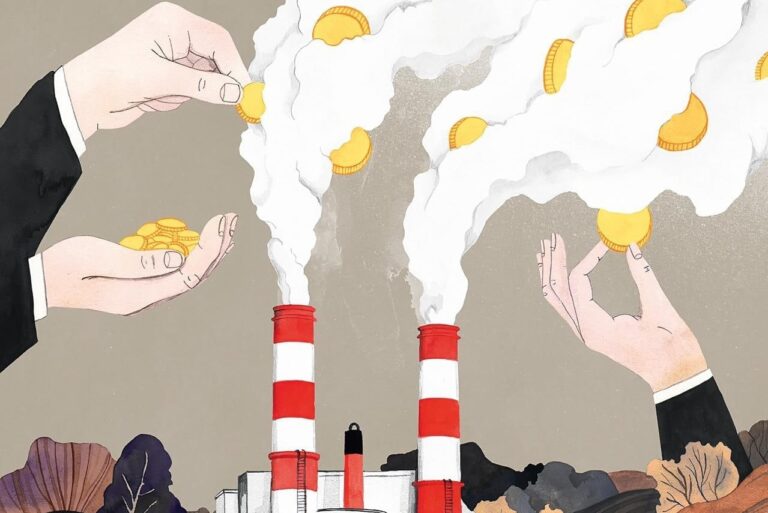
Tajik experts have repeatedly spoken out against the widespread practice of granting tax incentives in the country. According to them, the practice of providing tax exemptions makes the country’s fiscal system any less fair, because due to tax benefits, some pay less than others with the same income.
According to some data, the country's budget loses almost a third of tax revenues due to the practice of providing tax benefits.
Tajikistan has decided to regulate the procedure of providing tax and customs benefits. They now must be provided on the basis of fiscal bodies’ assessments.
Government’s decree issued on December 31,2020 has endorsed the procedure of providing tax and customs duties. The procedure reportedly determines and regulates requirements of providing tax and customs benefits as well as the assessment of effectiveness of the provided or being provided benefits.
In accordance with this decree, the primary analysis of the effectiveness of benefits is carried out by tax and customs bodies.
The results of assessment carried out by these bodies must be submitted to the authorized body (the Ministry of Finance) until May 1 of the next year, which, in turn, submits the proposals to annul inefficient benefits or to prolong the effective benefits for consideration to the government.
Taking into account the final assessment of the effectiveness of the provided benefits, the authorities develop the revenue side of the national for the next fiscal year.
In Tajikistan, tax and customs receipts account for about 70 percent of the national budget’s revenue part.
The document prohibits from providing individualized benefits, that is, preferences to individual enterprises and organizations.
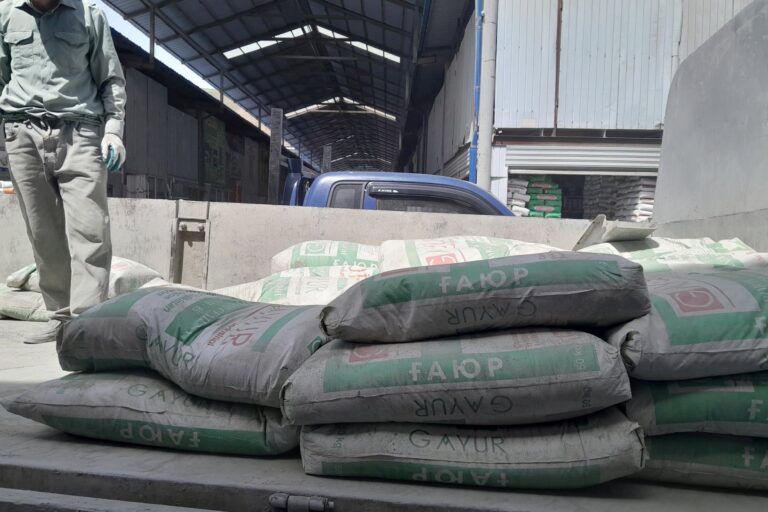
In accordance with the decree, tax and customs benefits are provided to suppliers of wheat, special vehicles purchased at the expense of the national budget, suppliers of fuel oil for the Dushanbe-2 combined heat and power (CHP) plant and coal for Murgab district in the Gorno Badakhshan Autonomous Region (GBAO) as well as the Agency on Production, Purchase, Reservation and Sale of Essential Goods in Dushanbe City.
Certain benefits are also provided to contractors and builders of secondary schools, the National Theater and Ismoili Somoni Hotel in Dushanbe.
Besides, the Tajikistan Football Federation (TFF) and football cubs are exempted from paying some taxes.
Blank biometric passports and some seed varieties are also delivered to the country on a preferential basis.