Of the 17 countries in which the Aga Khan Foundation (AKF) operates, its largest footprint is in Afghanistan, according to the Aga Khan Development Network (AKDN).
It reportedly employs around 1,200 staff, 99 percent of whom are Afghans, including AKF Afghanistan’s CEO, Dr. Najmuddin Najm.
Dr. Najmuddin has worked with AKF since 2004, starting as an office manager and working his way up to CEO in 2019. His leadership and local roots have reportedly been integral to AKF’s response to the current situation in Afghanistan.
Dr. Najmuddin notes in an interview that Afghanistan is in a very difficult and complex situation. According to him, it’s not the result of one phenomenon – there are historical reasons. Over the last few years, the overall socio-economic situation in Afghanistan has reportedly been worsening, compounded by several factors. After August 15, 2021, things drastically changed in Afghanistan, AKF Afghanistan’s CEO said.
Asked how AKF has adapted to the situation, Dr. Najmuddin said AKF has been operating in Afghanistan since 2003, and the wider Aga Khan Development Network since 1996. According to him, that means their engagements, operations and program design and implementation have always been informed by Afghanistan’s fragile environment and its challenges.
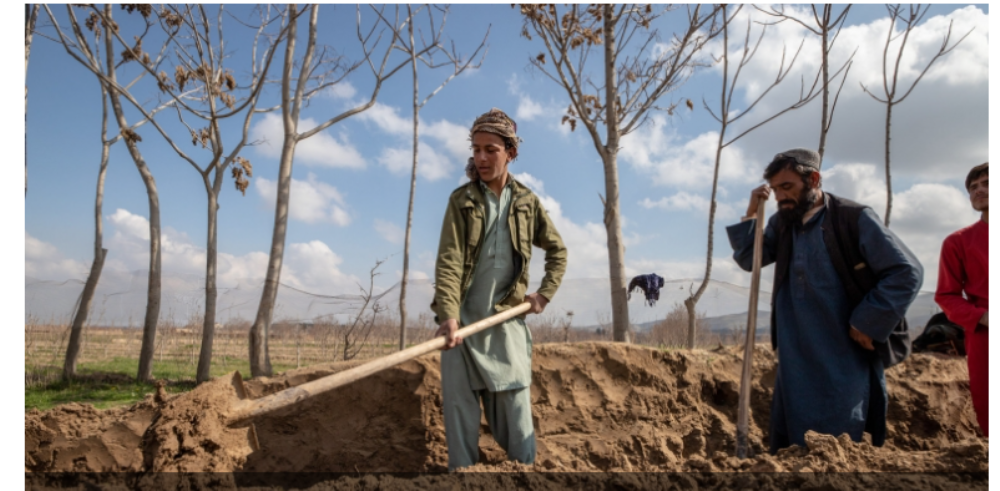
He says that during the aftermath of August 15, they restarted their operations and reorganized their existing programs. “Of course, there are limitations, but we’ve endeavored to remain active in all the areas that we were already working in. That includes major programs such as health, education and early childhood development, agriculture and food security, climate change adaptation, economic recovery and infrastructure development,” Dr. Najmuddin noted.
On top of this, they have reportedly added an entire humanitarian response, through which they are aiming to reach more than 500,000 households, approximately 3.5 million people.
Asked what are the key challenged faced by NGOs, such as AKF, to support Afghanistan at this time, AKF Afghanistan’s CEO said, “Firstly, cash flow into Afghanistan has been a major challenge – ensuring funds are coming through safe and legal routes. Secondly,…with so many educated Afghans fleeing the country, international organizations are having to reinvest in growing their technical and professional capacity. Thirdly, and what has been a particularly difficult challenge, is harnessing the support of the international community to support Afghanistan, many want to focus on the humanitarian aspect of the issue. Though very important, this in isolation disregards the chronic factors behind the current situation. The international community needs to address the root causes of the current issues and make sure that interventions are meaningful and have long-term goals. Investments need to be directed towards enabling societies and building resilience. I am sure that if people were supported properly, they would find ways to deal with the current issues. We need to look at people in Afghanistan as much more than beneficiaries; they are true stakeholders and are an important part of the solution.”