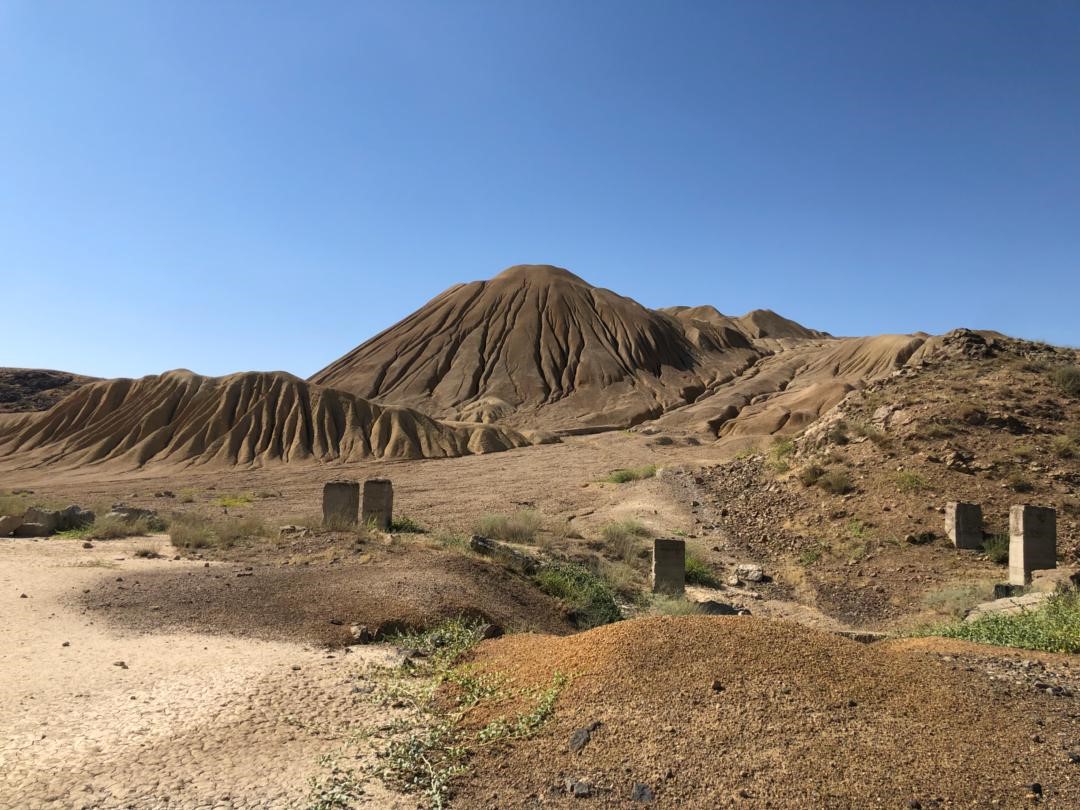
The Central Institute of Design and Technology (JSC CPTI, an enterprise of Rosatom's TVEL Fuel Company) has won a contest for preparation of working papers and performance of work on rehabilitating the “Taboshar” radioactive waste tailing dump area in the Tajik northern province of Sughd. The contest has bene conducted in the framework of the program for re-cultivation of territories of countries affected by uranium mining.
The contract reportedly includes rehabilitation of territories of the radioactive waste tailing dumps and dump of low-grade ore factory. The 8-hectare damp has not been re-cultivated since it was formed more than 40 years ago. The height of the dump has reportedly reached almost 60 meters and volume of accumulated tailings – the sand after uranium extraction – is about 1.17 million tons.
The cost the project, which is designed for the period u to the end of 2023, is 700 million Russian rubles.
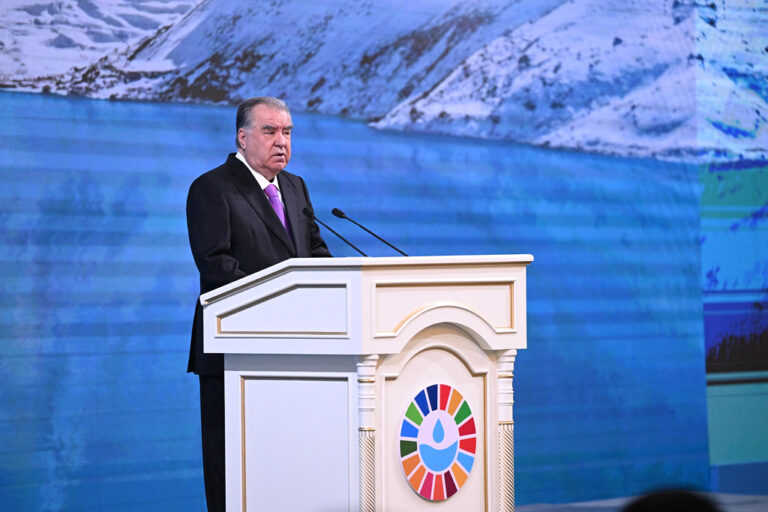
Recall, the then-Permanent Representative of Tajikistan to the United Nations, Mr. Mahmadamin Mahmadaminov raised the issue of the risks of uranium waste in Tajikistan in October 2018 and called for assistance in the reclamation of uranium waste.
Speaking at the event “People and the Planet: Central Asia Calls for International Solidarity”, he expressed the hope that such activities contribute to the intensification and expansion of efforts for the rehabilitation of former uranium production facilities in Central Asia.
It is to be noted that about 55 million tons of radioactive waste were inherited from the Soviet Union to Tajikistan.
In 2014, Tajikistan adopted a National Concept for the rehabilitation of tailing dumps of uranium ore processing waste for 2014-2024 and it was approved by the government of the country.
Its goal is to create and ensure the effective functioning in Tajikistan of an integrated radioactive waste management system.
The document noted that most of the tailings and dumps in the area of Istiqlol (former Taboshar) and Guliston (Chkalovsk) are in poor condition. The Istiqlol uranium deposit was one of the largest in the countries of the former Soviet Union. It was opened from 1926 and in the period from 1944 to 1965, uranium ore was actively mined here.
Due to the economic situation, the county has only limited opportunities to invest funds for these purposes. It is intended to attract funds from international organizations, banks, and various funds to carry out specific programs related to the rehabilitation work and the improvement of the environmental situation in the region.
The production of uranium concentrate in the Soviet Union first began in 1944 at a pilot plant in the town of Ghafourov of Tajikistan. And then 6 more uranium oxide plants were built on the territory of the Sughd province.