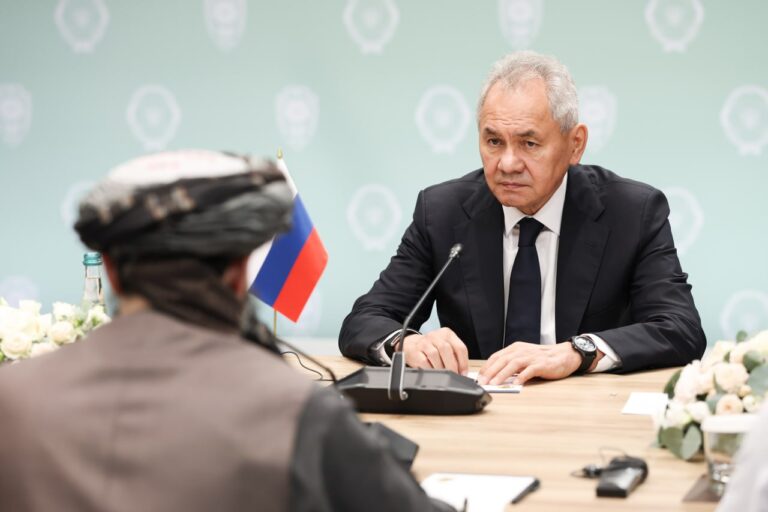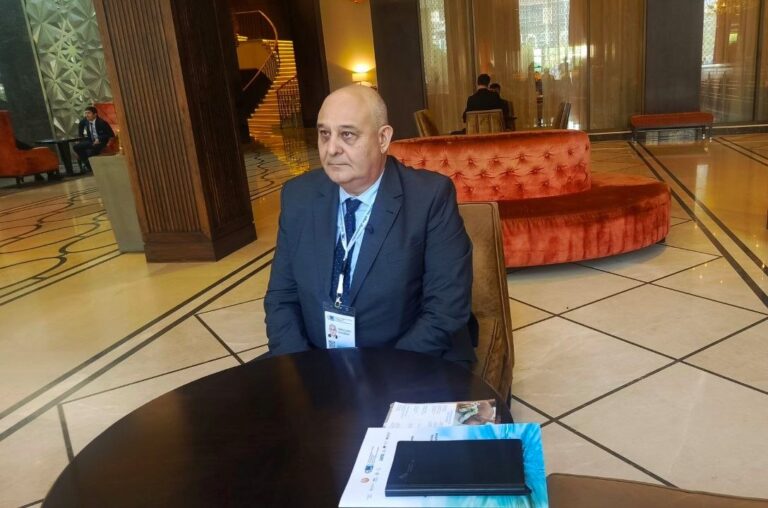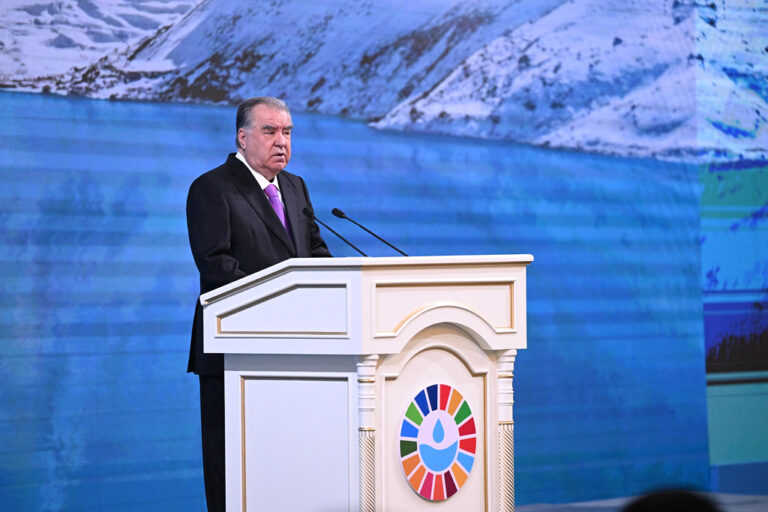
Tajikistan is convening a meeting of the heads of the National Security Councils of eight nations in Dushanbe today for the “Regional Security Dialogue” on Afghanistan. This is the fourth meeting of the process and the two first meeting were hosted by Iran and the third one was hosted by India.
The meeting participants include heads of National Security Councils of Tajikistan (Nasrullo Mahmoudzoda), India (Ajit Doval), Iran (Ali Shamkhani), Kazakhstan (Aset Isekshev), Kyrgyzstan (Marat Imonkulov, Russia (Nikolai Patrushev), Uzbekistan (Viktor Mahmoudov) and External Security Commissioner of China’s Foreign Ministry Cheng Guoping.
Khovar news agency says the meeting participants will discuss latest developments in Afghanistan and challenges and threats for the region.
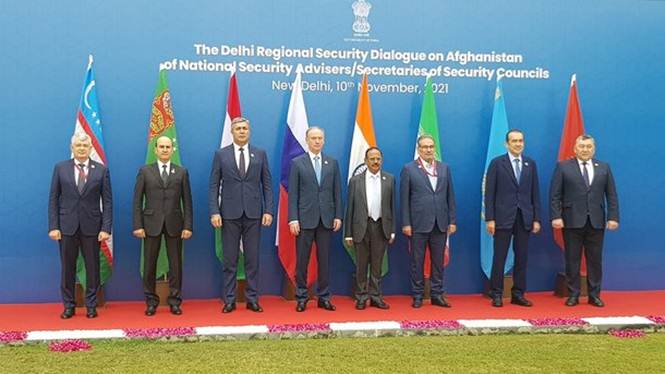
The previous third regional security dialogue on Afghanistan was held in New Delhi, India on November 10, 2021.
In the meeting, India reportedly focused on the security challenges for Afghanistan’s neighbors, Iran raised the issues of cross border migration and Afghan refugees and the need for an inclusive government in Afghanistan to tackle that. Kazakhstan highlighted about the deteriorating security situation, Tajikistan mentioned about the cross-border terrorism and drug trafficking while Kyrgyzstan pointed out the resurgence of terrorist groups in Afghanistan. Russia, Uzbekistan and Turkmenistan called for joint efforts to restore peace in the country.
Following the series of meetings, an important joint statement called “Delhi Declaration on Afghanistan” was released which stated that the participants of the meeting paid special attention to the current political situation in Afghanistan and threats arising from terrorism, radicalization, drug trafficking as well as the need for humanitarian assistance.
Some of the key points mentioned in the Delhi Declaration were: 1) Afghanistan’s territory should not be used for sheltering, training, planning or financing of any terrorist acts; 2) there should be cooperation against the menace of radicalization, extremism, separatism and drug trafficking in the region; 3) there should be an open and truly inclusive government that represents the will of the people of Afghanistan; 4) the United Nations has a central role to play in Afghanistan, its continued presence must be preserved and finally, ensuring that the fundamental rights of women, children and minority communities are not violated.