Over the first six months of this year, gross agricultural product from all categories of farms in Tajikistan has been more than 13 billion somonis (in current prices), which is 7.2 percent more compared to the same period las year. But at the same time, the agricultural goods’ prices have also increased.
“One of reasons for the rise in the agricultural goods’ prices is increase in the cost of their cultivation, i.e. spending on fuel and fertilizers” the Minister of Agriculture, Saadi Karimzoda, told reporters in Dushanbe on July 13.
According to him, spending on fuel and fertilizers accounts for 70 percent of cost of grown products.
“In January-June last year, Tajikistan imported US$28.9 million worth of 143,000 tons mineral fertilizers, while over the first six months of this year, we have imported US$35 million worth of 104,000 tons of mineral fertilizers, which is 39,000 tons less but US$6 million more than in the same period last year,” the minister noted.
At the same time, Karimzoda noted the increased yield of cereals in the country.
“Tajikistan’s annul requirements in wheat are 2 million tons, while we produce 800,000-850,000 tons of wheat per year,” said the minister. “We have no problems with importing wheat from Kazakhstan. We annually buy 1-1.2 million tons of wheat from them.”
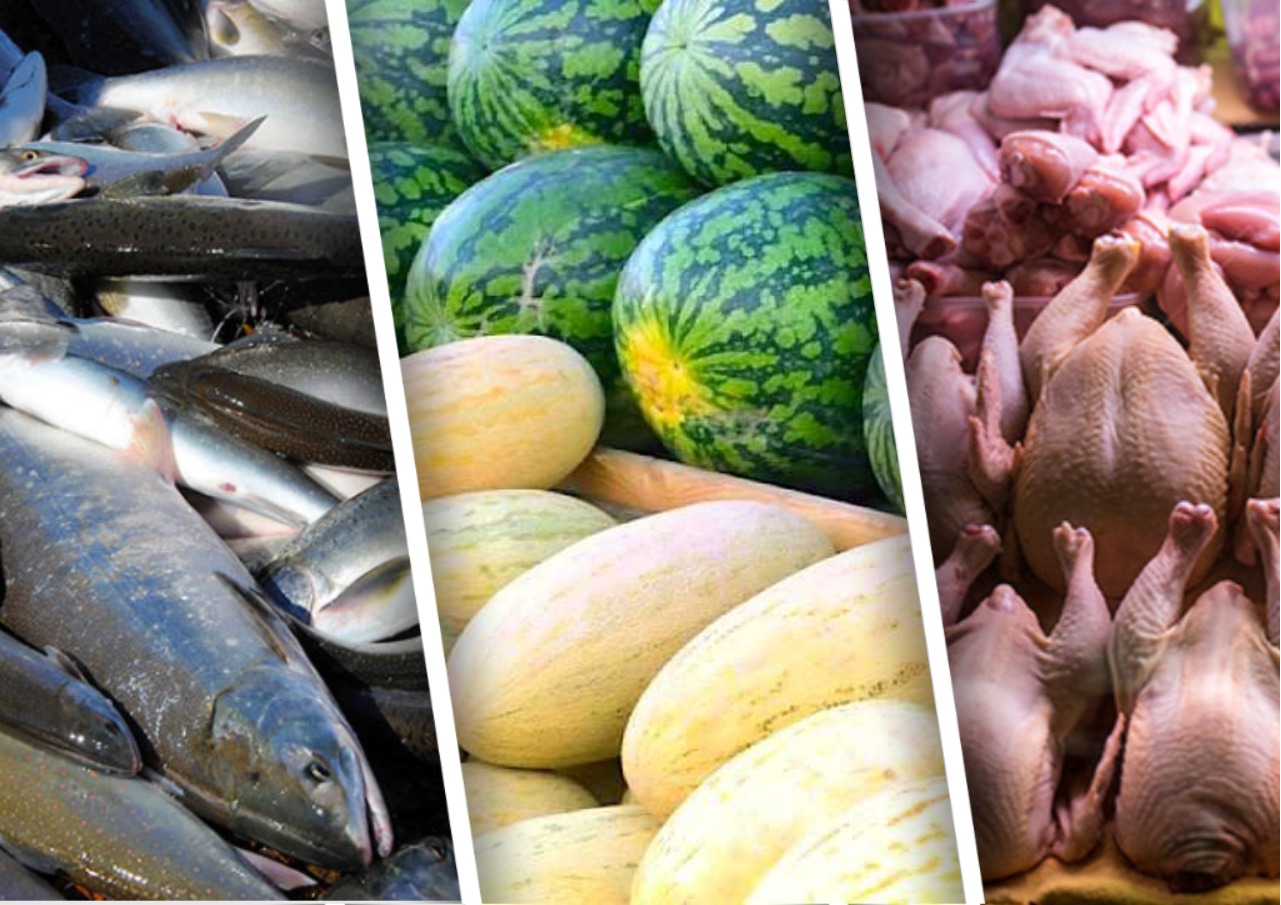
The following are five types of products, production and prices of which have increased the most over the first six months of this year: in January-June this year, all categories of farms have produced more than 1,145 tons of fishes (26.5 percent increase compared to the same period last year; an average prices for 1 kg ranges from 35.00 to 60.00 somonis – 20-40-percent increase in prices); 576.1 million pieces of eggs (24.5 percent increase; an average price for one piece is 1.40 somonis – 40-percent increase in price); 20,300 tons of chicken meat (11.5-percent increase; an average price for 1 kg – 40.00 somonis – 25-percent increase in price); 2,400 tons of grapes (11.2-percent increase; an average price for 1 kg – 15.00 somonis – 50-percent increase in price); 283,000 tons of watermelons and melons (7.6-percent increase; an average price for 1 kg – 6.00 somonis – 50-percent increase in price).