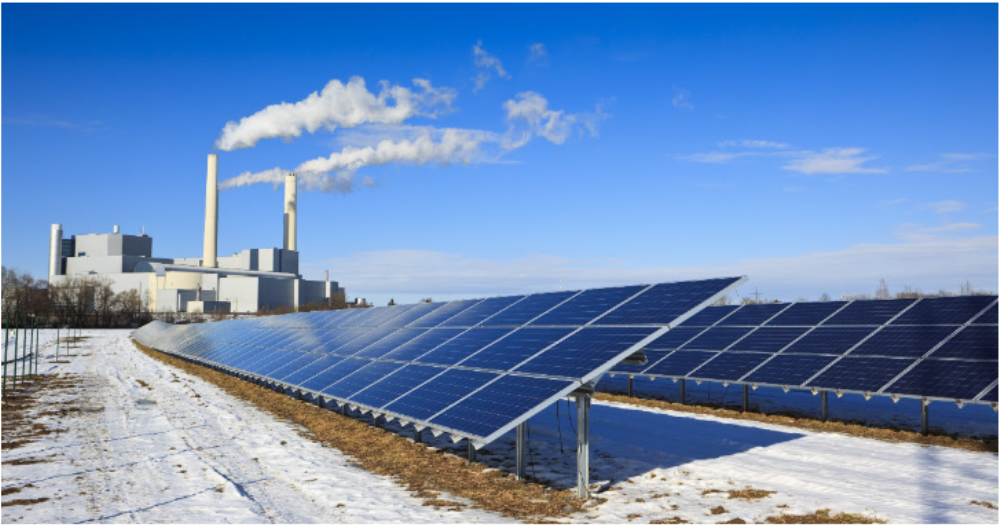
Costs for renewables continued to fall in 2021 as supply chain challenges and rising commodity prices have yet to show their full impact on project costs.
The cost of electricity from onshore wind fell by 15%, offshore wind by 13% and solar PV by 13% compared to 2020.
Renewable Power Generation Costs in 2021, published by the International Renewable Energy Agency (IRENA) on July 13, shows that almost two-thirds or 163 gigawatts (GW) of newly installed renewable power in 2021 had lower costs than the world’s cheapest coal-fired option in the G20. IRENA estimates that, given the current high fossil fuel prices, the renewable power added in 2021 saves around USD 55 billion from global energy generation costs in 2022.
IRENA’s new report confirms the critical role that cost-competitive renewables play in addressing today’s energy and climate emergencies by accelerating the transition in line with the 1.5°C warming limit and the Paris Agreement goals. Solar and wind energy, with their relatively short project lead times, represent vital planks in countries’ efforts to swiftly reduce, and eventually phase out, fossil fuels and limit the macroeconomic damages they cause in pursuit of net zero.
“Renewables are by far the cheapest form of power today,” said Francesco La Camera, Director-General of IRENA. “2022 is a stark example of just how economically viable new renewable power generation has become. Renewable power frees economies from volatile fossil fuel prices and imports, curbs energy costs and enhances market resilience – even more so if today’s energy crunch continues.”
“While a temporary crisis response might be necessary in the current situation, excuses to soften climate goals will not hold mid-to-long-term. Today’s situation is a devastating reminder that renewables and energy saving are the future,” he added.
Investments in renewables continue to pay huge dividends in 2022, as highlighted by IRENA’s costs data. In non-OECD countries, the 109 GW of renewable energy additions in 2021 that cost less than the cheapest new fossil fuel-fired option will reduce costs by at least USD 5.7 billion annually for the next 25-30 years.
High coal and fossil gas prices in 2021 and 2022 will also profoundly deteriorate the competitiveness of fossil fuels and make solar and wind even more attractive. With an unprecedented surge in European fossil gas prices for example, new fossil gas generation in Europe will increasingly become uneconomic over its lifetime, increasing the risk of stranded assets.
The European example shows that fuel and CO2 costs for existing gas plants might average four to six times more in 2022 than the lifetime cost of new solar PV and onshore wind commissioned in 2021. Between January and May 2022, the generation of solar and wind power may have saved Europe fossil fuel imports in the magnitude of no less than USD 50 billion, predominantly fossil gas.
As to supply chains, IRENA’s data suggests that not all materials cost increases have been passed through into equipment prices and project costs yet. If material costs remain elevated, the price pressures in 2022 will be more pronounced. Increases might however be dwarfed by the overall gains of cost-competitive renewables in comparison to higher fossil fuel prices.