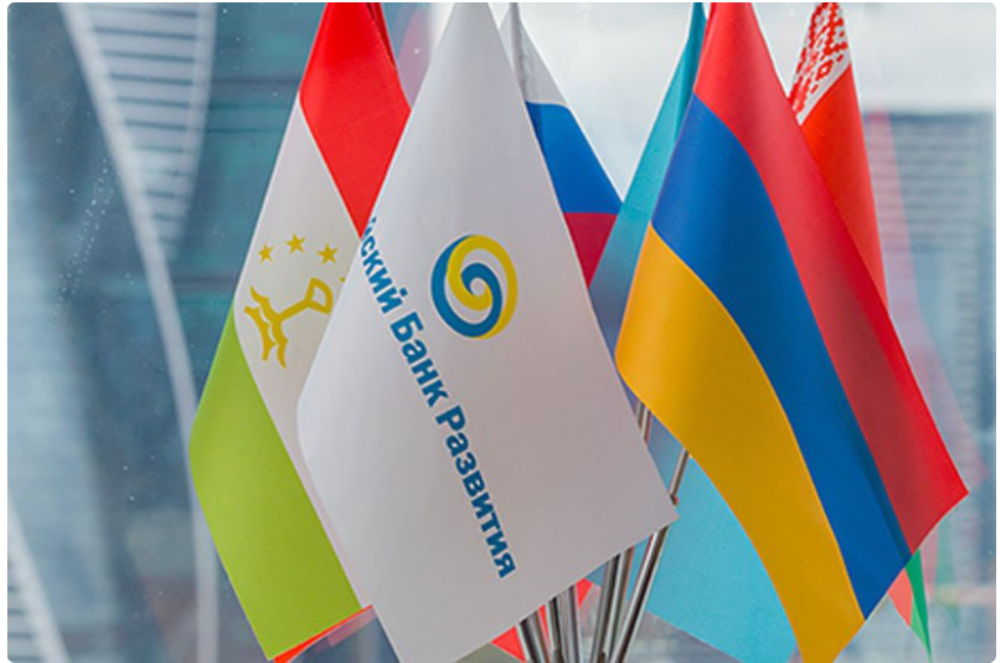
The Eurasian Development Bank (EDB) analysts say that over the first six months of this year, the gross domestic product (GDP) growth rate in Tajikistan has been 7.4 percent. It is the second result among the EDB member nations.
The Monthly Macroeconomic Review released on August 11 notes that Armenia tops the EDB member nations in terms of GDP growth rate – 11.8 percent.
Over the same six-month period, the GDP growth rate has been 3.4 percent in Kazakhstan and 6.3 percent in Kyrgyzstan.
Meanwhile, Russia and Belarus have reportedly experienced economic downturn over the first six months of this year, -0.5 percent and -4.2 percent, respectively.
The Review says that in January-June this year, overall GDP of the region has remained at the level of the same period last year.
EDB analysts note that economic situation in EDB member nations has developed over the reporting period better than expected and predict that economic growth indicators for 2022 will be upgraded.
“This is facilitated, in particular, by a fairly high rate of adaptation to the imposed restrictions and deferred character of sanctions on oil sector. The actions of the authorities also make a great contribution to supporting the economy of the region: stimulating fiscal policy; sharp decline in interest rates in Russia; and measures to improve production and supply chains,” the Review says.
The Monthly Macroeconomic Review is a publication produced by the Chief Economist Group of the Eurasian Development Bank analyzing the economy of EDB member-states. This report assesses the short-term prospects for their economies based on the latest leading indicators.
Meanwhile, EDB Macroeconomic Outlook: The Region’s Economies in the New Reality released on March 30 this year noted that by the end of 2022, GDP growth in Armenia is projected at 1.0%, Kazakhstan at 2.5%, Kyrgyzstan at 1.1%, and Tajikistan at 4.2%. The report also notes that the inflation surge by the end of 2022 is expected to be 8.6% in Armenia, 13.2% in Kazakhstan, 15.3% in Kyrgyzstan, and 11.5% in Tajikistan.
EDB analysts believe that monetary conditions in 2022 will be determined by a balance of fighting inflation and supporting economic activity. By the end of the year, the key rates could fall to around 9% in Russia (from 11% in May) and 12% in Kazakhstan (from the current 14%). As inflation slows down, the key rates in Russia and Kazakhstan are expected to decrease actively in 2023 and return to single-digit levels.
The EDB is an international financial institution investing in Eurasia. For more than fifteen years, the Bank has worked to strengthen and expand economic ties and foster comprehensive development in its member countries – Armenia, Belarus, Kazakhstan, Kyrgyzstan, Russia, and Tajikistan. The EDB's charter capital totals US$7 billion. Its portfolio mainly consists of projects with an integration effect in transport infrastructure, digital systems, green energy, agriculture, manufacturing, and mechanical engineering. The Bank’s operations are guided by the UN Sustainable Development Goals and ESG principles.
Meanwhile, according to Tajikistan’s official statistical data, Tajikistan’s gross domestic product for the first six months of this year has been about 46.2 billion somonis (equivalent to about US$4,4 billion), an increase of 7.4 percent over the same period last year in comparable prices.
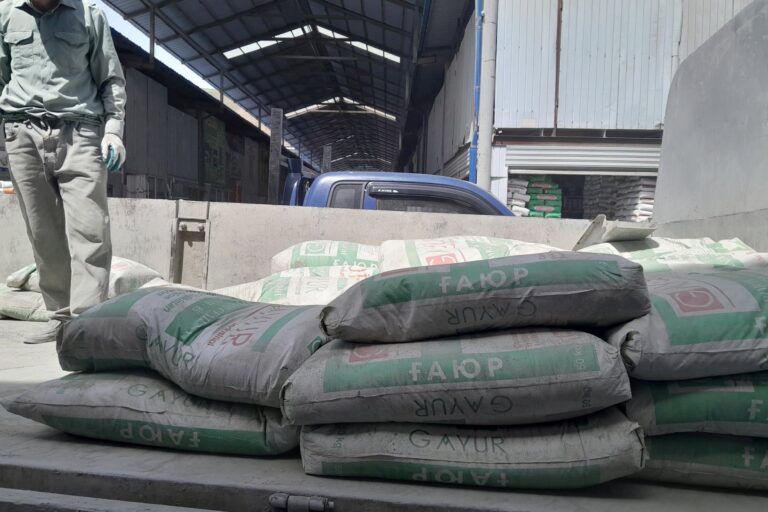
Over the reporting period, industry has been the main driver of the country's economy, with its contribution to the country’s GDP amounting to 19.7 percent.
In January-June this year, the share of trade in GDP was 18.1 percent; agriculture’s contribution to GDP was 8.3 percent; transport – 8.1 percent; other sectors – 18.5 percent.
A relatively low contribution of the agrarian sector the country’s GDP over the reporting period is due to the fact that agrarians receive most of products in the second half of the year.
Thus, the agrarian sector’s contribution to GDP last year amounted to 24.1 percent, while the share of industry in GDP last year was 18.2 percent.