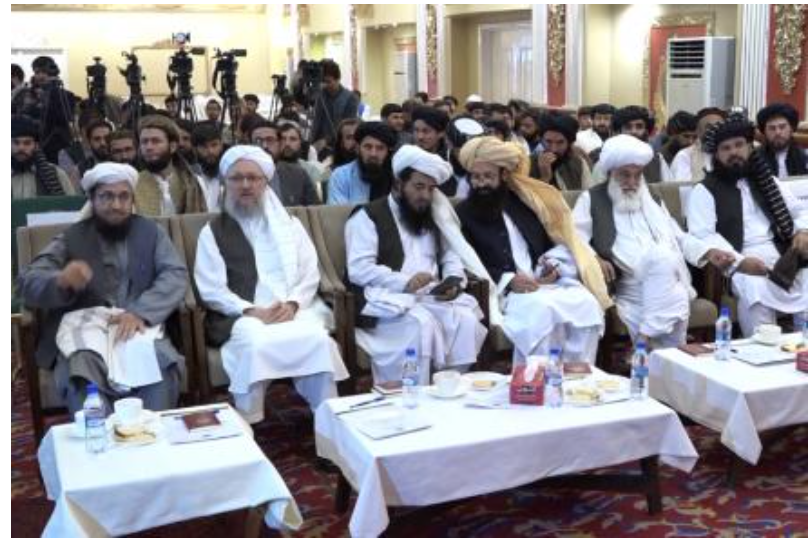
In a statement delivered a gathering marking Global Climate Change Week in Kabul, Deputy Prime Minister of the Islamic Emirate of Afghanistan (IEA), Abdul Salam Hanafi noted on October 16 that one of the negative effects of climate change in Afghanistan is the disruption of the balance of rainfall and untimely snowfalls.
According to TOLOnews, Hanafi said during people have been hurt by floods and that rainfall has been reduced due to climate change in the west, north, and northwest of the country.
TOLOnews notes that according to the Ministry of Public Health, more than 2,000 people die annually as a result of respiratory illnesses and air pollution, which are caused by climate change.
“Even though the fight against climate change has been ongoing for a while, efforts and work in this area are still necessary,” said Hafiz Aziz Rahman, the head of the National Environmental Protection Department.
At the gathering, the Deputy Foreign Minister Sher Mohammad Abbas Stanikzai reportedly said that the Soviet Union, NATO, and US had used various weapons in Afghanistan that contributed significantly to environmental damage. He called on international community to assist Afghanistan in this area.
"Not only we, but also the entire world has a responsibility to work with us in this area because they have harmed Afghanistan's air, space, and environment, and the world's countries have contributed to this," Stanikzai said.
"Restrictions should be imposed on them if there are any firms, companies, or cars that are out of the ordinary and hurt the world,” said the acting Minister of Refugee and Repatriation, Khalil Rahman Haqqani.
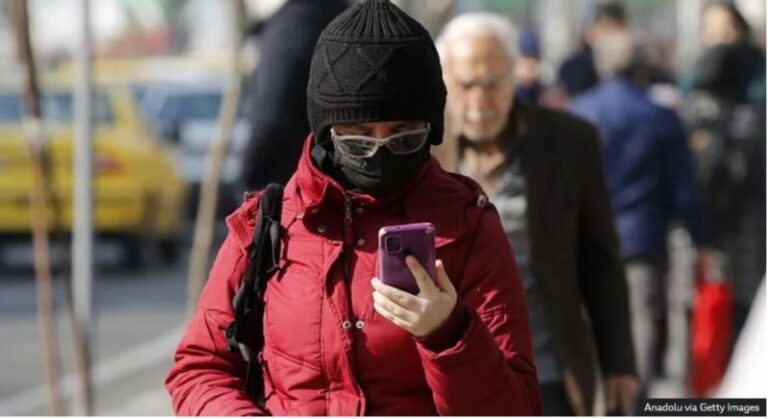
TOLOnews says Kabul’s air becomes more polluted, especially in the cold season, as a result of non-standard fuels, particularly coal, plastic, and petrol-burning vehicles, and Kabul residents are at risk of a variety of illnesses.