Head of the Council of Ulema of Tajikistan has again been included on the list of 500 most influential Muslims
The Royal Islamic Center for Strategic Studies in Amman, with the support of the Center for Muslim-Christian Understanding in Georgetown, has prepared another rating of the 500 most influential Muslims in the world. The study has been published annually since 2009.
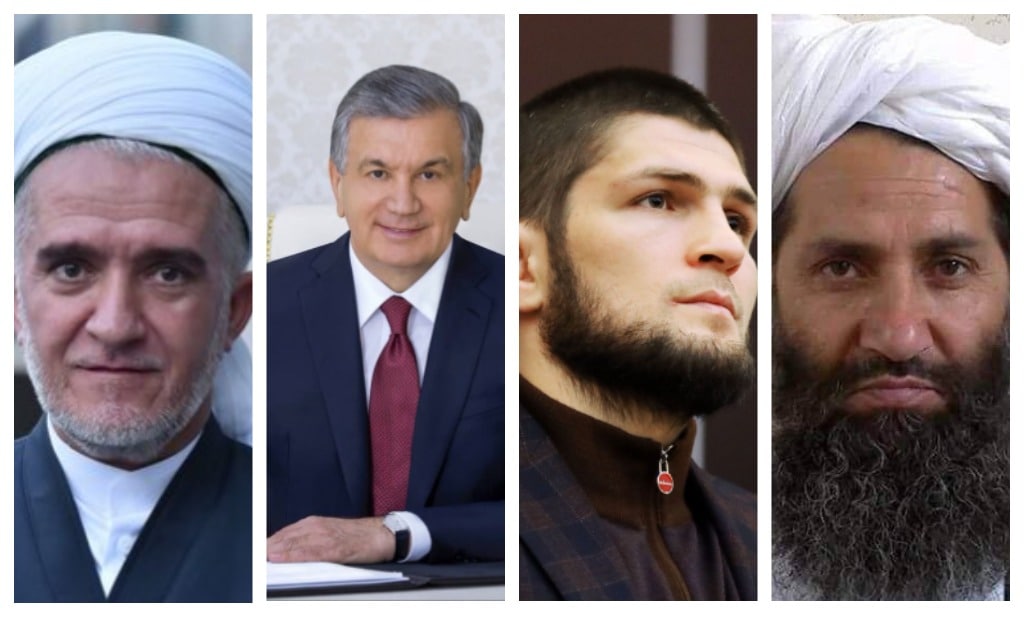
From Tajikistan, The Muslim 500-2023 rating, which was published last month, included only the head of the Council of Ulema of Tajikistan Saidmukarram Abdulkodirzoda.
As far as Tajik President Emomali Rahmon is concerned , who was included on the list of 500 most influential Muslims seven times from 2015 to 2021, was not included on the list this year.
His Highness the Aga Khan, the 49th hereditary Imam (Spiritual Leader) of the Shia Imami Ismaili Muslims, is ranked in the top 50 (on the 29th line).
Taliban leader Mullah Haibatullah Akhundzada is ranked 49th. He was named Taliban leader in 2016 after a US drone strike killed the previous leader Mullah Akhtar Mohammad Mansour
Saidmukarram Abdulkodirzoda is on the list of the next 450 persons (listed 146th).
Uzbek President Shavkat Mirziyoyev and Kazakh President Kassym-Jomart Tokayev are also on the list of the next 450 persons, listed 139th and 183rd, respectively.
The top spot went back to the King of Saudi Arabia Salman ibn Abdul-Aziz. Iran's top leader from 1989 to the present Ayatollah Sayyid Ali Khamenei and Emir of Qatar Shaikh Tamim bin Hamad Al-Thani are also ranked in the top 3.
There are 1.94 billion Muslims in the world today, making up approximately a quarter of the world’s population. As well as being citizens of their respective countries, they also have a sense of belonging to the ‘ummah’, the worldwide Muslim community
This publication sets out to ascertain the influence some Muslims have on this community, or on behalf of the community. Influence is: any person who has the power (be it cultural, ideological, financial, political or otherwise) to make a change that will have a significant impact on the Muslim world or Muslims.
The Top 50 individuals are ranked and listed first. The remaining 450 names are then listed (not ranked) in categories of influence, with a small number also chosen to be in the Honorable Mentions section to value the notable contributions made in their fields.