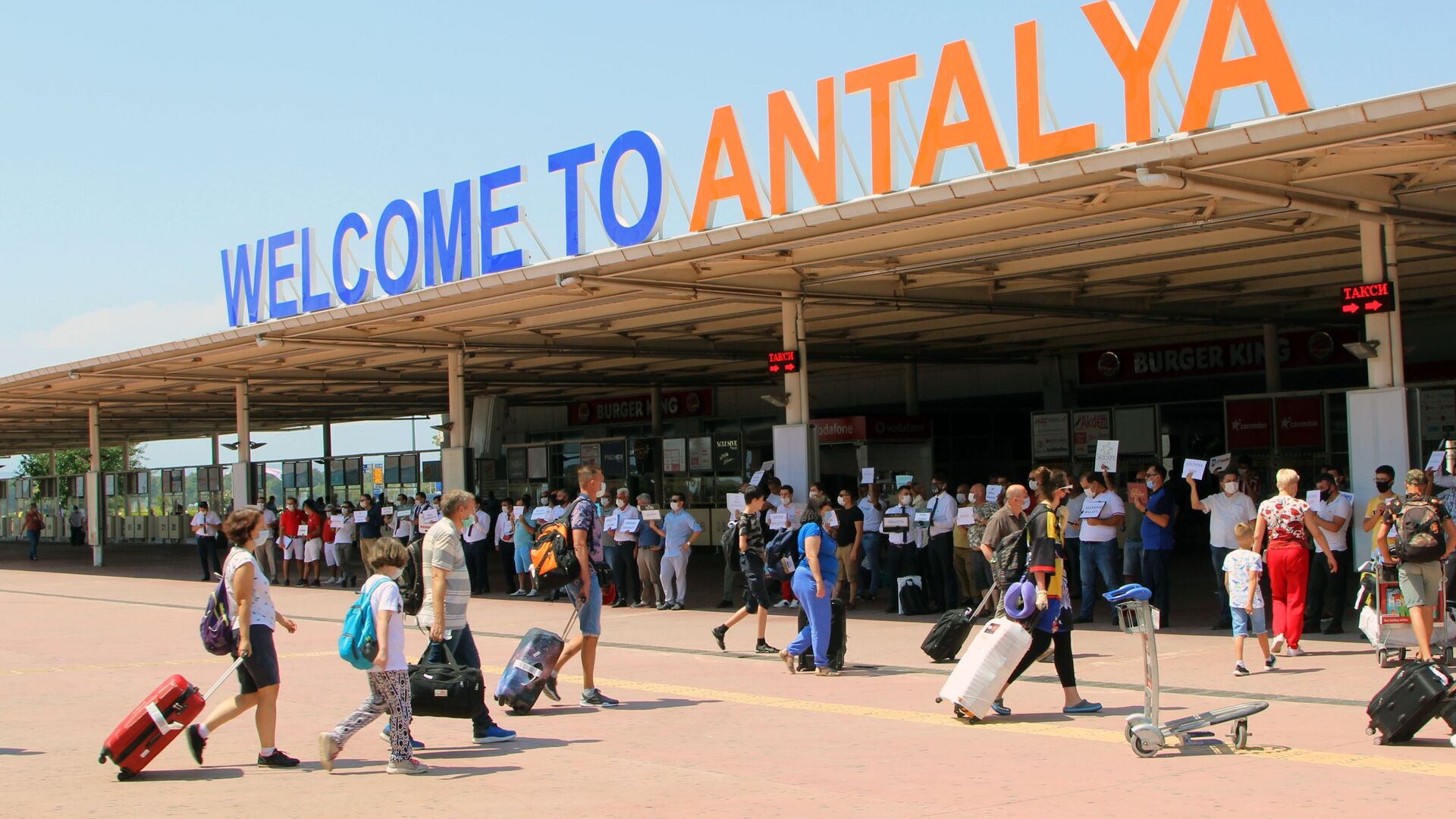
Tourists in Turkiye will be charged with a 2.0-percent accommodation tax starting on January 1, 2023.
Turkish media reports say the accommodation tax will be levied on persons living in hotels, holiday villages, boutique hotels, motels, boarding houses, villages, highland homes, and campsites. Public gust houses, recreation centers, and camps are also subject to the tax
Turkish Resmi Gazete says the accommodation tax will be collected by the hotels themselves and other accommodation facilities.
When making an organized tour, the accommodation tax may be included by the tour agencies in a travel voucher.
Meanwhile, students in student residences, hostels, and camps are exempt from paying the accommodation tax.
Representatives of diplomatic missions and international organizations possessing diplomatic status are also exempt from paying the accommodation tax.
Duvar online news portal says the relevant regulation was in fact published in 2019, but its effective date has been postponed since then and it will enter into force on January 1, 2023.
A source in the Union of Hoteliers of Turkiye told TASS that almost all hotels, especially in resort areas, are ready to work in new conditions, and there is nothing unusual in this. According to him, booking services are also adapting to it.
“All the work should be completed now, the General Directorate of Taxes and Duties of Turkiye will exercise strict control over the implementation of the decision on the collection of residence tax,” the source said.
Representatives of the Turkish tourism industry have previously opposed the introduction of the accommodation tax. They noted that this could weaken the competitive position of the country, which, unlike many others, had not previously collected such fees.
Report news agency says that according to Minister of Culture and Tourism Mehmet Nuri Ersoy, by the end of the current year, the country expects 51.5 million tourists. Tourism revenue is projected at US$46 billion. Turkiye reportedly hopes to receive 60 million tourists next year.
Accommodations tax means the municipal accommodations tax of the City on the furnishing of rooms or accommodations by any person, partnership, association, corporation, estate, representative capacity or any other combination of individuals by whatever name known to a person who for a consideration uses, possesses, or has the right to use or possess any room in a hotel, inn, bed and breakfast residence, apartment hotel, lodging house, motor hotel, guest house, guest ranch, trailer coach, mobile home, auto camp, or trailer court and park, or similar establishment, for a period of less than thirty days under any concession, permit, right of access, license to use, or other agreement, or otherwise, at such rate and on such terms as conditions as prescribed in the Code.