The electricity rate for the Tajik Aluminum Company, which operates the Tajik aluminum smelter, has been raised by 64 percent.
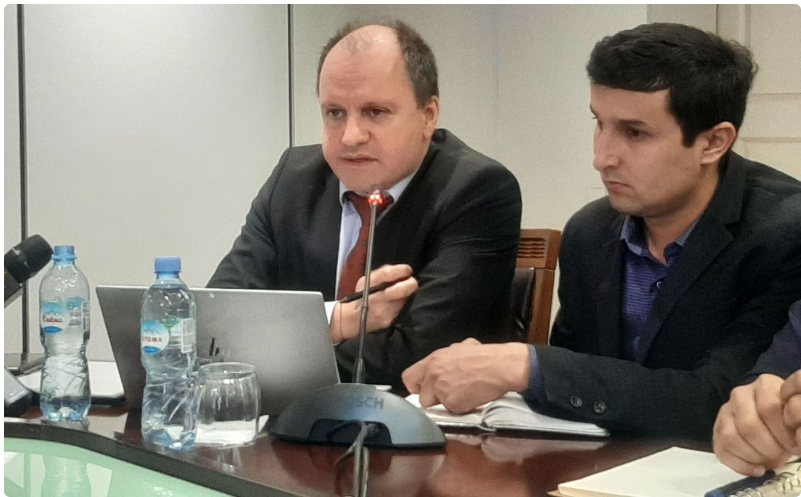
The head of the Open Joint-Stock Company (OJSC) Electricity Distribution Networks, Ivailo Stoyanov, remarked this at a news conference in Dushanbe today.
According to him, the company has payed 15.57 dirams per 1 kWh of electricity from January 1 this year.
Before that, TALCO had paid for electricity on average at the rate of 9.5 dirams per 1 kWh ( 7.2 dirams per kilowatt hour in the spring-summer period and 11.8 dirams in the autumn-winter period).
“Starting from January 1, this year, the company pays for electricity at the single rate of 15.57 dirams per 1 kWh all year round,” Mr. Stoyanov noted.
He said the electricity rate has been raised, first of all, in order to eliminate subsidies for some consumers at the expense of others.
It is to be noted that the electricity rate for TALCO has remained unchanged for the last decade, while for other categories of electricity consumers, it has been raised on average by 15 percent regularly.
For the last time, the Tajik authorities raised electricity tariffs on October 1 last year for all categories of consumers, with the exception of TALCO.
Thus, current prices for 1 kWh of electricity are 26.51 dirhams for federally funded institutions, including public utilities and sports complexes, 60.65 dirams for industrial enterprises, 9.2 dirams for pumping stations for mechanized irrigation and repair-and-production bases of the Agency for Land Reclamation and Irrigation under the Government of Tajikistan for period from April 1 to September 30 and 26.25 dirams for them for the period from October 1 to March 31, and 9.2 dirams for vertical drainage wells and land reclamation pumping stations
The Tajik Metallurgical Plant now pays 10.64 dirams per 1 kWh during the period from May 1 to September 30 and 60.65 dirams per 1 kWh during the period from October 1 to April 30.
Residential customers now pay 26.51 dirhams for usage up to 10,000 kilowatt-hours, and 66.65 dirhams for usage in excess of that amount.
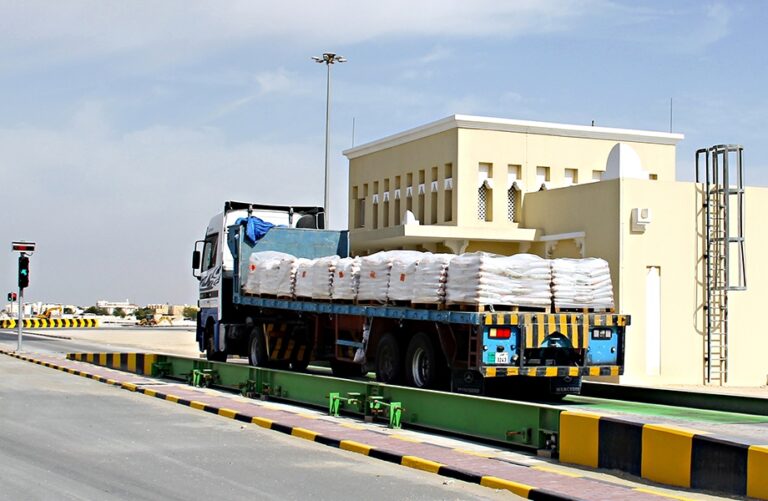
The Tajik Aluminum Company (TALCO) is one of the ten largest aluminum smelters in the world and the only aluminum producing plant in Central Asia. TALCO is wholly owned by the Tajik government. Tajikistan does not mine alumina but imports the raw material through tolling arrangements.
Construction of the Tajik aluminum plant (TadAZ) began in 1972, and the first pouring of aluminum took place on March 31, 1975. The Tajik aluminum smelter has a rated capacity of 517,000 tons of primary aluminum per year.
On April 3, 2007, TadAZ was officially renamed to TALCO – Tajik Aluminum Company.