More than 100 men of draft age prosecuted in Tajikistan last year for refusing to serve in military

In a statement delivered in the Majlisi Milli (Tajikistan’s upper chamber of parliament), Prosecutor-General Yusuf Rahmon revealed in mid-March that 108 men of draft age were prosecuted in Tajikistan last year for refusing to serve in military   Tajikistan’s Penal Code criminalizes refusal to serve in the army.  Article 343 stipulates that refusal to serve in […]

In a statement delivered in the Majlisi Milli (Tajikistan’s upper chamber of parliament), Prosecutor-General Yusuf Rahmon revealed in mid-March that 108 men of draft age were prosecuted in Tajikistan last year for refusing to serve in military  

Tajikistan’s Penal Code criminalizes refusal to serve in the army.  Article 343 stipulates that refusal to serve in military is punishable by  a fine of 500 to 1000 calculating indicators  or up to two years in jail.  

Current rate of a calculating indicator (estimate) is equal to 68.00 somonis.  

It is to be noted that the topic of drafting young people into the army not the first year has been relevant in Tajikistan.

Bad conditions, mistreatment of soldiers, brutal hazing of new recruits and death of young men in military units are called the main reasons why Tajik young men try to avoid military service.  

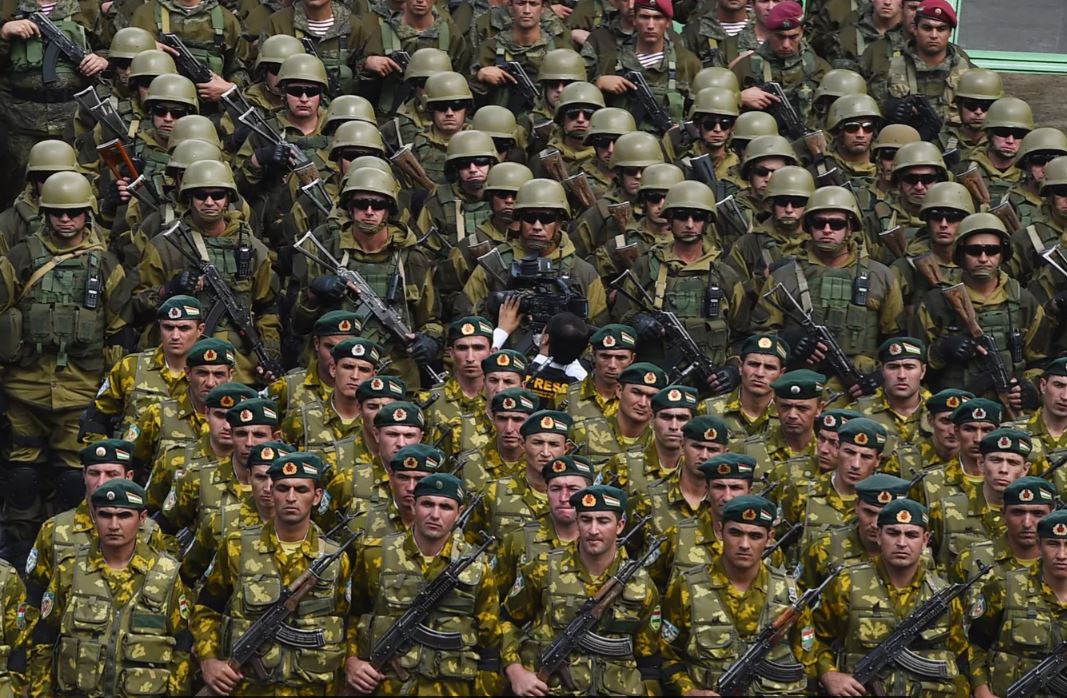
The two-month-long effort seeking to enlist young men aged 18-27 for the two-year compulsory military service takes place in Tajikistan twice a year, in the spring and in the autumn.

Young Tajiks can avoid or postpone military service if they are ill, studying at university, an only son, or if they have two children.

Many young men reportedly try to avoid conscription.  One reason is that, as in many former Soviet countries, the Tajik Army is known for the brutal hazing of new recruits.  To avoid the army, many conscript-aged men move to Russia during the twice-a-year drafts in the spring and fall.  

To fulfill conscription campaign, the Tajik authorities sometimes still use military recruitment raids.  During two months in spring (April-May) and two months in autumn (October-November), Tajik men of serving age are routinely hauled off streets or taken from their homes and forced into cars by plainclothes law enforcement officers.

A ‘hunt’ for persons of draft age, more commonly known as ‘raid’, which is sometimes used to catch young people, is a violation of the law.  The Tajik authorities do not admit the use of raids, but ordinary citizens and analysts repeatedly expressed concern about the forced recruitment of young people, and other illegal methods used in recruiting campaigns. 
Join us on social media!

Article translations:

Related Article

Tenisi
Оби зулол
Оби зулол

Most Read

Коммерсбонк Точикистон

Recent Articles

The US struck military facilities in Iran. Trump expressed dissatisfaction with Tehran’s proposals and threatened Oman.

Earlier, Iran's state TV reported receiving a draft unofficial framework agreement between Tehran and Washington to settle the conflict.

How much did Tajikistan’s budget earn from the “Google tax”?

The law is already 5 years old, but the Tax Committee provided data only for the last 2 years.

The bilateral trade between Tajikistan and Iran increased by 8% in Q1 2026

Another meeting of the joint intergovernmental commission of the two countries took place in Dushanbe.

Russia and Taliban government sign military-technical cooperation agreement

The document may open up opportunities for the exchange of weapons, military technologies, and other types of defense cooperation.

“Hit with fists on the lower back and abdomen.” A teacher from Nurobod, claiming he was beaten by a student’s brother, details the attack

According to him, he is being threatened with murder, and law enforcement agencies have not yet detained the attacker.

International internet starts coming back in Iran after long shutdown 

Western media reports says Iranians ​isolated by a long...

Tajikistan listed among countries with low generative AI usage

Among the Central Asian countries, Kazakhstan has the highest rate.

Prices in Tajikistan rise almost 2% in January-April: apples, fuel, and utilities become particularly more expensive

In April, inflation was 0.6%: food products became more expensive, non-food products increased in price comparatively less, and tariffs for paid services remained unchanged.

Drought in Central Asia becoming a chronic threat, IWMI expert warns

The temperature in the region is rising faster than the global average.

Emomali Rahmon congratulates Tajikistanis on Eid al-Adha and calls for thrift

The President reminded that Idi Qurbon is not a wedding but a religious ceremony that should take place without ostentatious luxury.