Eurasianet reported on July 31 that a pair of investigative journalism outlets has reported on a Russian state-backed program designed to lure young women from developing countries, including Tajikistan, and put them to work on assembling military drones for use in the war in Ukraine.
The reports published last week by YouTube-based outlet Razvorot and online news website Protokol reportedly noted that Tajiks are favored for their ability to communicate with greater ease with the engineers of the Iranian-designed weapons.
As the outlets reported, the assembly is carried out in the Alabuga Special Economic Zone, which is located in Russia’s Tatarstan republic.
According to Eurasianet, the effort on drawing Central Asian recruits began in earnest earlier this month, when advertising was delivered through Telegram and other social media resources at aspiring students. Agitational material was also placed in high-profile media outlets in the region and is still available to view, despite revelations about the project’s involvement in propagating the invasion of Ukraine.
Targets of the advertising were promised they would through an initiative dubbed as the Alabuga Start project be able to enroll in the Alabuga Polytechnical College and do work earning them up to 52,000 rubles ($570). Would-be prospective students were further enticed with the prospect of free accommodation in a modern housing complex.
What the young women, many of them from African countries, found instead was something altogether stranger and grimmer. Protokol reported that students were pressed into team-building exercises that involved games of paintball complete with mock executions for the losing sides.
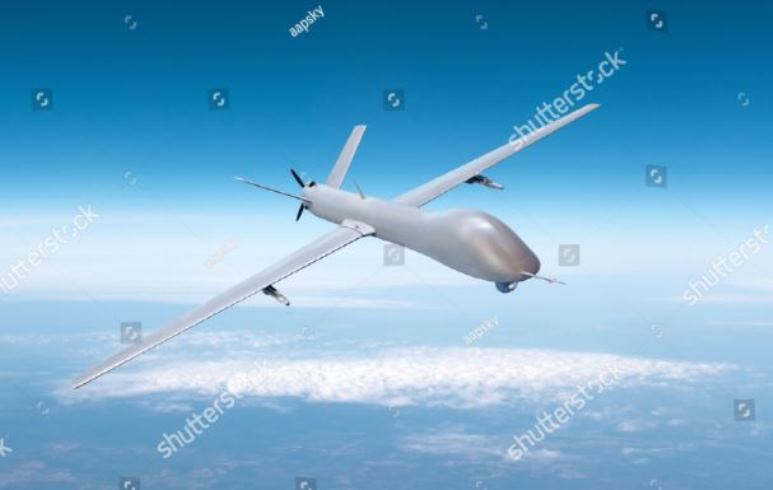
As for the work, that consisted of working in factories putting together Iranian Shahed kamikaze drones intended for use in Ukraine. Workers were reportedly forced to work around the clock, without breaks for sleep and meals, receiving only 30-40,000 rubles a month.
Participants in the program were explicitly ordered not to speak publicly about what they were doing in Alabuga and that failing to abide by this rule was punishable by a fine of up to 2 million rubles.
Students were constantly monitored by means of wiretaps and video surveillance fitted throughout the college and residential areas. Even the personal correspondence of the young women was vetted by administrators.
Complaining about working conditions or refusal to work is reportedly punishable by expulsion and the reimbursement of study fees – anywhere up to around 420,000 rubles.
Protokol said in its report that staff at Alabuga was parceled out into three categories. One by the unabashedly racist term “mulatto,” which was reserved for women from countries including Uganda, Ethiopia and Tanzania, who were mainly assigned ostensibly low-skilled tasks, such as cleaning.” The other groups were “the Tajiks,” who were required as interpreters to aid communication between Iranian and Russian technicians, and “the specialists.”