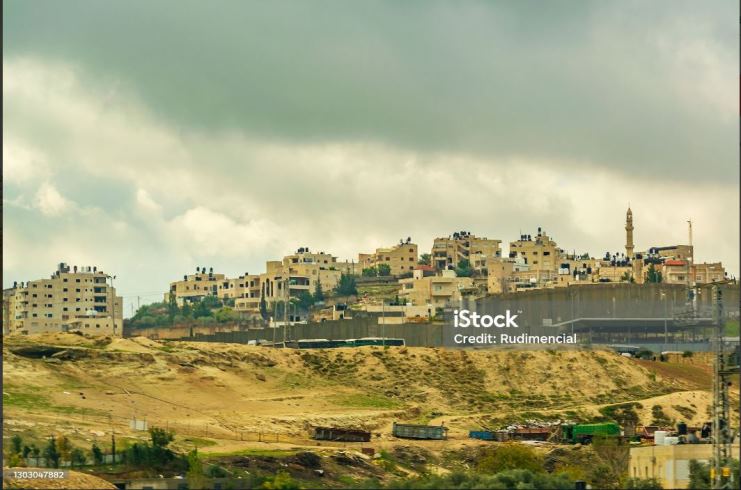
Middle East conflict raises risk to global economic outlook

An article by Eric Revell posted on FOXBusiness says conflict in the Middle East may create new risks to the global economic outlook, leaving central bankers facing renewed inflationary pressures even as they continue to deal with the economic fallout of the COVID pandemic and Russia’s invasion of Ukraine a year ago. Hamas militants struck […]

An article by Eric Revell posted on FOXBusiness says conflict in the Middle East may create new risks to the global economic outlook, leaving central bankers facing renewed inflationary pressures even as they continue to deal with the economic fallout of the COVID pandemic and Russia’s invasion of Ukraine a year ago.

Hamas militants struck Israel over the weekend, killing at least 700 in the deadliest attacks the country has experienced in decades.  Israel’s government has launched airstrikes on the Hamas-controlled Gaza Strip and is mobilizing military reservists in preparation for a response, while Hezbollah military organization based in Lebanon – has reportedly expressed support for Hamas and remains a threat on Israel’s northern border.

Fox Business notes that the prospect of broader conflict in the Middle East could add to the global instability sparked by the so-called “special military operation” launched by Russia in Ukraine nearly 20 months ago, disrupting supply chains and dragging down economic confidence around the world. 

The author says the impact would depend on the duration and intensity of the conflict, as well as whether it spreads to other parts of the region – which is home to major oil producers like Iran and Saudi Arabia plus major shipping lanes that run through chokepoints at the Strait of Hormuz, Bab-el-Mandeb, and Suez Canal.

The conflict reportedly poses a risk of higher oil prices, and risks to both inflation and the growth outlook.

Higher oil prices in particular could dim economic confidence with resurgent inflation in energy prices paid by consumers at the pump.

While falling interest rates can serve as a warning sign for a rise in inflation by encouraging consumers and businesses to borrow and spend more, the context of a new regional war in the Middle East reportedly could cause markets to draw a different conclusion in this case.
Join us on social media!

Article translations:

Related Article

Tenisi
Оби зулол
Оби зулол

Most Read

Коммерсбонк Точикистон

Recent Articles

RZD announces the restoration of passenger services between Moscow and Dushanbe

Direct rail services between the capitals of Russia and Tajikistan were suspended in March 2020 due to the COVID-19 pandemic.

#AP30/Stories. “Selam! Heller nichek?” How Tatars live today in Sughd province

On the 30th anniversary of "Asia-Plus," we continue to publish reports that remain relevant even after years. This story was told in 2021, and since then, little has changed in the life of the Tatar community in Tajikistan.

15,000 cameras, drones, and robots: how technology monitors pilgrims in Mecca and Medina

During Hajj 2026, Mecca and Medina were under unprecedented digital control.

Another child in Dushanbe removed from family and sent to boarding school

The Ministry of Internal Affairs reports that the parents did not pay adequate attention to the child.

Emomali Rahmon instructs to address issues in seed production following criticism of the industry

Issues have been noted with certification, seed quality, and the material and technical base of the industry.

Water, climate, and a $130 billion deficit: seven key outcomes of the Water Conference in Dushanbe

At the forum, countries and international organizations discussed new mechanisms for cooperation, investments, and technologies that are essential for addressing the global water crisis.

Eskhata Bank introduces a new generation children’s wallet

"Eshkata Bank" has created a full-fledged digital platform that helps children aged 7 to 16 learn how to manage money.