CABAR.asia notes that the war in Ukraine has brought issues of self-identification and national identity in Central Asian states into focus. According to researchers, decolonization issues had been discussed in the expert community previously, but it has gone beyond academic limits after the outbreak of the war. However, the degree of knowledge of the colonial past and decolonization processes in the countries of the region is very diverse and it is often the political issue.
An article by Kazakh journalist Anar Bekbassova posted on CABAR.asia’s website, in particular, notes that according to researches carried out by Central Asia Barometer, residents of Central Asian states have rather ambiguous than polarized opinions about the war.
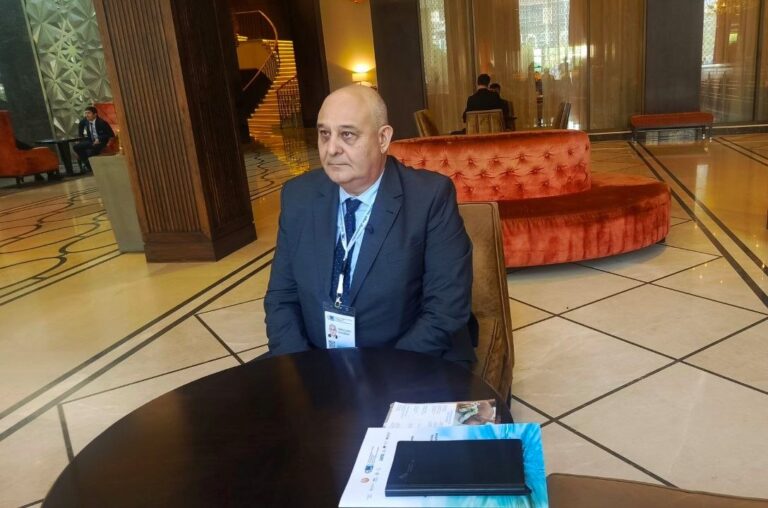
People in Kazakhstan reportedly support Ukraine more, while Kyrgyzstan supports Russia more because nearly 30 per cent blame Ukraine. However, this figure reportedly declines to 20 per cent in the last wave, and nearly 15-20 percent blame Russia,” Ms. Kasiet Ysmanova, director of Central Asia Barometer said at the Central Asian Think Tanks Forum in Astana.
According to the research, respondents supportive of Russia in the conflict keep to the pragmatic approach. People say about economic and military dependence of their countries on Russia.
Despite the fact that majority of people consume entertaining and news content provided by Russia, their pragmatism still overweighs all the ideological attempts and propaganda. People in Kyrgyzstan reportedly support Russia because they have a fear of hardcore consequences for their country.
Some experts believe that loyalty of residents in Central Asia to Russia is the result of no ideology in the period of sovereignty. The nostalgia for the Union times was reportedly fueled by the Russian propaganda on social media by videos and articles about the happy Soviet-period childhood and youth.
Despite the big attention of researchers to the decolonization processes, not all Central Asia’s nations have enough freedoms and opportunities to study them, especially in the countries with blocked access to the archives.
Tajik historian Saifullo Mullojonov said, “Here in Tajikistan, we are not used to researching and we even avoid using such words as ‘decolonial’ policy and ‘decolonialism’.”
Experts relate high loyalty of citizens to Russia not only to the efficiency of the Russian propaganda on the media, but also to hardships of researching into the colonial past, decolonization processes.
However, there are concerns about segregation and future political conflicts in Central Asia, especially amid issues of access to water or territorial disputes.