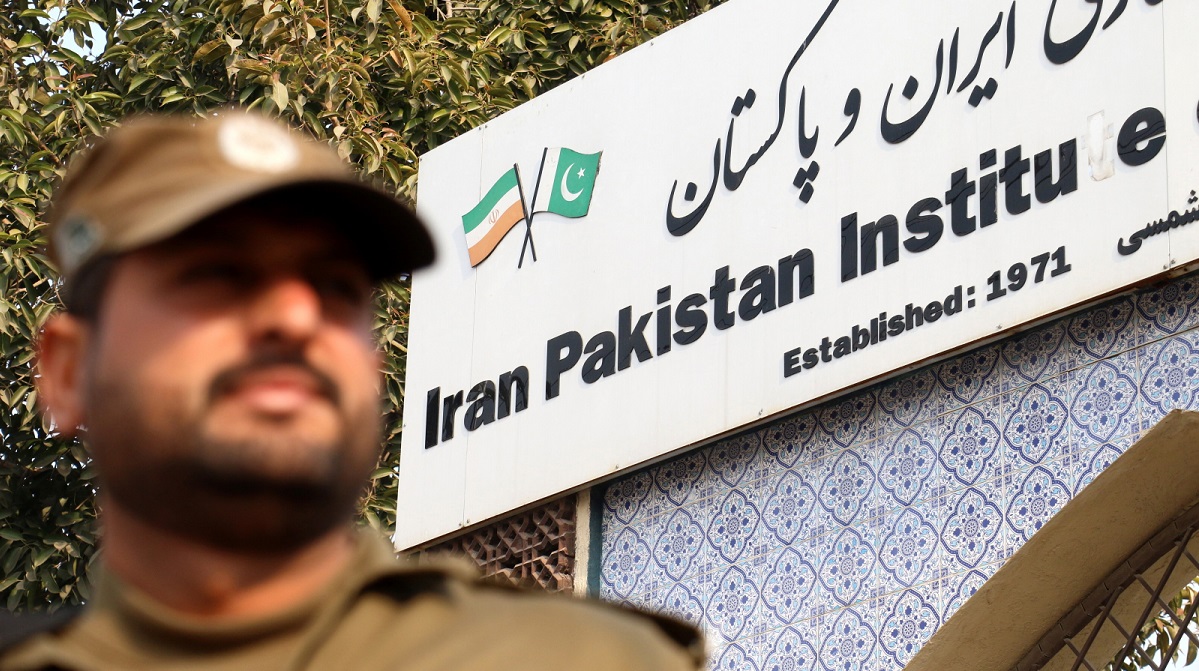
Foreign Minister Jalil Abbas Jilani held phone talks with the Foreign Minister of Iran, Hossein Amir-Abdollahian, today, Pakistan’s Ministry of Foreign Affairs reported on January 19.
Underscoring the close brotherly relations between Pakistan and Iran, the Pakistan foreign minister reportedly expressed Pakistan’s desire to work with Iran based on spirit of mutual trust and cooperation.
The foreign minister stressed that respect for territorial integrity and sovereignty must underpin this cooperation.
The top diplomats of Pakistan and Iran reportedly agreed that working level cooperation and close coordination on counter terrorism and other aspects of mutual concern should be strengthened.
They also agreed to de-escalate the situation, according to the Ministry of Foreign Affairs of Pakistan.
The return of ambassadors of the two countries to their respective capitals was also discussed.
Recall, Pakistan on January 19 launched retaliatory strikes against militants in Iran in response to attacks by Tehran that targeted sites within Pakistan’s borders, heightening fears of further instability across the Middle East and surrounding region.
A statement released by Pakistan’s foreign ministry on January 18 says Pakistan “undertook a series of highly coordinated and specifically targeted precision military strikes against terrorist hideouts in Siestan-o-Baluchistan province of Iran. A number of terrorists were killed during the Intelligence-based operation – codenamed Marg Bar Sarmachar”.
The statement says Pakistan fully respects the sovereignty and territorial integrity of the Islamic Republic of Iran and the sole objective of the act “was in pursuit of Pakistan’s own security and national interest which is paramount and cannot be compromised.”
Tehran said nine people, including seven women and children, were killed in those attacks.
A statement released by the Iranian foreign ministry on January 18, in particular, says, “The security of the people and the territorial integrity of the country are considered Iran's red lines. Iran expects its friendly and brotherly neighbor, Pakistan, to adhere strongly to its commitments in preventing the establishment of bases and groups of armed terrorists on Pakistani soil.”
The statement emphasizes that the Islamic Republic of Iran differentiates between Pakistan's friendly and brotherly government and armed terrorists. The Islamic Republic of Iran reportedly always adheres to its policy of good neighborliness and does not allow its enemies and terrorist allies to strain these relations.