Uzbekistan president wants to turn Tashkent into ‘the city for pedestrians’

Uzbekistan President Shavkat Mirziyoyev has announced a groundbreaking project to overhaul Tashkent's traffic system, focusing on pedestrian safety and efficient public transport, according to the Uzbek president’s official website. Under President’s directive, the project's overarching goal is to fully embrace the 'city for pedestrians' principle.  This vision reportedly includes expanding the project's scope beyond the […]

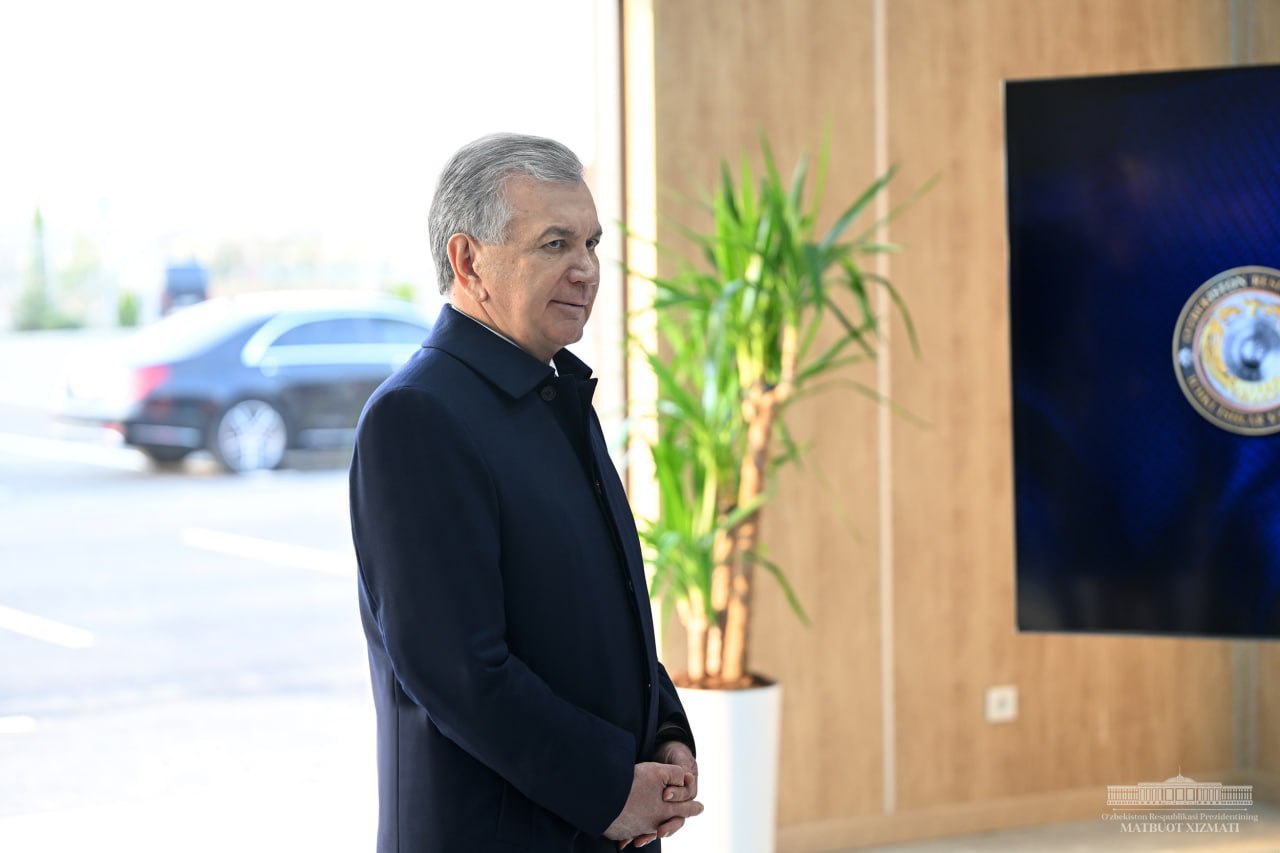
Uzbekistan President Shavkat Mirziyoyev has announced a groundbreaking project to overhaul Tashkent's traffic system, focusing on pedestrian safety and efficient public transport, according to the Uzbek president’s official website.

Under President’s directive, the project's overarching goal is to fully embrace the 'city for pedestrians' principle.  This vision reportedly includes expanding the project's scope beyond the pilot intersection, ensuring that the entire city of Tashkent benefits from improved traffic flow and safety measures.  

By prioritizing pedestrian safety and public transport, Tashkent is set to become a model for urban mobility in the Central Asian region.

The project's pilot phase at the intersection of Bobur and Furkat streets has reportedly already seen the installation of safety islands for pedestrians and traffic light control devices at pedestrian crossings.  These modifications are part of a broader strategy to make public transport stops more accessible and efficient for users.

The successful implementation of smart traffic solutions and pedestrian safety measures at a major intersection heralds a new era for Tashkent's urban planning. With plans to expand these initiatives across the city, residents can look forward to a safer, more efficient, and environmentally friendly transportation system. The project aligns with global trends towards sustainable urban mobility and places Tashkent on the map as a city committed to improving the quality of life for its inhabitants through innovative traffic management and environmental conservation efforts.

As Tashkent moves towards realizing its vision of becoming a pedestrian-friendly city, the implications for urban development and mobility are profound. This initiative not only promises to enhance the daily lives of the city's residents but also sets a benchmark for other cities aiming to tackle the challenges of urban congestion and pedestrian safety. 

Join us on social media!

Article translations:

Related Article

Оби зулол
Оби зулол
Tenisi

Most Read

Коммерсбонк Точикистон

Recent Articles

RZD announces the restoration of passenger services between Moscow and Dushanbe

Direct rail services between the capitals of Russia and Tajikistan were suspended in March 2020 due to the COVID-19 pandemic.

#AP30/Stories. “Selam! Heller nichek?” How Tatars live today in Sughd province

On the 30th anniversary of "Asia-Plus," we continue to publish reports that remain relevant even after years. This story was told in 2021, and since then, little has changed in the life of the Tatar community in Tajikistan.

15,000 cameras, drones, and robots: how technology monitors pilgrims in Mecca and Medina

During Hajj 2026, Mecca and Medina were under unprecedented digital control.

Another child in Dushanbe removed from family and sent to boarding school

The Ministry of Internal Affairs reports that the parents did not pay adequate attention to the child.

Emomali Rahmon instructs to address issues in seed production following criticism of the industry

Issues have been noted with certification, seed quality, and the material and technical base of the industry.

Water, climate, and a $130 billion deficit: seven key outcomes of the Water Conference in Dushanbe

At the forum, countries and international organizations discussed new mechanisms for cooperation, investments, and technologies that are essential for addressing the global water crisis.

Eskhata Bank introduces a new generation children’s wallet

"Eshkata Bank" has created a full-fledged digital platform that helps children aged 7 to 16 learn how to manage money.