The official website of the State Council of China says China and the five countries of Central Asia are creating a mechanism to improve responses to natural disasters.
The heads of emergency management agencies for all six nations reportedly signed a memorandum of understanding (MoU) on the establishment of the mechanism during a ministerial meeting in Urumqi, the capital of northwest China's Xinjiang Uygur Autonomous Region (XUAR), on May 30.
The six countries also approved an action plan for emergency management cooperation for 2024-2026 and announced the creation of a working group for China-Central Asia emergency management.
The mechanism will serve as a new platform for deepening mutually beneficial and practical cooperation among the six countries, China's Ministry of Emergency Management (MEM) was quoted as saying.
China stands ready to strengthen communication and coordination with the five Central Asian nations for emergency management to contribute to building a closer China-Central Asia community with a shared future, the ministry added, according to the website.
Tajikistan’s state-run news agency Khovar reported in early June that Chairman of the Emergencies Committee under the Government of Tajikistan, Rustam Nazarzoda, lauded the agreement, saying it will “help deepen integration processes and expand cooperation in the field of disaster risk reduction.”
A report published by the official Chinese news agency Xinhua states that over the past year, as part of the China-Central Asia emergency management cooperation, the Chinese side has held a number of events, including forums of high-level think tanks on emergency management, workshops on improving industrial safety, and exchanges of experience in the field of preventing security risks.
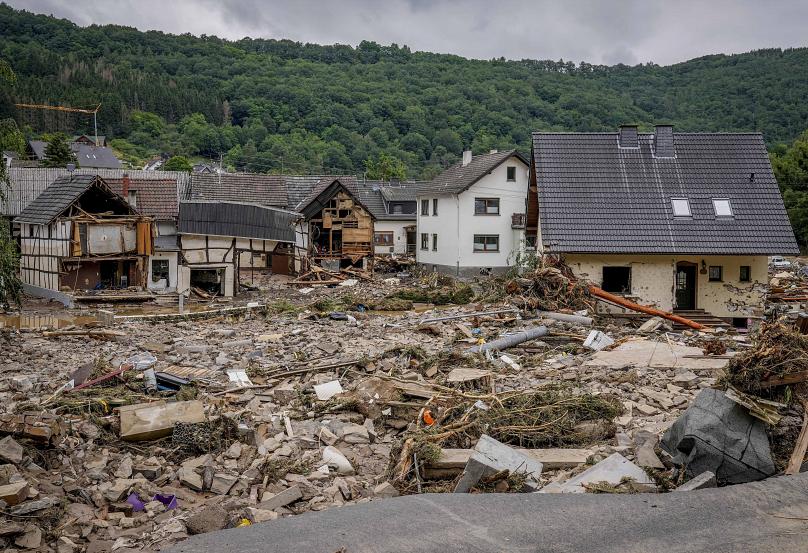
All of the six countries face comparatively high risks of natural disasters such as earthquakes, floods, and forest and grassland fires, as well as the daunting task of ensuring economic development and defusing major risks.
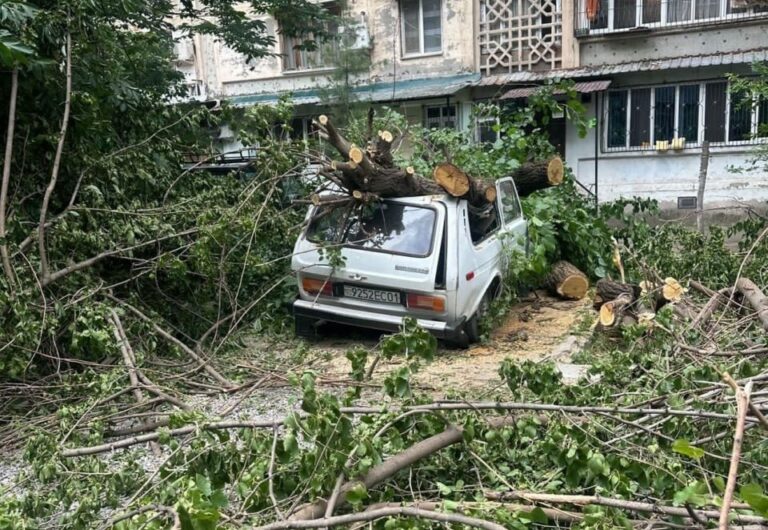
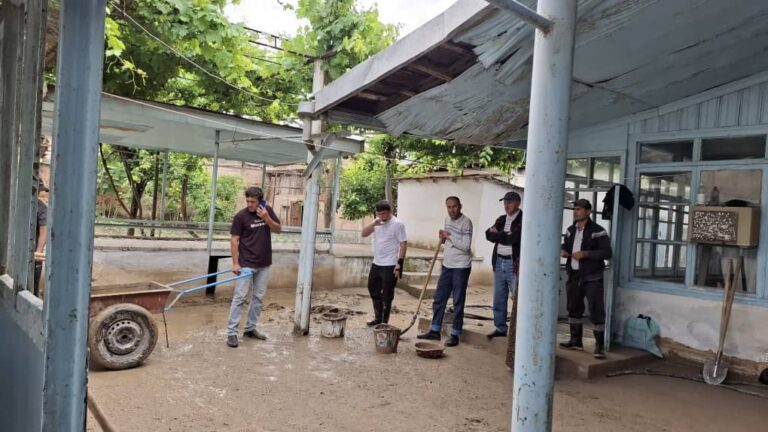
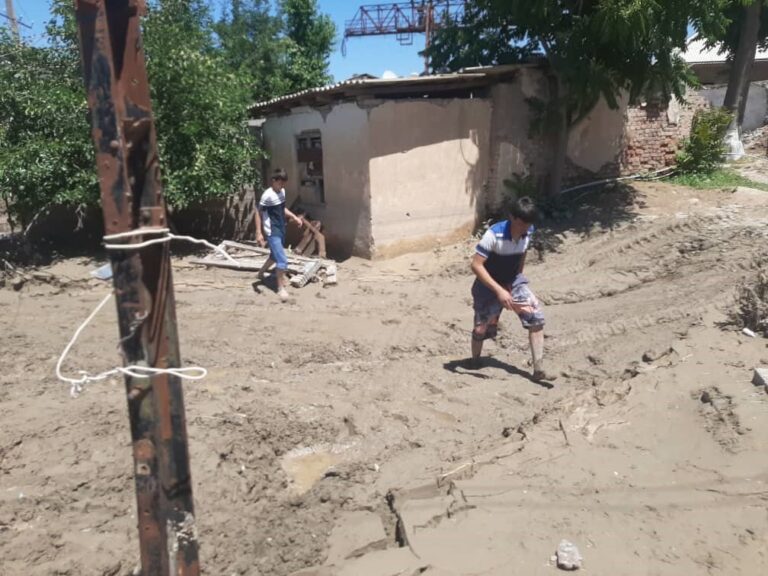
Central Asia is a region highly exposed to natural hazards, especially floods, earthquakes and landslides. Earlier this year, flooding across the Central Asian region reportedly displaced tens of thousands of citizens and caused extensive property damage.
Tajikistan is a mountainous country with diverse topography and is especially vulnerable to climate hazards. It is prone to earthquakes, floods, drought, avalanches, landslides and mudslides.