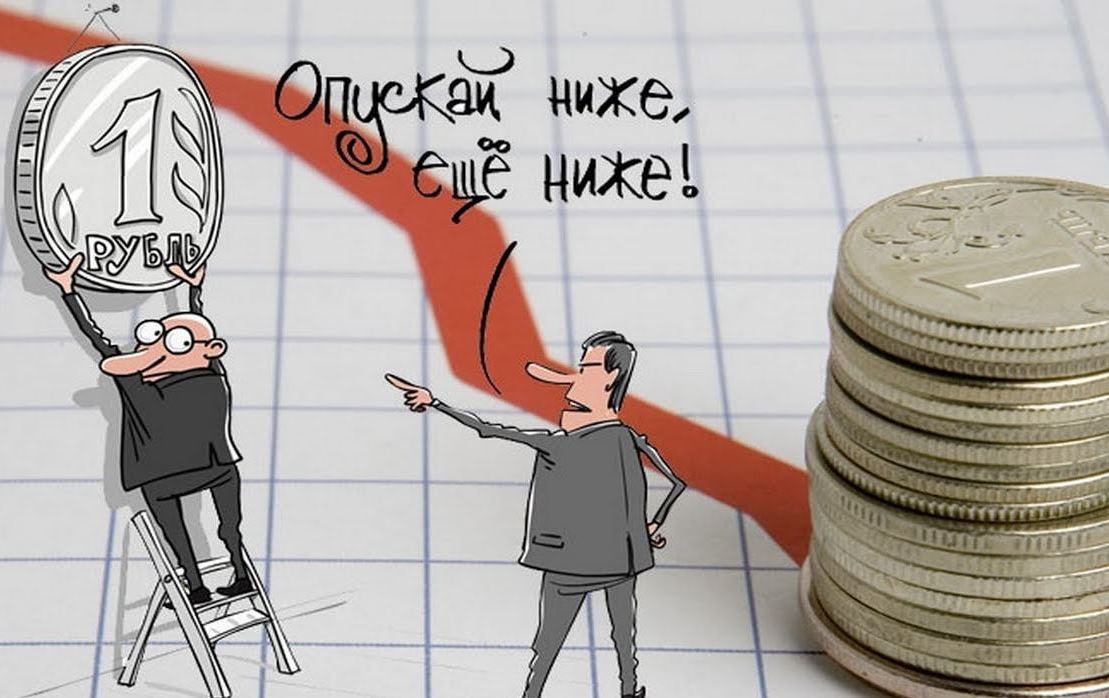
The official exchange rate of the Russian ruble to the Tajik national currency, the somoni, set daily by the National Bank of Tajikistan (NBT), has fallen from 1:0.1147 on September 27, 2024, to 1:01093 as of October 10.
The ruble-to-somoni exchange rate last stood at a similar level—1:0.1092—exactly a year ago, on October 9, 2023.
Since the beginning of 2024, the ruble has depreciated by 10.2% against the somoni, dropping from 1:0.1217.
The two-week decline is occurring alongside the depreciation of the ruble against the US dollar. According to the Central Bank of Russia, the ruble's exchange rate against the dollar dropped by 4.9% during this period, from 92.41:1 on September 27 to 96.95:1 on October 10.
This ruble devaluation directly affects the already limited incomes of families of Tajik labor migrants working in Russia. Two weeks ago, remittance recipients received 114 somoni for every 1,000 rubles sent, but now that amount has dropped to 109 somoni. Compared to the start of the year, when the exchange rate was 120-121 somoni per 1,000 rubles, the difference is even more significant.
According to data from the Russian Interior Ministry, there are approximately 1.5 million Tajik citizens living and working in Russia.
According to the World Bank, remittances to Tajikistan in 2023 reached US$5.7 billion, a 6.6-percent increase from 2022, with over 90% of the remittances being sent in rubles.
Tajikistan’s national financial regulator reports that trade settlements with Commonwealth of Independent States (CIS) member nations in rubles increased to 60% by mid-2024, while the share of dollar-based transactions fell to 36%. This is a marked shift from three years ago, in June 2021, when 66.4% of trade was conducted in dollars and only 30.5% in rubles.
Five reasons for the ruble's weakening
According to analysts at "BCS World of Investments," as cited by vbr.ru, five main factors are driving the ruble’s depreciation:
- Falling oil prices: Although oil prices have recently risen, with Brent crude trading around US$80 per barrel on the London ICE exchange, they were lower in the preceding weeks. Lower oil prices reduce foreign currency inflows from exporters, leading to a weaker ruble.
- Resumption of foreign currency payments for imports: Following US sanctions on the Moscow Exchange, difficulties arose in payments for imported goods. Although this problem has eased, the increased demand for foreign currency has driven up its value.
- Shortage of yuan in the Russian market: Banks in Russia are actively issuing loans in yuan, while the public is hesitant to open deposits in the currency. Moreover, purchasing yuan on the Moscow Exchange is problematic due to sanctions. With currency swaps with the Bank of Russia limited, banks are forced to buy yuan off-exchange, increasing demand and pushing up the yuan’s value.
- Limited foreign currency sales by the Bank of Russia: In September, the Bank of Russia sold only 200 million rubles worth of foreign currency, compared to 7.3 billion rubles in August and 5.3 billion rubles in October.
- Reduced foreign currency revenue sales by exporters: The government relaxed requirements for exporters to sell foreign currency revenue in the summer of 2024. This, combined with other factors, has contributed to the ruble's weakening.
This decline in the ruble's value is a cause of concern, especially for Tajik families reliant on remittances from Russia, as their incomes continue to shrink.