Kyrgyzstan plans to ban the erection of monuments in Muslim сcemeteries

The Kyrgyz president’s official website says the President of Kyrgyzstan, Sadyr Japarov, has signed a decree on measures to implement the law “On Burial and Funeral Services”. The decree recommends that the Spiritual Administration of Muslims (SAM) of Kyrgyzstan issue a fatwa (ruling) prohibiting the construction and installation of monuments, statues, gravestones, and fences made […]

The Kyrgyz president’s official website says the President of Kyrgyzstan, Sadyr Japarov, has signed a decree on measures to implement the law “On Burial and Funeral Services”.

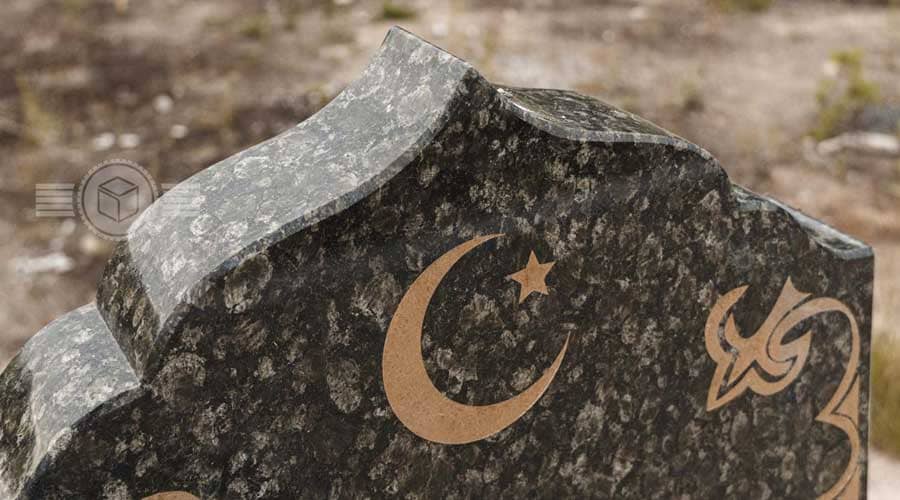
The decree recommends that the Spiritual Administration of Muslims (SAM) of Kyrgyzstan issue a fatwa (ruling) prohibiting the construction and installation of monuments, statues, gravestones, and fences made of stone, granite, marble, metal, and combinations of these materials in Muslim cemeteries. Exceptions may be made for burials of historical and cultural significance.

"According to Sharia, it is forbidden for a Muslim to erect expensive stones and place photos on the grave, fence it with iron barriers, or use cement and concrete.  Such practices do not help the deceased. On the contrary, the use of fired materials and the construction of roofs over the grave cause the soul of the deceased to suffer," President Japarov told the Kabar news agency in an interview in July this year, according to Fergana.

Japarov urged his fellow citizens to stop installing monuments made of metal and stone in cemeteries.

According to the decree, gravestones and fences should be made from wooden materials and should not exceed 0.7 meter in height.  

The president believes these measures will help prevent wastefulness in the construction of gravestones.

The SAM, the State Commission on Religious Affairs, the plenipotentiary representatives of the president in the regions, local authorities, and several other bodies are tasked with conducting ongoing informational and explanatory work among the population regarding burial practices.

The State Agency for Architecture, Construction, and Housing and Utilities has been tasked with developing and approving, within three months, urban planning documentation and standard regulations (instructions) governing ecological and sanitary requirements for the placement, design, maintenance, and management of cemeteries, the dimensions of gravestones, and the requirements for materials used for their construction and installation.
 

Join us on social media!

Article translations:

Related Article

Tenisi
Оби зулол
Оби зулол

Most Read

Коммерсбонк Точикистон

Recent Articles

RZD announces the restoration of passenger services between Moscow and Dushanbe

Direct rail services between the capitals of Russia and Tajikistan were suspended in March 2020 due to the COVID-19 pandemic.

#AP30/Stories. “Selam! Heller nichek?” How Tatars live today in Sughd province

On the 30th anniversary of "Asia-Plus," we continue to publish reports that remain relevant even after years. This story was told in 2021, and since then, little has changed in the life of the Tatar community in Tajikistan.

15,000 cameras, drones, and robots: how technology monitors pilgrims in Mecca and Medina

During Hajj 2026, Mecca and Medina were under unprecedented digital control.

Another child in Dushanbe removed from family and sent to boarding school

The Ministry of Internal Affairs reports that the parents did not pay adequate attention to the child.

Emomali Rahmon instructs to address issues in seed production following criticism of the industry

Issues have been noted with certification, seed quality, and the material and technical base of the industry.

Water, climate, and a $130 billion deficit: seven key outcomes of the Water Conference in Dushanbe

At the forum, countries and international organizations discussed new mechanisms for cooperation, investments, and technologies that are essential for addressing the global water crisis.

Eskhata Bank introduces a new generation children’s wallet

"Eshkata Bank" has created a full-fledged digital platform that helps children aged 7 to 16 learn how to manage money.