This week saw a series of announcements from Russian regional authorities implementing prohibitions on hiring foreign workers in various industries.
Kommersant reports that in Irkutsk oblast, Governor Igor Kobzev has signed a decree that restricts foreign citizens with work patents from working in several major sectors. These changes, set to take effect in 2025, will impact industries such as passenger transportation, retail, and education.
The Insider says similar restrictions have been announced in the Omsk region. According to the governor's decision, migrants will be prohibited from working in sectors like taxi services, regular passenger transportation, food and alcohol retail, forestry, and pharmaceutical production. These measures are expected to negatively affect the economy, as a significant portion of workers in these industries are migrants.
Meanwhile, in Saint Petersburg, the local government rejected a proposal to ban migrants from working in the transport sector. Members of the city’s permanent transport commission argued that such restrictions could harm city enterprises, where many foreigners are employed, according to RIA Novosti.
A bill proposing restrictions on migrants' employment in specific industries, including transportation, is scheduled for discussion in the lower house of parliament in November 2024. During a recent commission meeting, lawmakers expressed concerns that banning migrants from certain industries could disrupt the operations of city businesses and organizations heavily reliant on foreign labor.
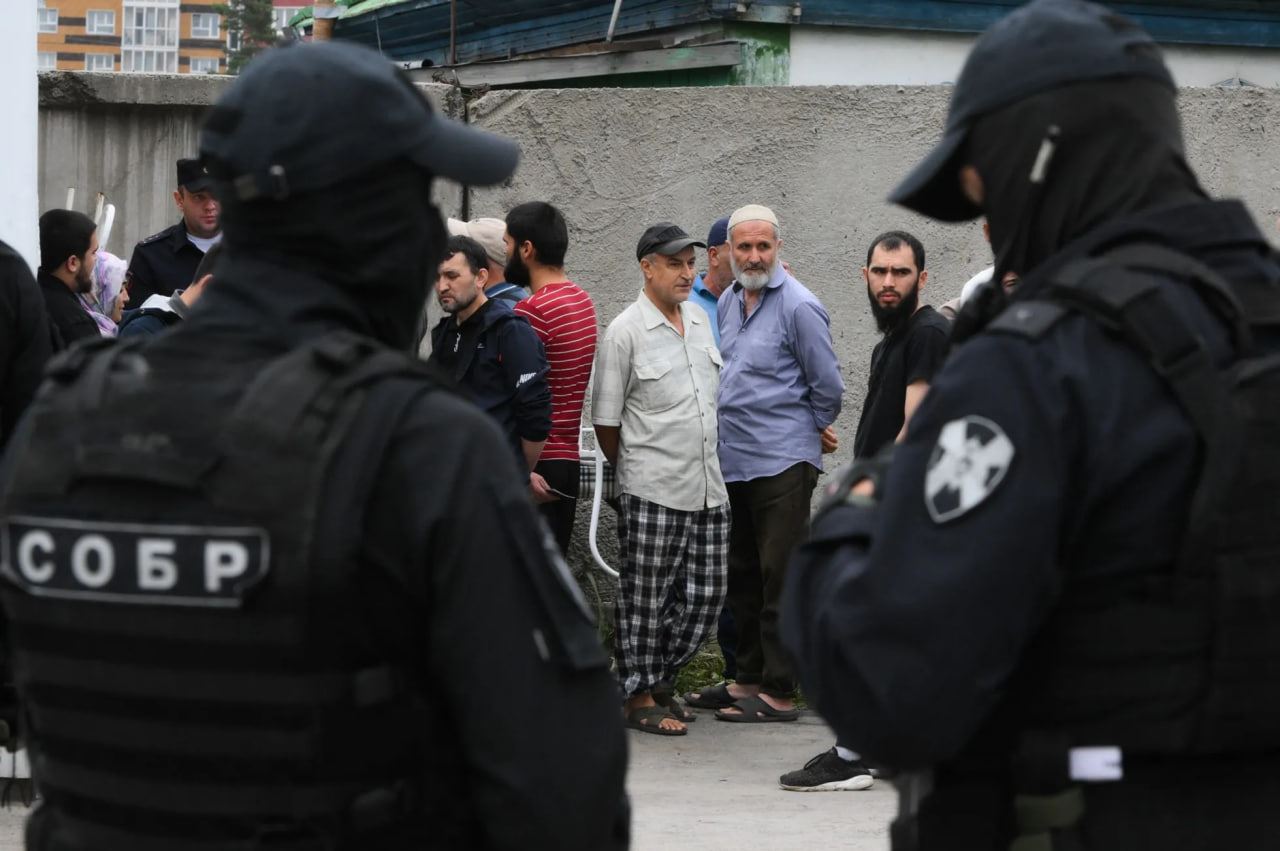
It is important to note that more than 10 other regions, including Novosibirsk, Samara, Tula, Magadan, and Chelyabinsk, have already imposed similar employment bans on foreign citizens.
Central Asian migrant workers and visitors have reportedly faced increased scrutiny from Russian authorities following a deadly terrorist attack at an entertainment center near Moscow in March that left more than 140 people dead and hundreds injured. Russia arrested more than 20 suspects, mostly from Tajikistan.
Meanwhile, some experts note that previous terrorist acts involving Central Asians did not lead to such an anti-migrant campaign. According to them, more likely, the issue lies in how the invasion of Ukraine has normalized a higher level of brutality and aggression in Russia. Many ultra-patriots, Z-bloggers, neo-Nazis, and war correspondents have risen to prominence, making xenophobic and hateful statements, including against migrants, commonplace.