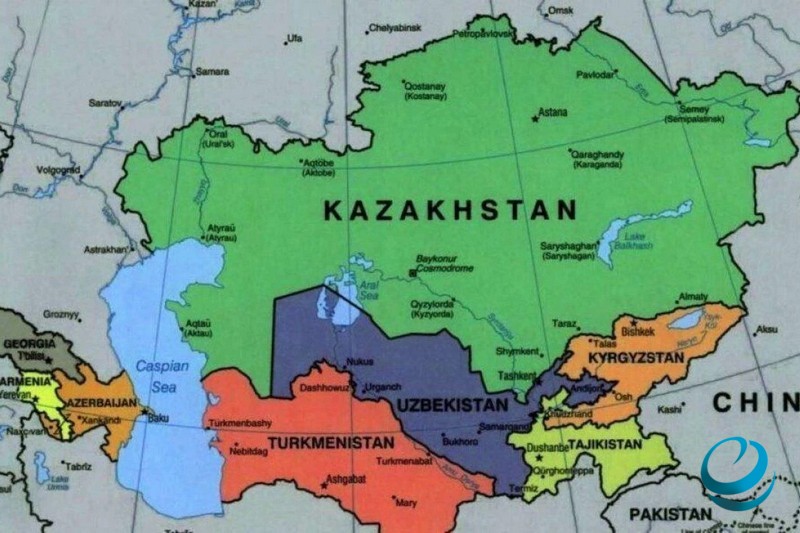
On October 24, the UN General Assembly adopted a resolution titled "Zone of Peace, Trust, and Cooperation of Central Asia," introduced by Turkmenistan on behalf of the region's countries, according to the UN News Center.
The resolution was reportedly co-sponsored by 37 countries, including Azerbaijan, Armenia, Belarus, India, Iran, China, Russia, and Turkiye.
Turkmenistan’s Ambassador to the UN, Ms. Aksoltan Atayeva, highlighted the importance of recognizing Central Asian countries as a zone of peace, noting that this designation establishes a unique international legal status similar to existing peace zones in other regions, such as the South Atlantic, the Indian Ocean, Latin America, and the Caribbean.
The UN News Center notes that during the General Assembly session, it was emphasized that the establishment of a peace zone in Central Asia has been made possible through a solid institutional and legal foundation for multilateral cooperation in the region. This foundation includes regular Consultative Meetings of Central Asian heads of state, the 2006 Treaty on a Nuclear-Weapon-Free Zone in Central Asia, the establishment of the UN Regional Center for Preventive Diplomacy for Central Asia in December 2007, and platforms to facilitate regional dialogue on key cooperation areas.
The resolution reportedly underscores Central Asian countries' role in strengthening the global architecture for non-proliferation and disarmament and in advancing preventive diplomacy and peacekeeping.
Ms. Atayeva emphasized that the countries in the region view stability within the Zone of Peace, Trust, and Cooperation through the interdependence of all aspects of interaction: political, economic, environmental, food, and humanitarian.
She reportedly also highlighted the region’s active cultural diplomacy, citing the International Forum "Connection of Times and Civilizations—Foundation of Peace and Development," held on October 11 in Ashgabat, which honored the 300th anniversary of the Turkmen poet Makhtumkuli Fraghi.