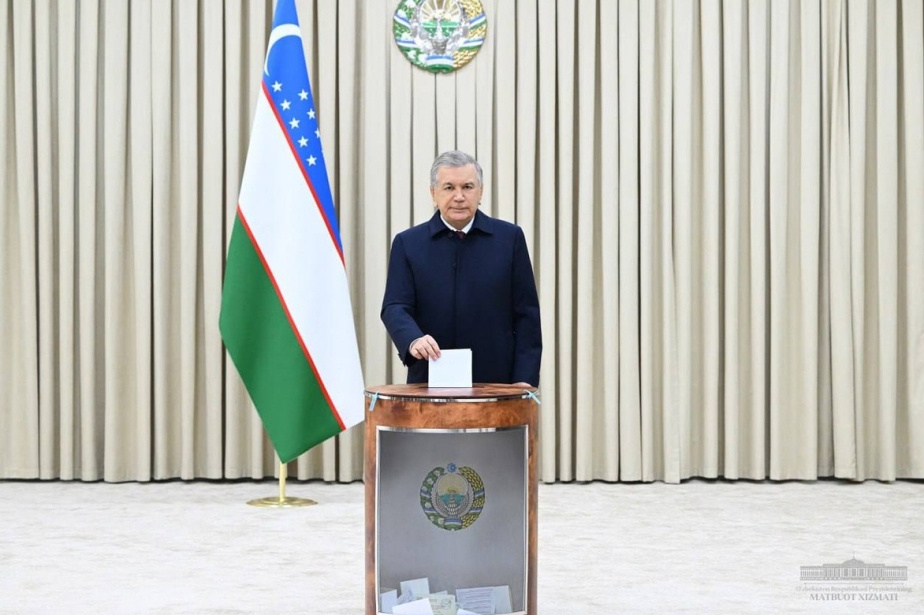
On October 27, Uzbekistan held elections for the Legislative Chamber of the Oliy Majlis (Parliament) and local kengashes (councils) of people’s deputies, under the slogan “My Choice – My Prosperous Homeland.” According to preliminary data from the Central Election Commission, voter turnout exceeded 71.5%, Fergana News reports. Elections in Uzbekistan are considered valid if at least 33% of registered voters participate.
Voting took place from 8:00 a.m. to 8:00 p.m. across 10,700 polling stations, including 57 stations available for Uzbek citizens in 39 countries. Unused ballots were destroyed by election commission members at each station. As per the law, final election results will be announced within 10 days. The Uzbek Parliament is elected for a five-year term, with the current Legislative Chamber, formed in December 2019, reaching the end of its term in late 2024.
A new electoral process
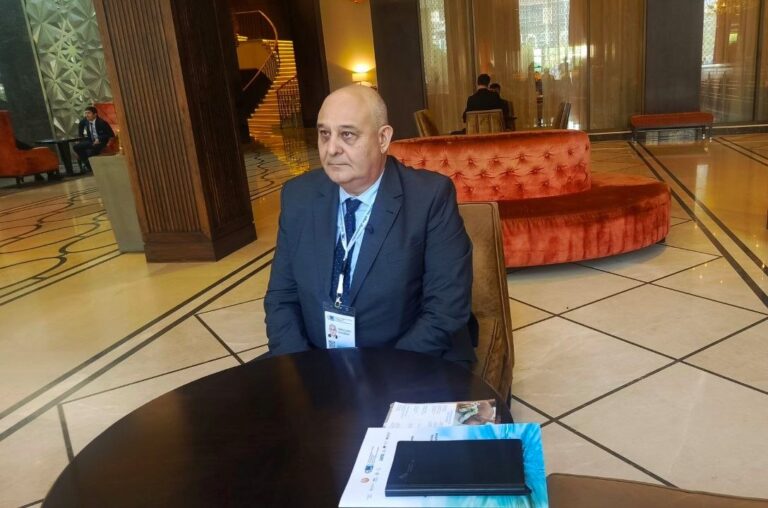
“This campaign combined traditional practices with modern technological advancements, making the entire process fully digital through the E-Saylov information system. This system enhanced transparency in the election process. In addition, banners with candidate photos—both parliamentary and local council candidates—were displayed across the country,” political analyst Beruniy Alimov told Nezavisimaya Gazeta in an interview. Alimov highlighted that such practices are typical for major democratic countries, such as the United States, the European Union, Japan, and others.
875 candidates were reportedly in the running for 150 seats in the Oliy Majlis.
Another novelty, according to the analyst, was the first-ever televised debates among leaders of the political parties involved, along with increased media influence. Party leaders presented their programs and discussed their agendas live over the course of a month, giving voters a clearer basis to assess the quality of parties and their leaders objectively. Alimov emphasized that the media played a more significant role in these elections, offering voters a higher-quality information base to make informed choices.
The Oliy Majlis is the parliament of Uzbekistan. It succeeded the Supreme Council of the Republic of Uzbekistan in 1995, and was unicameral until a reform implemented in January 2005 created a second chamber.
The legislative chamber has 150 deputies elected from territorial constituencies. The Senate has 100 members, 84 elected from the regions, from the Autonomous Republic of Karakalpakstan and from the country’s capital, Tashkent, and an additional 16 nominated by the President of Uzbekistan.
Both houses have five-year terms.