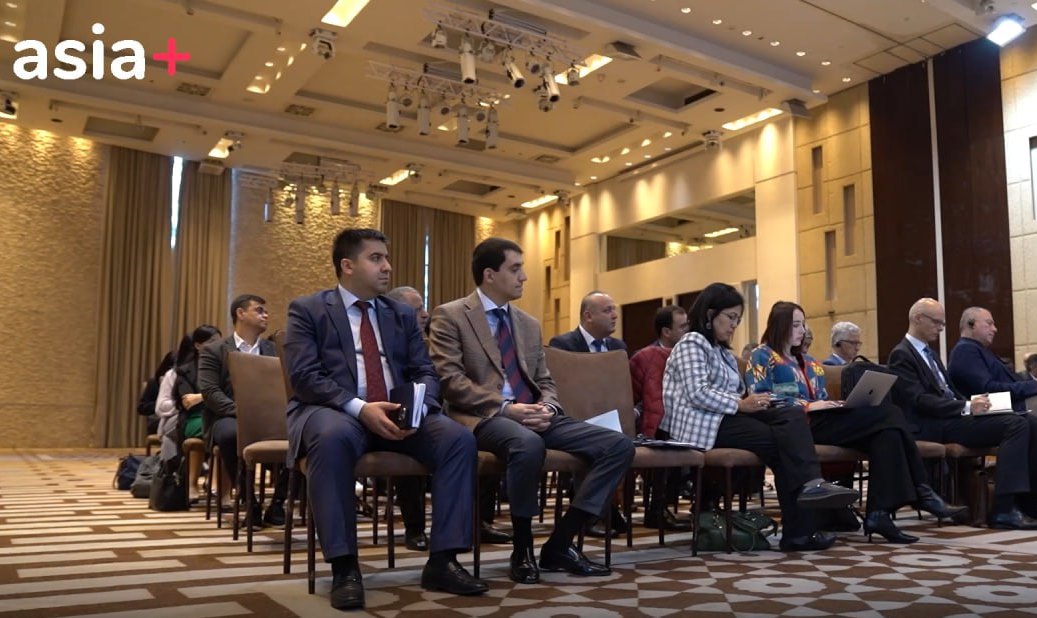
The World Bank has presented Tajikistan Country and Climate Development Report (CCDR) in Dushanbe.
The report, in particular, notes that more frequent and severe droughts, floods, landslides, heat, and air pollution are just some of the impacts Tajikistan faces from climate change. These disasters reportedly underscore the need for urgent action to protect the country's people and economy from climate shocks. According to the Tajikistan CCDR, the cost of inaction would be high: 1) climate change-related damages to infrastructure, livestock productivity, and agriculture could reduce real GDP by 5-6% by 2050; 2) the annual average costs of land degradation in Tajikistan are estimated at nearly US$325 million, which is only expected to double by 2050; 3) air pollution already accounts for 84 deaths per 100,000 residents—the second highest in Central Asia—that would only worsen without investment and policy reform; and 4) climate impacts could push an additional 100,000 people into poverty, with women, children, and persons with disabilities most at risk.
Climate action reportedly offers Tajikistan an opportunity to transform its economy and create jobs while protecting its people from the growing risks of extreme weather events induced and exacerbated by climate change. While the Government of Tajikistan has outlined an ambitious plan to green the country's economy, the World Bank Group’s CCDR finds that it can go further to ensure a resilient development path.
The report emphasizes that the green and resilient transformation will require reforms to open markets and mobilize private investment and hinges on implementing a broad suite of structural reforms to lay the foundation for low-carbon development. Tajikistan should focus on opening up its economy to better attract private investment and improve public service delivery, including through better governance in state-owned enterprises, the report says, adding that in addition, strengthening the education, healthcare, and social protection systems is vital for human capital development and equipping the workforce with the needed skills.
The Tajikistan Country Climate and Development Report (CCDR) provides an analysis and recommendations on the country’s ambitions to green its economy and ensure a resilient development path. The costs of inaction would be high, threatening lives and the country’s economic growth prospects.