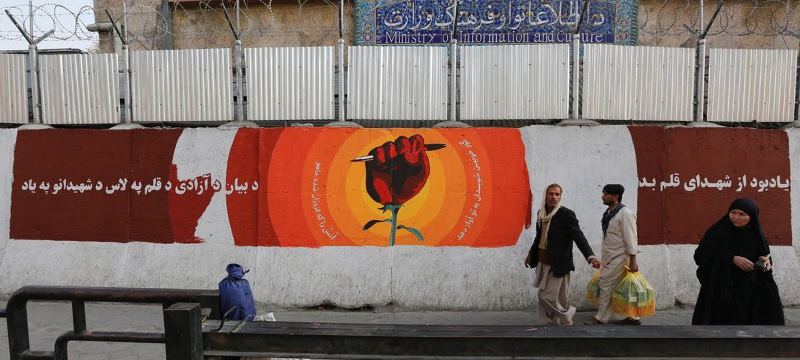
The joint report by the UN Assistance Mission in Afghanistan (UNAMA) and the UN Human Rights Office, OHCHR, documented 336 cases of human rights violations against media professionals between August 2021 and September 2024.
The report titled Media Freedom in Afghanistan outlined 256 instances of arbitrary arrest and detention, combined with 130 cases of torture and ill-treatment. An additional 75 documented cases of threats and intimidation have created a climate of fear.
Journalists and media workers in Afghanistan reportedly work under unclear rules on what they can and cannot report, running the risk of intimidation and arbitrary detention for perceived criticism.
UN High Commissioner for Human Rights Volker Türk emphasized the broader implications of these restrictions.
"Journalists and media workers are not just observers – they are essential to ensuring transparency and accountability, fostering informed debate,” he said, adding that they are crucial in “helping communities access vital information about humanitarian and protection issues that directly affect their lives”.
The report findings reveal that female media professionals face severe restrictions. Those who continue to work face discriminatory regulations affecting everything from dress codes to which stories they can cover.
During the daily media briefing at UN Headquarters, Deputy Spokesperson Farhan Haq highlighted this gender dimension: “Women journalists and media workers face particular discriminatory measures that limit their ability to do their work”.
The report also warns of the broader consequences of diminishing international support for Afghanistan’s media sector.
Looking forward, the UN is calling on the de facto authorities to honor Afghanistan’s obligations under the International Covenant on Civil and Political Rights, which guarantees freedom of expression without discrimination.
The report emphasizes that free press is essential not just for transparency and accountability but for the country’s social and economic development.