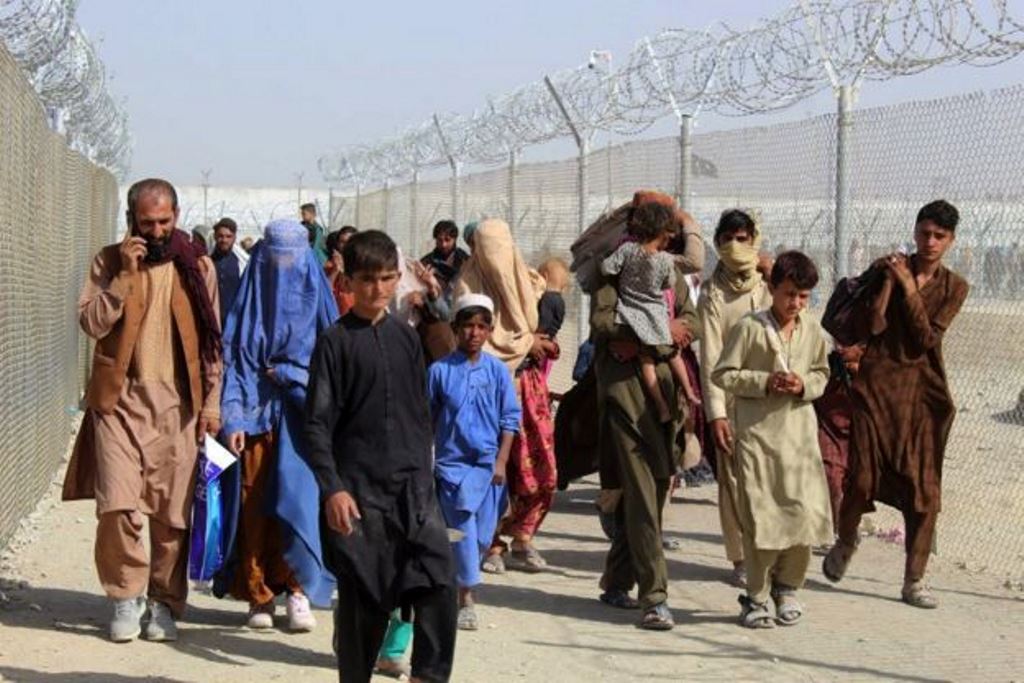
UNHCR, the UN Refugee Agency, has called on Tajikistan to halt forcible return of Afghan refugees and uphold international protection standards and commitments.
In statement released on December 7, UNHCR expresses grave concern over the recent forcible return of Afghan refugees from Tajikistan, urging authorities to immediately halt such actions and uphold their international obligations to protect those fleeing persecution.
“Between December 3 and 5, Tajik authorities deported – without due process – at least 41 Afghan citizens, including at least 37 refugees,” reads the statement.
The statement notes that the deportation of refugees to any country where they may face serious harm constitutes a violation of the principle of non-refoulement. This principle is enshrined in Article 33 of the 1951 UN Refugee Convention – to which Tajikistan is a signatory.
“This is the third documented incident of forcible returns to Afghanistan since October 2024, bringing the total number to over 40, raising alarm over the lack of adherence to international refugee and human rights law.
“Under both international and national law, Tajikistan has an obligation not to refoul refugees and those seeking international protection. In view of the grave security, human rights and humanitarian situation in Afghanistan, the UNHCR Guidance Note on the International Protection Needs of People Fleeing Afghanistan, issued in August 2021 and renewed in February 2022, explicitly calls on States to halt forced returns of Afghan nationals, and to ensure respect for the principle of non-refoulement at all times.
“UNHCR remains deeply concerned about the safety of those forcibly returned to Afghanistan, who are predominantly men and often the primary income earners for their families. Family separation further compounds the vulnerability of women and children that have been left behind in Tajikistan.
“UNHCR reiterates calls on Tajikistan to ensure that no person is expelled or returned against their will to countries where their life or freedom may be threatened on account of their race, religion, nationality, membership in a particular social group or political opinion.”