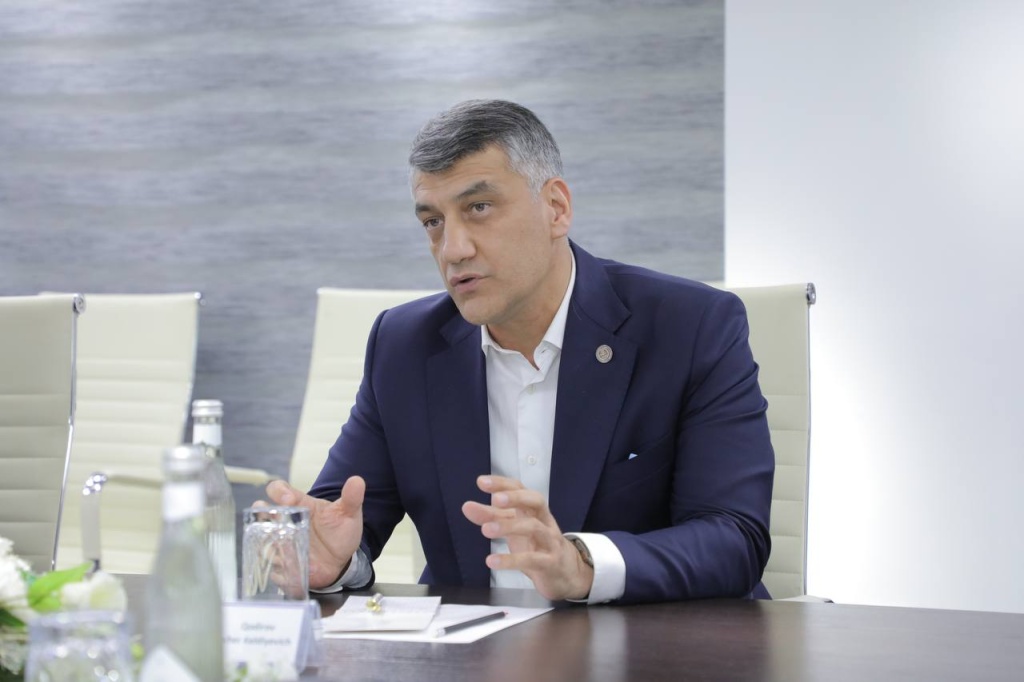
In Uzbekistan, the leader of the Milliy Tiklanish party, Alisher Qodirov, has called on Central Asian countries to support Russian politicians' proposals to tighten entry and residency rules for foreigners in Russia. He also advocated for establishing a visa regime with the Russian Federation, Podrobno.uz reports.
On his Telegram channel, the Uzbek politician commented on anti-migrant statements from Russian politicians, particularly Sergei Mironov, leader of the "A Just Russia" party, who recently proposed introducing visas for Uzbek citizens. This statement was a reaction to Uzbekistan’s Consulate General in Kazan urging compatriots to refuse service in the Russian army.
According to Qodirov, Central Asian countries should back Russian politicians’ initiatives. He believes that stricter control would be beneficial.
“We recognize that our compatriots traveling abroad for work should know the local language, culture, laws, and the specifics of their jobs. By supporting the introduction of visas with Russia, we will help our citizens who are unable to defend their rights, agree to discrimination from local xenophobes, and, most importantly, irresponsibly sell their lives, creating serious social, political, and economic burdens on Uzbekistan,” Qodirov wrote.
The politician argues that introducing a mutual visa regime is crucial amid the "expected instability in Russia," which he believes could lead to a significant influx of relocators to Uzbekistan. He also emphasized that everyone living in Uzbekistan must know and respect the Uzbek language, culture, and local values.
Alisher Qodirov (born March 12, 1975) is a nationalist Uzbek politician serving as a member of the Legislative Chamber (Uzbekistan’s lower chamber of parliament) since 2015 and is the current leader of the right-wing Uzbekistan Milliy Tiklanish party (National Revival Democratic Party) since May 22, 2019. He is known to have taken strong stances and made rhetoric statements against the Russian language, and the legacy of the Soviet Union and Communism within Uzbekistan in politics.