Russia’s Voronezh oblast expands job restrictions for migrants

Governor of the Voronezh Oblast of the Russian Federation, Alexander Gusev, has extended and expanded restrictions on employing migrants in several sectors, Vesti-Voronezh reported on January 5. Under the new rules, migrants are now prohibited from working as couriers, in education and healthcare, in retail, or providing care for the sick.  They are also barred […]

Governor of the Voronezh Oblast of the Russian Federation, Alexander Gusev, has extended and expanded restrictions on employing migrants in several sectors, Vesti-Voronezh reported on January 5.

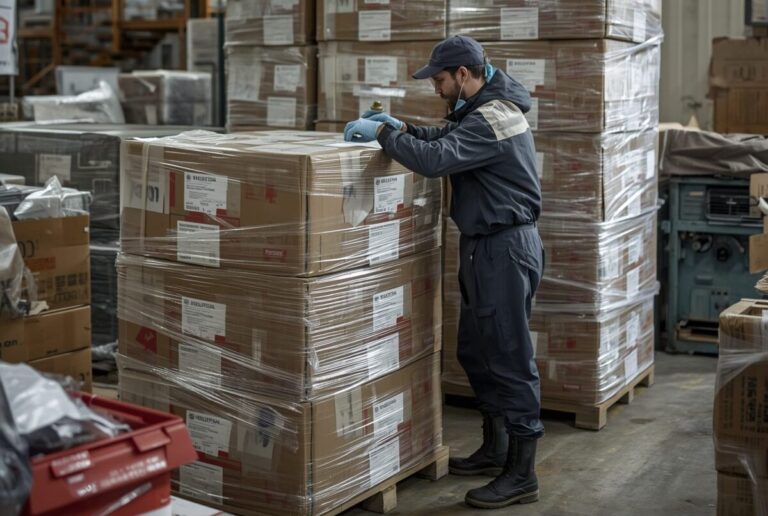
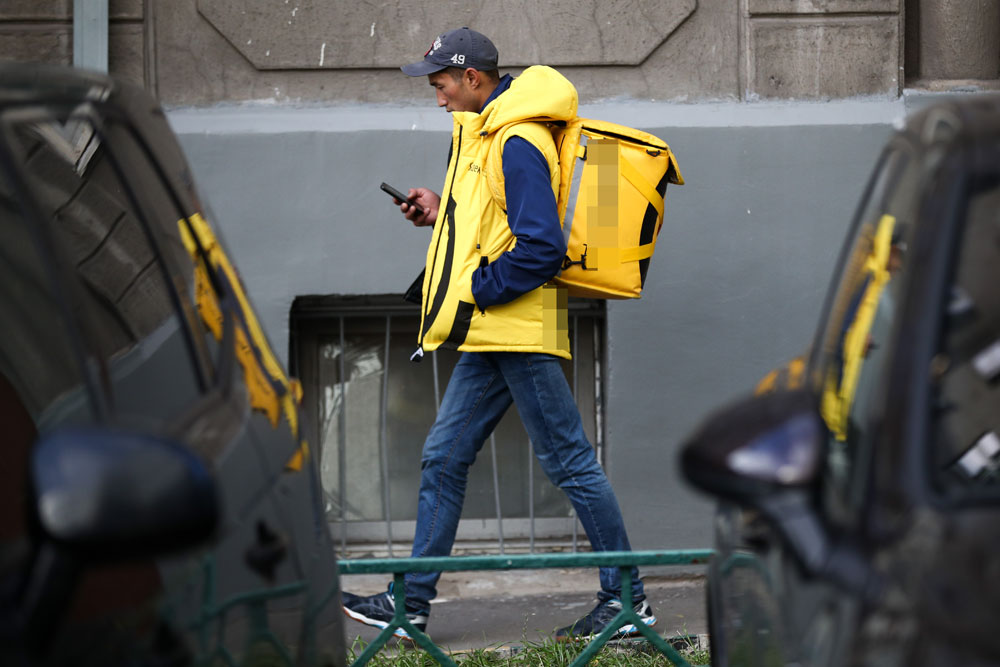
Under the new rules, migrants are now prohibited from working as couriers, in education and healthcare, in retail, or providing care for the sick.  They are also barred from working in utilities sectors, such as water supply systems.  Exceptions are made only for auxiliary workers such as loaders, cleaners, and janitors.

Migrants already employed in prohibited positions will be dismissed or transferred to jobs compliant with the governor's decree.

In the summer of 2024, the Voronezh oblast already banned migrants from working in transportation, including as taxi and public transport drivers.  Later, restrictions were extended to retail and social services.

Similar restrictions have been introduced in dozens of other Russian regions. For instance, the Krasnodar Krai implemented a complete ban on employing foreign workers.

Since the terror attack on Krasnogorsk’s Crocus City Hall in March last year, the Kremlin has taken active steps to complicate the lives of migrant workers in Russia, further tightening legislation in what was already a hostile environment for outsiders. 

The issue of tightening entry rules to Russia resurfaced after General Lieutenant-General Igor Kirillov, who headed Russia’s radiological, biological and chemical protections forces, and his aide Ilya Polikarpov were killed in Moscow on December 17 by an explosive device planted in an electric scooter.  The suspect is a 29-year-old citizen of Uzbekistan, Ahmad Kurbanov.

According to some sources, at least 1 million Tajik migrants work in Russia, many of them engaged in physically demanding jobs in factories, construction sites, and the agriculture sector.

 

Join us on social media!

Article translations:

Related Article

Tenisi
Оби зулол
Оби зулол

Most Read

Коммерсбонк Точикистон

Recent Articles

RZD announces the restoration of passenger services between Moscow and Dushanbe

Direct rail services between the capitals of Russia and Tajikistan were suspended in March 2020 due to the COVID-19 pandemic.

#AP30/Stories. “Selam! Heller nichek?” How Tatars live today in Sughd province

On the 30th anniversary of "Asia-Plus," we continue to publish reports that remain relevant even after years. This story was told in 2021, and since then, little has changed in the life of the Tatar community in Tajikistan.

15,000 cameras, drones, and robots: how technology monitors pilgrims in Mecca and Medina

During Hajj 2026, Mecca and Medina were under unprecedented digital control.

Another child in Dushanbe removed from family and sent to boarding school

The Ministry of Internal Affairs reports that the parents did not pay adequate attention to the child.

Emomali Rahmon instructs to address issues in seed production following criticism of the industry

Issues have been noted with certification, seed quality, and the material and technical base of the industry.

Water, climate, and a $130 billion deficit: seven key outcomes of the Water Conference in Dushanbe

At the forum, countries and international organizations discussed new mechanisms for cooperation, investments, and technologies that are essential for addressing the global water crisis.

Eskhata Bank introduces a new generation children’s wallet

"Eshkata Bank" has created a full-fledged digital platform that helps children aged 7 to 16 learn how to manage money.