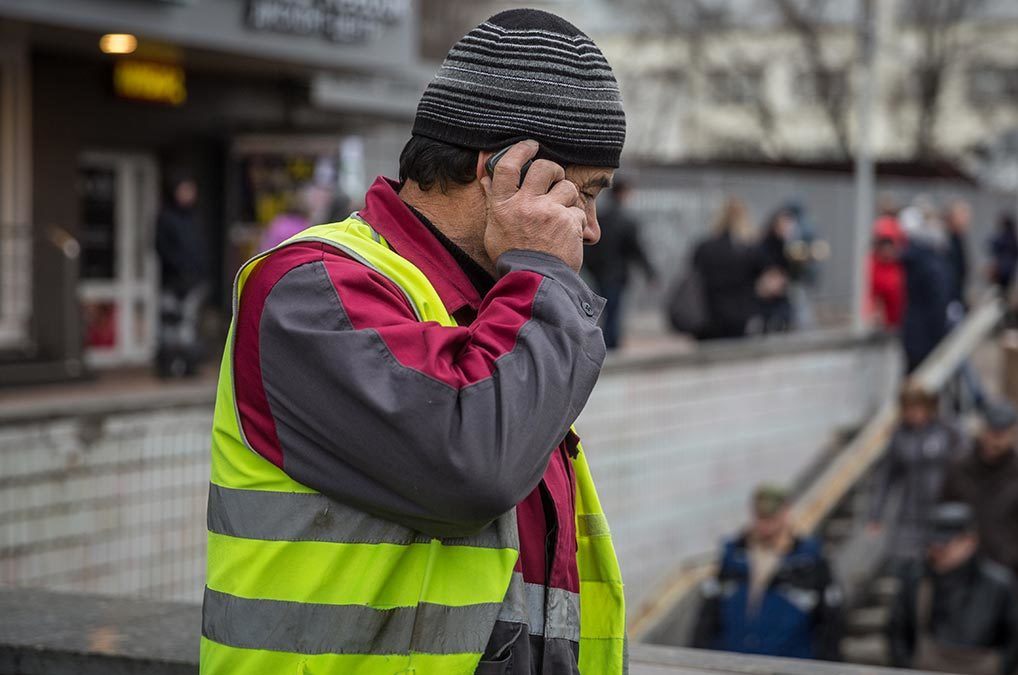
In 2024, bans and restrictions on migrant employment were introduced in 47 regions of the Russian Federation, according to calculations by Vyorstka.
The Krasnodar region has the highest number of job types inaccessible to foreigners—99 in total.
The Tver region ranks second with 82 types, while the Voronezh region has the fewest restrictions—10.
The most significant restrictions on migrant work were introduced in the taxi and public transportation sectors, affecting 47 regions. The trade sector is restricted in 39 regions, housing and utilities in 14, and courier services in 12.
In 19 regions, bans were introduced in the medical sector, including hospitals, pharmacies, and pharmaceutical production. Restrictions were applied to education in 27 regions and the defense industry in seven regions. In the construction sector, bans were introduced in only two regions: Krasnodar and the Yamalo-Nenets Autonomous Okrug (YNAO).
Exceptions to the employment bans in specific sectors are often outlined by the regions, primarily for auxiliary workers and cleaners. Occasionally, these exceptions are so broad that the restrictions lose their significance.
About 40 regions, including major economic hubs such as Moscow, St. Petersburg, Tatarstan, Bashkortostan, and the Sverdlovsk region, did not impose any restrictions on employment.
Indians instead of Tajiks?
Following the terrorist attack at Crocus City Hall, Russian authorities initiated an anti-migrant campaign. State Duma (Russia’s lower chamber of parliament) members proposed new legislative measures, officials criticized migrants, and regional governments began introducing restrictions on foreign employment. In practice, these measures primarily target workers from Uzbekistan and Tajikistan. However, for most regions, the restrictions are superficial—affecting sectors like culture rather than areas heavily populated by migrants, such as construction.
The restrictions are often advocated by security officials, but economically significant regions resist this pressure. After the war began, some measures—such as unscheduled enterprise inspections—turned into raids aimed at recruiting migrants into the army. In 2023, only 10 regions introduced regional bans on foreign employment. A significant wave of restrictions followed the Crocus City attack.
These restrictions are implemented through regional government decrees. In the media, social networks, and official statements, they are often described as bans on migrant employment in taxis and other sectors. Many commenters support the government’s decision, but in regions where the bans were previously enacted, residents note that the number of migrants has not significantly decreased.
The reason lies in the fact that regions only ban the hiring of foreigners who possess a work patent in Russia. These patents are issued to workers from visa-free countries—primarily Uzbekistan and Tajikistan, the origins of the accused in the Crocus attack.
Citizens of the Eurasian Economic Union (EAEU), which includes Russia, Kyrgyzstan, Kazakhstan, Armenia, and Belarus, are not required to obtain patents. Additionally, foreign workers with work visas, such as citizens of India, Pakistan, and Vietnam, are not affected by these bans. Conversely, in four annexed regions of Ukraine, various concessions are in place for foreign workers.