In January 2025, the bilateral trade between Uzbekistan and Tajikistan significantly decreased.
Uzbekistan’s National Committee for Statistics says a total trade volume between the two countries reached only US$35.2 million, representing 7.12% decline compared to January 2024 and a 9.28% decrease compared to January 2023.
A key factor behind this decline is the reduction in both imports and exports:
- Tajikistan’s exports to Uzbekistan declined from US$5.3 million in 2023 to US$5 million in 2025
- Tajikistan’s imports from Uzbekistan dropped to US$30.2 million (10-percent decrease compared to January 2023).
.
Why is Tajikistan exporting less to Uzbekistan?
One of the main reasons for the drop in trade is the decline in Tajikistan’s exports, particularly mineral products such as cement, electricity, ores, and concentrates. This is largely due to Uzbekistan’s growing domestic production capabilities, which reduced its dependence on imports from Tajikistan.
For instance, the launch of new cement production plants in Uzbekistan led to a sharp decrease in cement imports from Tajikistan:
- In 2024, Tajikistan exported 260,200 tons of cement to Uzbekistan.
- In 2023, this figure was 342,000 tons.
Strategic plans to boost trade
Despite the current decline, both countries have expressed commitment to increasing trade turnover. During a meeting between Presidents Shavkat Mirziyoyev and Emomali Rahmon in April 2024, they reaffirmed their goal of reaching US$2 billion in annual trade in the coming years.
Key strategies to stimulate trade growth include: expanding the range of exchanged goods; developing new cross-border trade zones; and joint investment projects in machinery, energy, agriculture, textiles and pharmaceuticals.
Growth in joint investments
Since 2017, the number of joint enterprises between Uzbekistan and Tajikistan has surged 22-fold, from 17 to 370 companies.
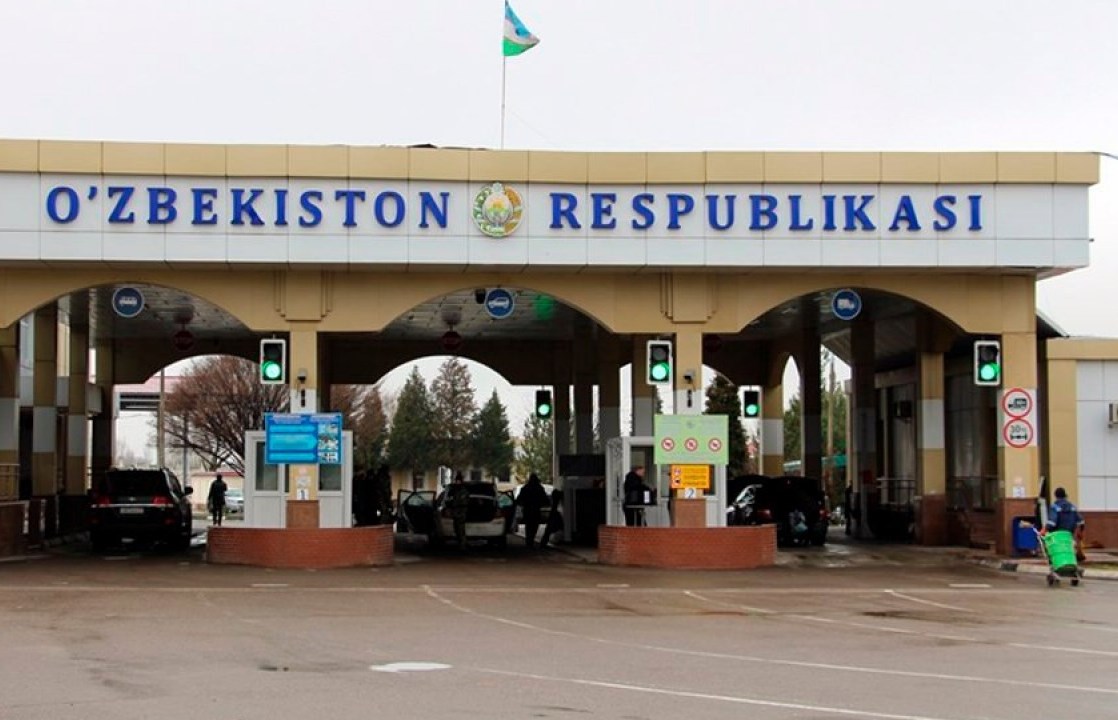
Notable ongoing projects include: a new cross-border trade zone at the Oybek – Fotehobod border crossing point; Andarkhan trade and logistics center; and two hydroelectric power plants on the Zarafshan River in Tajikistan
These initiatives aim to diversify trade, strengthen economic ties, and create new business opportunities for both countries.