FSIN: 70% of foreigners serving their terms in Russian penal colonies are citizens of Central Asian nations

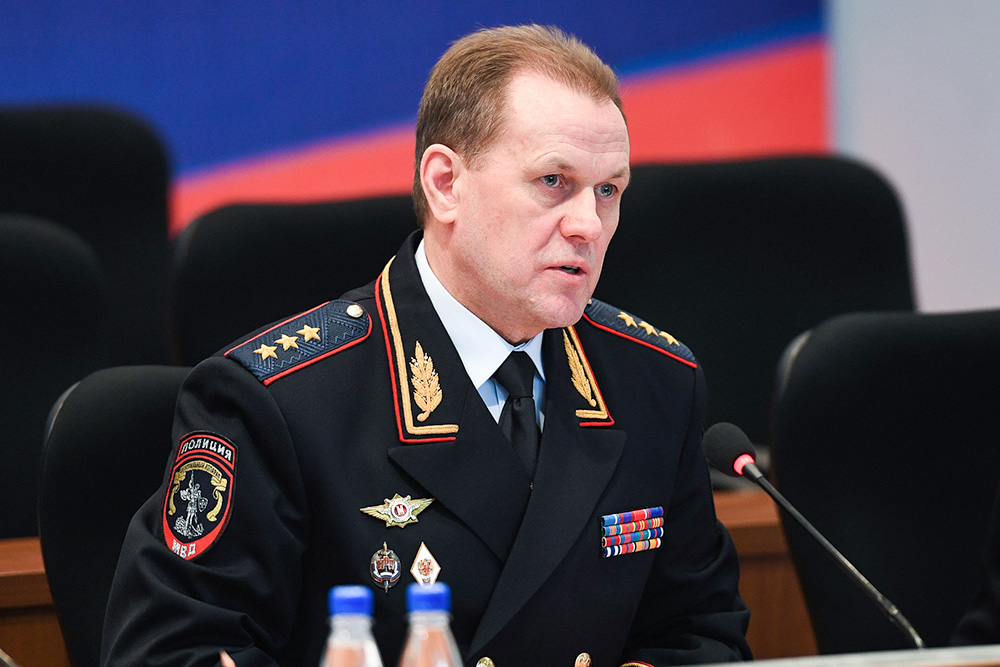
Kommersant reports that according to Arkady Gostev, head of the Federal Penitentiary Service of Russia (FSIN), the concentration of foreigners in Russian correctional facilities has increased. As of January 1, 2025, more than 30,000 foreigners were incarcerated in Russian correctional institutions, with 69.5% of them being citizens of Central Asia’ countries. “The presented data collectively […]

Kommersant reports that according to Arkady Gostev, head of the Federal Penitentiary Service of Russia (FSIN), the concentration of foreigners in Russian correctional facilities has increased.

As of January 1, 2025, more than 30,000 foreigners were incarcerated in Russian correctional institutions, with 69.5% of them being citizens of Central Asia’ countries.

“The presented data collectively indicate an increased risk of operational complications in the institutions, which in some cases have escalated into emergencies such as escapes and hostage-taking,” Gostev stated during an FSIN board meeting.

He noted that FSIN has already taken necessary measures in this regard and is focusing on the threats posed by crimes committed by the "special contingent."

TASS reports that according to Gostev, the number of prisoners incarcerated for extremism-related offenses in Russia has doubled.

"The decline in the total number of inmates has been accompanied by a change in their criminogenic composition.  The share of those serving sentences for serious and particularly serious crimes has risen to 88%," the FSIN chief stated.

He further noted a 45.5% increase in the number of individuals suspected, accused, and convicted of terrorism-related crimes, a more than 96% increase in extremism-related offenses, and a 96% rise in crimes against the constitutional order and national security.

In June 2024, six inmates at Detention Center No. 1 in Rostov-on-Don took two FSIN officers hostage.  One of the captors referred to them as “mujahideen of the Islamic State.”  During the storming operation, four of the perpetrators were killed, while the two survivors were sentenced in July-August to 20 and 23 years in a penal colony.  The hostages were unharmed.

At the end of last year, the Interior Ministry reported that from January to November 2024, foreign migrants and stateless persons committed 2.1% fewer crimes compared to the same period in 2023.  The number of serious and particularly serious crimes decreased by 3.9%, incidents of intentional grievous bodily harm dropped by 11.1%, and murders and attempted murders became 4.5% less frequent.
Join us on social media!

Article translations:

Related Article

Оби зулол
Tenisi
Оби зулол

Most Read

Коммерсбонк Точикистон

Recent Articles

RZD announces the restoration of passenger services between Moscow and Dushanbe

Direct rail services between the capitals of Russia and Tajikistan were suspended in March 2020 due to the COVID-19 pandemic.

#AP30/Stories. “Selam! Heller nichek?” How Tatars live today in Sughd province

On the 30th anniversary of "Asia-Plus," we continue to publish reports that remain relevant even after years. This story was told in 2021, and since then, little has changed in the life of the Tatar community in Tajikistan.

15,000 cameras, drones, and robots: how technology monitors pilgrims in Mecca and Medina

During Hajj 2026, Mecca and Medina were under unprecedented digital control.

Another child in Dushanbe removed from family and sent to boarding school

The Ministry of Internal Affairs reports that the parents did not pay adequate attention to the child.

Emomali Rahmon instructs to address issues in seed production following criticism of the industry

Issues have been noted with certification, seed quality, and the material and technical base of the industry.

Water, climate, and a $130 billion deficit: seven key outcomes of the Water Conference in Dushanbe

At the forum, countries and international organizations discussed new mechanisms for cooperation, investments, and technologies that are essential for addressing the global water crisis.

Eskhata Bank introduces a new generation children’s wallet

"Eshkata Bank" has created a full-fledged digital platform that helps children aged 7 to 16 learn how to manage money.