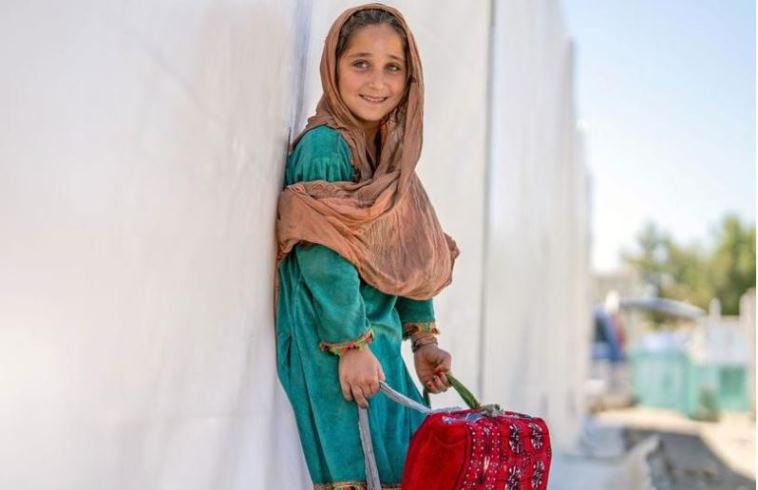
“As a new school year begins in Afghanistan, it marks three years since the start of the ban on girls' secondary education. This decision continues to harm the future of millions of Afghan girls. If this ban persists until 2030, over four million girls will have been deprived of their right to education beyond primary school,” says a statement released by UNICEF Executive Director Catherine Russell on March 22.
“The consequences for these girls – and for Afghanistan – are catastrophic.
“The ban negatively impacts the health system, the economy, and the future of the nation. With fewer girls receiving an education, girls face a higher risk of child marriage with negative repercussions on their well-being and health.
“In addition, the country will experience a shortage of qualified female health workers. This will endanger lives.
"With fewer female doctors and midwives, girls and women will not receive the medical treatment and support they need. We are estimating an additional 1,600 maternal deaths and over 3,500 infant deaths. These are not just numbers, they represent lives lost and families shattered.
“For over three years, the rights of girls in Afghanistan have been violated. All girls must be allowed to return to school now. If these capable, bright young girls continue to be denied an education, then the repercussions will last for generations. Afghanistan cannot leave half of its population behind.
“At UNICEF, we remain unwavering in our commitment to Afghan children – girls and boys. Despite the ban, we have provided access to education for 445,000 children through community-based learning—64 per cent of whom are girls. We are also empowering female teachers to ensure that girls have positive role models.
“We will continue to advocate for the right of every Afghan girl to receive an education, and we urge the de facto authorities to lift this ban immediately. Education is not just a fundamental right; it is the pathway to a healthier, more stable, and prosperous society,” the statement says.