The Food and Agriculture Organization of the United Nations (FAO) has released its third global report on the state of plant genetic resources for food and agriculture, in which Central Asia is identified as a key region both in terms of its wealth of agro- and biodiversity and the threats to its loss. The report covers data from 128 countries from 2012 to 2022.
According to FAO, Tajikistan and neighboring countries in the region are rapidly losing traditional agricultural crops and their wild relatives – key sources of genetic material for climate change adaptation. The reasons include climate change, habitat loss, the abandonment of traditional farming practices, migration, and the displacement of local varieties by commercial ones.
In Tajikistan, genetic erosion of cultivated plants has been recorded, along with a decline in the use of traditional varieties, weak infrastructure of the national gene bank, and a lack of coordination among responsible authorities. The problems are further exacerbated by a shortage of specialists in botanical taxonomy, weak monitoring systems, and the loss of traditional agricultural knowledge.
FAO calls for urgent measures – enhancing seed collection expeditions, developing local communities to preserve varieties, investing in gene banks, supporting farmers, and sharing knowledge within regional cooperation frameworks.
Particular attention is given to the preservation of wild relatives of crops, the creation of "Red Lists" of endangered varieties, and the training of a new generation of agricultural professionals.
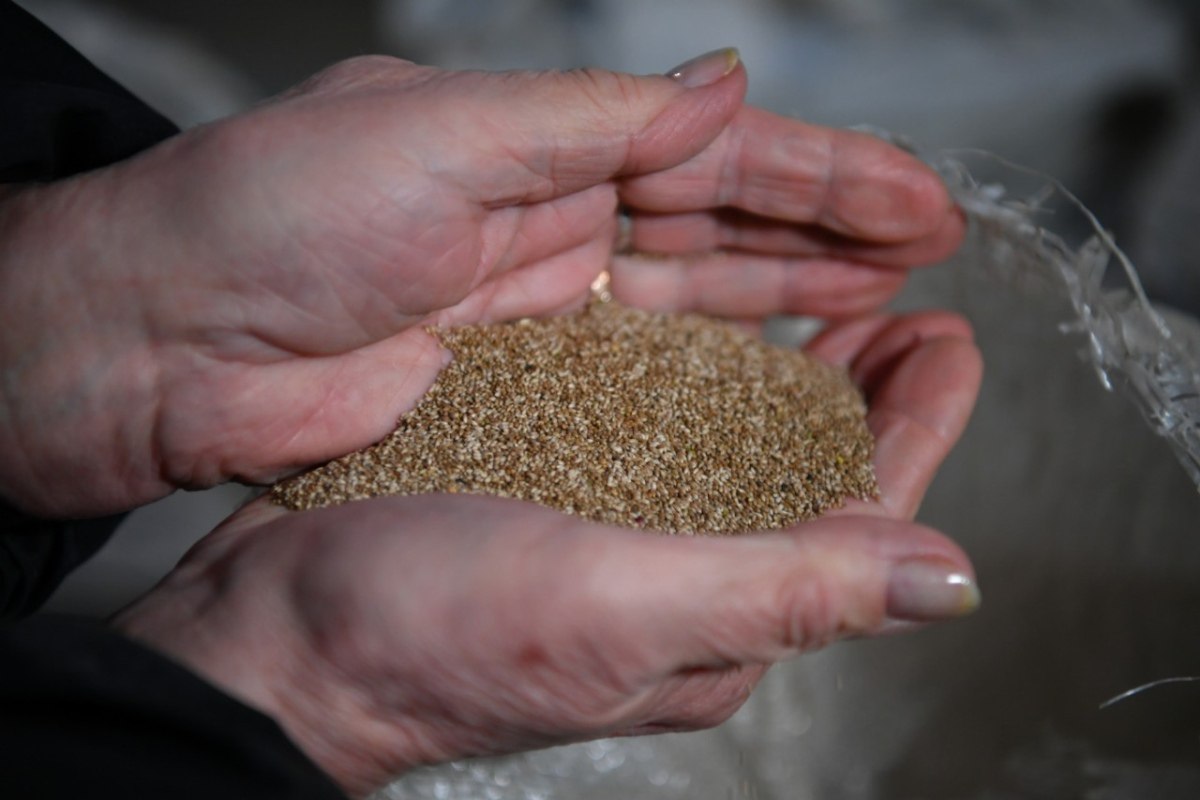
The report acknowledges the efforts of Tajikistan, Kyrgyzstan, and Uzbekistan to preserve local species – from wheat and barley to fruits and nuts. However, it recognizes that the coverage is still insufficient. The use of an ecosystem approach, active resource management at the local level, and modernization of gene banks are considered necessary for a sustainable future.
The report also highlights issues related to recovery after disasters: droughts and floods severely impact crops in the region, but local seed systems are not yet ready to provide the necessary support. Furthermore, the lack of quality planting material hinders the recovery of agricultural production.
FAO emphasizes that if immediate actions are not taken, Central Asia may irreversibly lose its unique genetic resources – the foundation for future agriculture and food security. In the context of global warming and population growth, these resources are becoming crucial for adaptation and sustainable development.