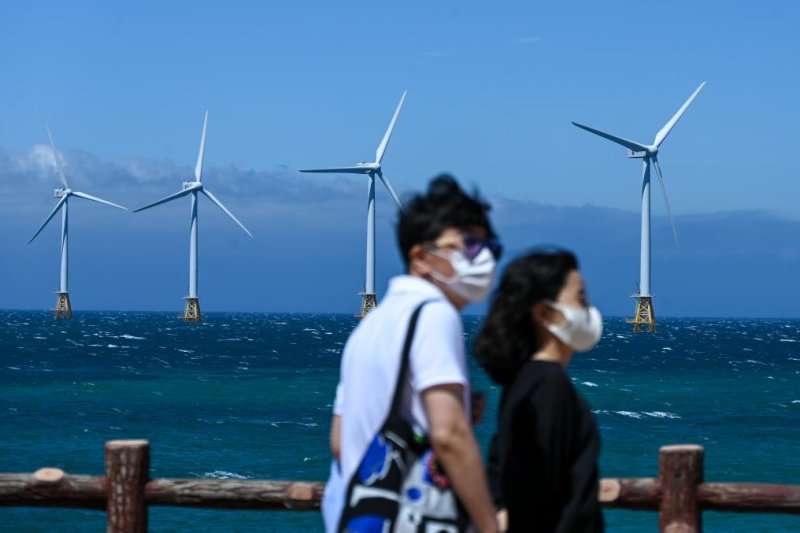
Jeju Island is one of the most popular tourist destinations in South Korea. It is known for its picturesque landscapes, volcanic scenery, pristine beaches, and, of course, its famous mandarin plantations, which have become the island's trademark. Every year, millions of tourists visit for the natural beauty and tranquility it offers.
However, behind the facade of resort life, Jeju is much more than just a tourist spot. The island has become an experimental platform for introducing future technologies, from wind power plants to hydrogen energy.
What exactly has been implemented on this island, and what aspects of this experience could be applied in Tajikistan?

Hydrogen energy
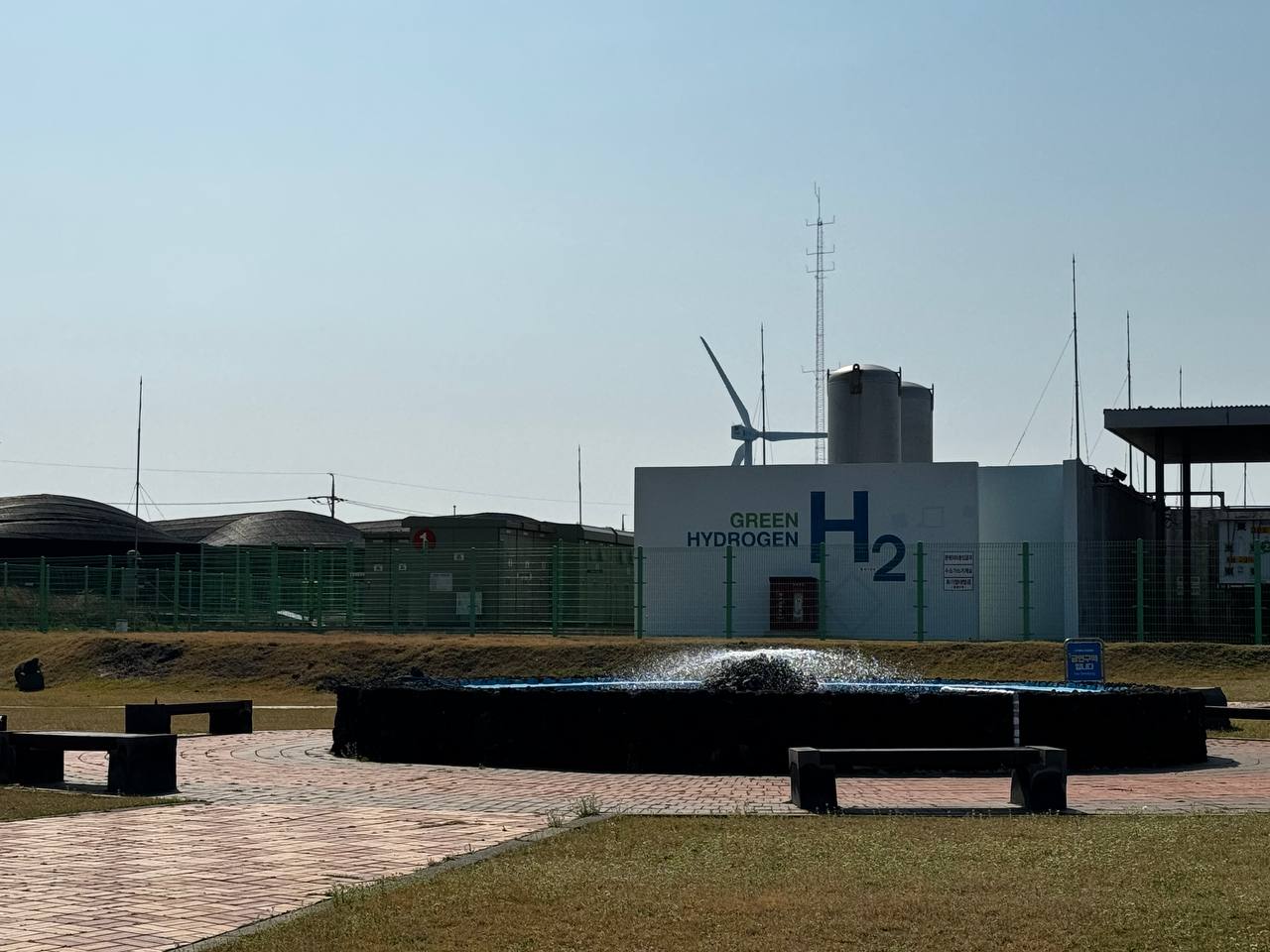
Jeju is actively developing green hydrogen, which is hydrogen produced from water through electrolysis. The island has installed electrolyzeкs (electrolysis apparatus) that are powered by energy from wind turbines and solar farms. This allows hydrogen to be produced without CO₂ emissions.
An experimental hydrogen village has been built on the island, where some homes are heated and supplied with electricity using hydrogen fuel cells.
The island hosts green hydrogen production plants and hydrogen refueling stations. These stations provide fuel for environmentally-friendly hydrogen buses and other transport.
Since 2021, hydrogen buses have been operating on Jeju, providing public transport in major island cities. This not only reduces CO₂ emissions but also decreases noise and air pollution.
How feasible is this in Tajikistan?
The intention to develop hydrogen energy is evident in all Central Asian countries. For instance, USAID launched a regional energy project, "Energy of Central Asia," with a total budget of $39 million. As part of this project, a "green" hydrogen center was launched in Uzbekistan this year.
Will the reorganization of USAID impact the hydrogen ambitions of Central Asian countries? The reorganization of USAID is unlikely to impact Central Asian nations’ hydrogen ambitions. For example, Kazakhstan has approved a Hydrogen Energy Development Concept through 2030, according to which the hydrogen sector will receive investments totaling 1 billion tenge by 2030.
According to Carnegie Politika, Astana has signed a strategic partnership agreement with Brussels on green hydrogen and critical raw materials, and Germany has opened a Hydrogen Diplomacy Office in Kazakhstan.
What about Tajikistan? Tajikistan plans to produce 1 million tons of "green" hydrogen annually — both for domestic needs and for export to Central Asian countries. This was reported by the Minister of Energy and Water Resources of Tajikistan, Daler Juma.
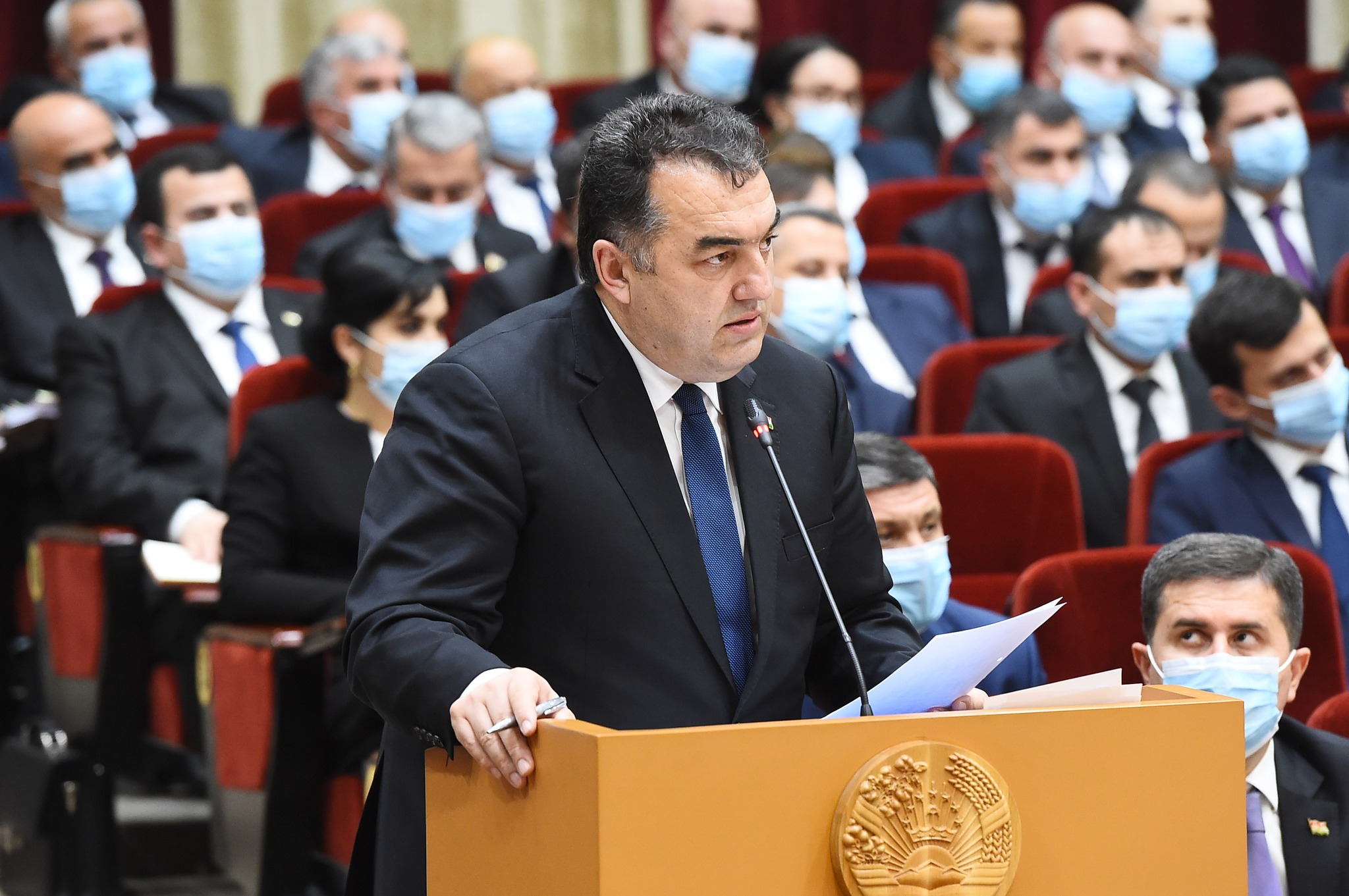
According to the International Energy Agency, Tajikistan’s hydro potential is currently exploited by only about 4%. The Minister announced plans to produce 500,000 tons of green hydrogen by 2030 and to double this figure by 2040, thanks to "affordable competitive electricity." He added that 75% of this volume will potentially be directed towards export to Central Asian countries.
“We are fully dependent on the import of petroleum products and are developing a roadmap for green hydrogen production,” he stated.
In March of this year, Daler Juma also announced plans to attract Saudi Arabia’s ACWA Power for the construction of power plants in the country. ACWA Power is the world’s largest private desalination company, a pioneer in green hydrogen, and a leader in the transition to green energy.
What сan Tajikistan learn from South Korea?
Just as Jeju became an experimental zone in South Korea, Tajikistan could create one or more regions (e.g., GBAO or Rasht) where models of sustainable energy working with RE and green hydrogen can be tested.
The wind in Tajikistan's highlands and plateaus is an underrated resource. Using South Korean technologies and experience could help set up wind power plants in the country.
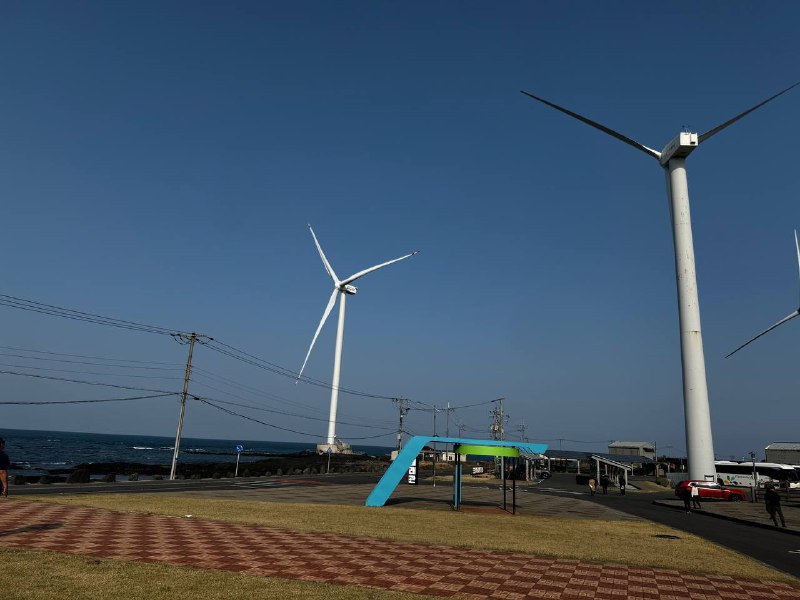
Based on the experience of Jeju Green Hydrogen Plant, Tajikistan could start with a pilot plant to produce green hydrogen, for example, in Khatlon or Sogd province, which receives abundant sunlight.
Introducing hydrogen or electric public transport in Dushanbe and Khujand could be a landmark step toward eco-friendly cities.
South Korea actively involved companies in the process of transitioning to a "green" economy. A similar approach could be applied in Tajikistan through Public-Private Partnerships and international grants from funds such as the Green Climate Fund, UNDP, GEF, etc.
The experience of Jeju Island is an example of how even a small region can become an innovation center for the green economy if there is political will, public support, and a long-term vision. Tajikistan, with its natural potential and increasingly sustainable energy policies, has all the chances to follow this path — provided there is active implementation of new technologies, development of pilot projects, and international cooperation.