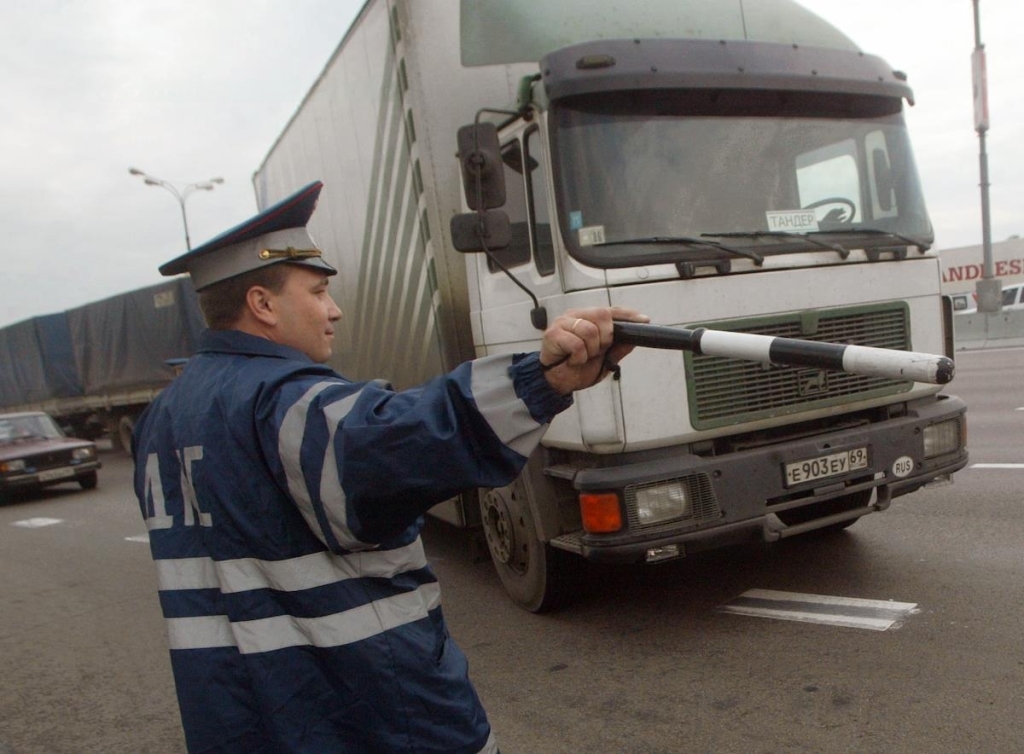
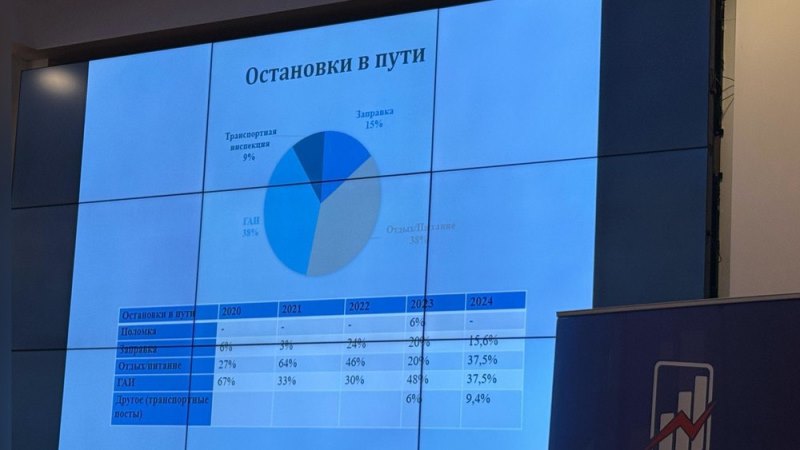
Traffic stops by the traffic police account for 38% of all delays for carriers in Central Asia, with the highest number of such stops occurring in Kazakhstan, Ms. Larisa Kislyakova, the Chairperson of the Partnership for Transport and Transit in Central Asia, stated at the 13th Regional Meeting of National Committees on Trade Facilitation, which took place in Kyrgyzstan’s capital, Bishkek, on April 24-25.
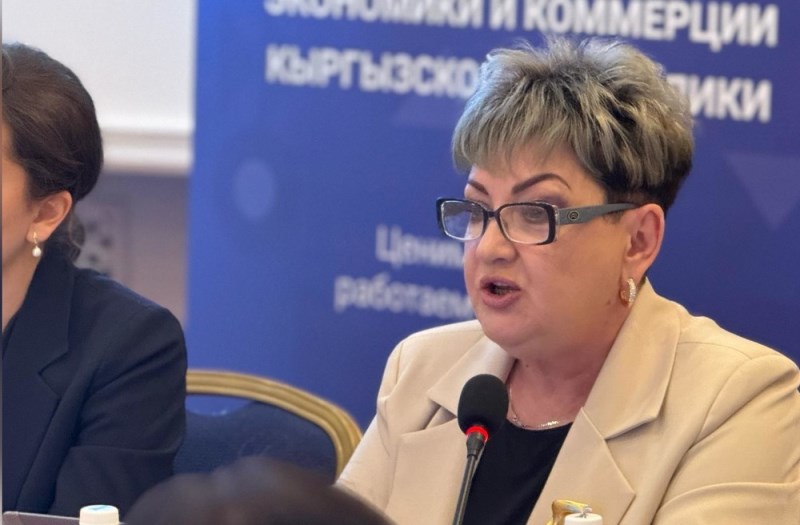
Representatives from the public and private sectors of Kyrgyzstan, Kazakhstan, Tajikistan, Turkmenistan, and Uzbekistan, as well as international organizations and development partners, participated in the event.
The main topics of discussion included the assessment of achieved results, current measures to simplify trade procedures, the involvement of the private sector in implementing reforms, and the use of international indices, such as Business Ready and the Logistics Performance Index (LPI).
An important aspect of the meeting was the development of paperless trade and the introduction of digital solutions, including the use of advanced technologies like artificial intelligence.
Delays at border crossing points and coordination Issues
Kislyakova noted that one of the major obstacles to trade facilitation is the insufficient coordination between customs and border services, particularly in countries such as Uzbekistan, Tajikistan, and Turkmenistan, which are not part of the Eurasian Economic Union (EAEU).
This reportedly creates difficulties in negotiations with Kazakhstan, which aligns its positions with the union.
One of the factors contributing to delays is the lack of roadside infrastructure, leading to traffic congestion. According to her data, traffic stops requested by the traffic police account for 38% of all delays, and such stops are most frequent in Kazakhstan, where vehicles can be stopped up to 20 times. Each inspection can take up to 30 minutes.
Informal fees and reform proposals
The expert also addressed the issue of informal fees at borders, especially at Kazakh border crossings, where 59% of all informal fees are related to export control. Kislyakova proposed abolishing transit permits, which, in her opinion, have lost their effectiveness due to trade imbalances between Central Asian countries.
Instead, she suggested creating a unified transit permit for all countries in the region, which would help Central Asia function as a single economic space.
Single window facility
Kislyakova also emphasized that at many border crossings in the region, the full implementation of the "single window" mechanism has not been realized, which would expedite the process by allowing drivers to submit documents without leaving their vehicles.
However, in Central Asia, control is carried out in stages, and documents often need to be resubmitted to different authorities. The problem is exacerbated by the lack of parking for waiting and additional lanes for entry, leading to traffic jams, especially when using the electronic queue system.
Digitalization and modernization
The meeting also discussed the need for digitalization and modernization of border infrastructure to reduce crossing time. Participants noted the positive results of efforts to simplify trade procedures, with reduced processing times at some border crossings.
The "Trade Facilitation in Central Asia" project, implemented by GIZ on behalf of the German Government, was recognized as a key element in improving trade procedures and infrastructure in the region.
Plans for further improving conditions for international trade were also presented at the meeting.