Tajikistan has increased its installed capacity of renewable energy sources (RES) by 15.8% over the past 10 years, according to the new annual statistical yearbook of the International Renewable Energy Agency (IRENA).
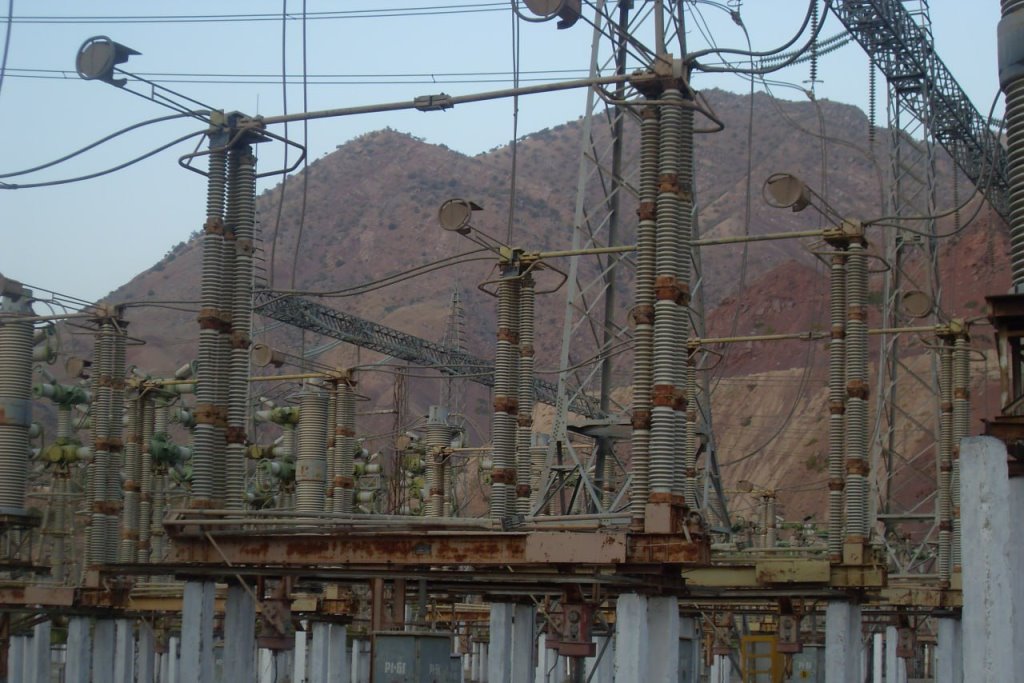
It is noted that the total capacity of RES in the country grew from 4957 megawatts (MW) in 2015 to 5738 MW in 2024, with almost all of this increase coming from hydropower plants (HPP).
The strongest growth in RES capacity among Central Asian countries occurred in Uzbekistan, with a 174.5% increase (from 1882 MW in 2015 to 5166 MW in 2024). This significant growth is attributed to the construction of new solar power plants (with a total capacity of 2275 MW), HPPs (511 MW), and wind farms (500 MW). The share of RES in the total energy capacity of the country reportedly increased from 14.2% to 24.4% during this period.
Kazakhstan also saw a substantial increase in installed RES capacity, rising by 93.1% (from 2807 MW in 2015 to 5419 MW in 2024). This growth was mainly achieved through the construction of new wind farms (with a capacity of 1336 MW), solar power plants (1139 MW), and HPPs (132 MW). The share of RES in the country's total energy capacity grew from 13.2% in 2015 to 22% in 2024.
Meanwhile, Kyrgyzstan's installed RES capacity decreased by 11.4% – from 3677 MW in 2015 to 3258 MW in 2024. IRENA's publication does not specify the reasons for this change.
The total RES capacity of Turkmenistan was only 1 MW in 2015 and 2 MW in 2024.
The International Renewable Energy Agency (IRENA) produces comprehensive statistics on various topics related to renewable energy. This publication presents renewable power generation capacity statistics for the past decade (2015-2024)
Renewable power generation capacity is measured as the maximum net generating capacity of power plants and other installations that use renewable energy sources to produce electricity. For most countries and technologies, the data reflects the capacity installed and connected at the end of the calendar year. Data has been obtained from various sources, including an IRENA questionnaire, official national statistics, industry association reports, other reports, and news articles.
Meanwhile, speaking at a government meeting in Dushanbe, Tajikistan’s President, Emomali Rahmon, noted on April 25 that over the years of independence, 36 state investment projects worth 89 billion somonis (equivalent to US$8.5 billion) were implemented to increase electricity generation capacity, strengthen energy infrastructure, and ensure the efficient and rational use of electricity.
He emphasized that during this period, over 2000 MW of new capacity was brought into operation, and the volume of electricity production increased from 17 billion kilowatt-hours in 1991 to 22.4 billion kilowatt-hours in 2024.
It should be noted that in 1991, the installed capacity of the country’s power plants was 4413 MW. Accordingly, the installed electricity capacity of the country has increased by 45.3% over the years of independence, and production has grown by just 31.7%.